
Active Mom Insights
Blog posts by Ashley Reid
When Can I Start to Exercise After Having a Baby?
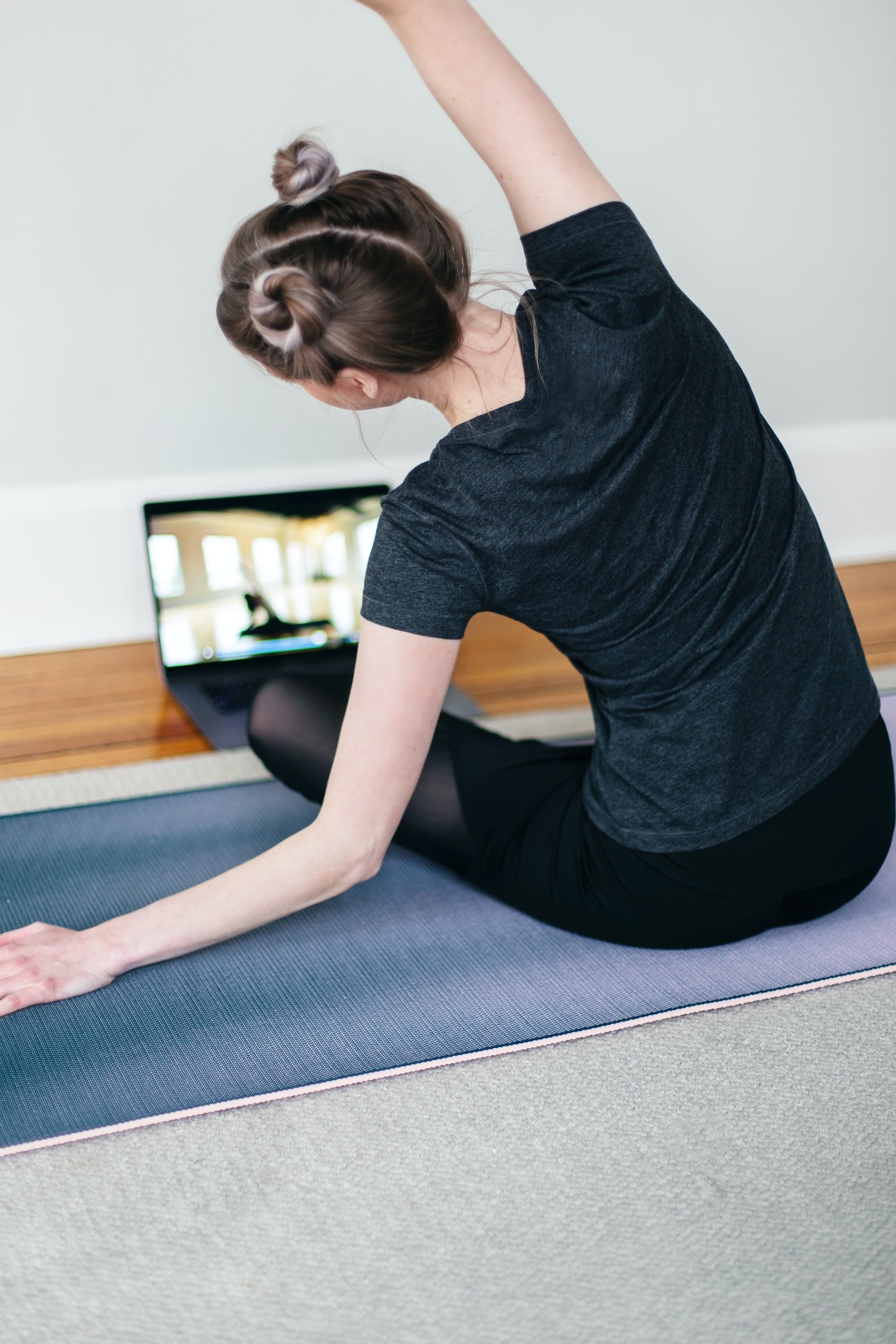
“When can I exercise again after having the baby?”, OR “Do I have to wait until my 6-week postpartum appointment to get back to physical activity?” The answers to these questions are going to vary based on your individual situation and needs. In general, it is safe for most moms to begin connecting with their deep abs and pelvic floor muscles using breath. Low-intensity walking and mobility exercises may be beneficial for you as well. Let comfort and energy level be your guide. Remember movement is good, but you don’t want to interfere with healing, especially if you had tearing or a c-section. You should not return to anything more vigorous before a doctor can tell you that there are no medical contraindications. If bleeding increases following even light activity, that may indicate that you are doing too much and you should contact your physician.

If you are “cleared” for exercise at your postpartum visit, this means that your doctor from a medical perspective thinks you can begin to be more physically active. You should still approach exercise with a gradual and progressive approach. This is not a green light to jump into your old routine. Abdominal and pelvic floor tissues can take up to 9-12 months to heal.
If your doctor approves and you’re ready to exercise, the progression below might help you prioritize your first steps back to fitness.
Heal: Whether you’ve had a c-section or vaginal delivery you have tissues that need to heal. Your initial focus should be on promoting healing by getting enough water, and nutrients and resting when you can. You should not begin to exercise until you know that any tears or incisions have healed properly. You’ll also want to address any scar tissue. Part of healing may also mean addressing concerns like incontinence, the feeling of pressure or bulging in your vagina, or abdominal separation. These are all common conditions, but not normal. It may not necessarily mean that you can’t begin an exercise program simultaneously, but you should consult with a pelvic floor therapist and prioritize exercises that will help you improve those symptoms or conditions.
Core: Most muscles of your core are impacted by pregnancy and delivery. All moms should strengthen these muscles and ensure that they function optimally by working synergistically. This often means beginning with breath, transverse abdominis, and pelvic floor muscles.
Function: Being a mom is physically demanding. Part of your return to fitness should be mastering repetitive movements like hip hinges or getting up off of the floor (think deadlifts and lunges), strengthening muscles that impact posture (think back and glutes, and focusing on mobility (think upper back, ankles, hamstrings and hip flexors).
Strength: After you have foundational core strength and have mastered movement patterns, you can begin to think about gradually progressing your program. This could include adding more resistance, moving to moderate to high-impact activity, and performing more demanding abdominal exercises like rotations or exercises in positions against gravity.
Other considerations of when it’s best for you to begin to exercise include sleep (ability to recover), support from family/friends, and mental state. Hopefully, this doesn’t sound overwhelming because there are many positives to postpartum exercise like establishing a healthy lifestyle for your family, and training in a way that you can become stronger than you were before pregnancy. And remember, exercise as a mom is not a luxury, it is essential in meeting the physical and emotional demands of motherhood.
Ready for more tips? Download 5 Tips for a Stronger Core After Pregnancy.

Running After Having a Baby: Guidelines for Postpartum Running
You’re six weeks postpartum and you’ve just been cleared for exercise. You may be wondering if you are ready to get back into running. Or maybe you’ve gone for your first run after having a baby and you’re wondering why it feels so hard. Either way, the purpose of this article is to tell you NOT to run as soon as you’re cleared for exercise, and to encourage you to take the proper steps so your first return runs feel good.
Unfortunately you can’t search the internet for standardized postpartum running guidelines. You may find blogs with suggestions and advice, but research-backed guidelines are hard to come by. The best ones I’ve found were created by Gráinne Donnelly, Emma Brockwell, and Tom Goom in 2019, which I will summarize in this post. The following information is to help you 1) determine if you’re ready to run 2) make you aware of concerns, and the suggested progression of exercise leading up to running.
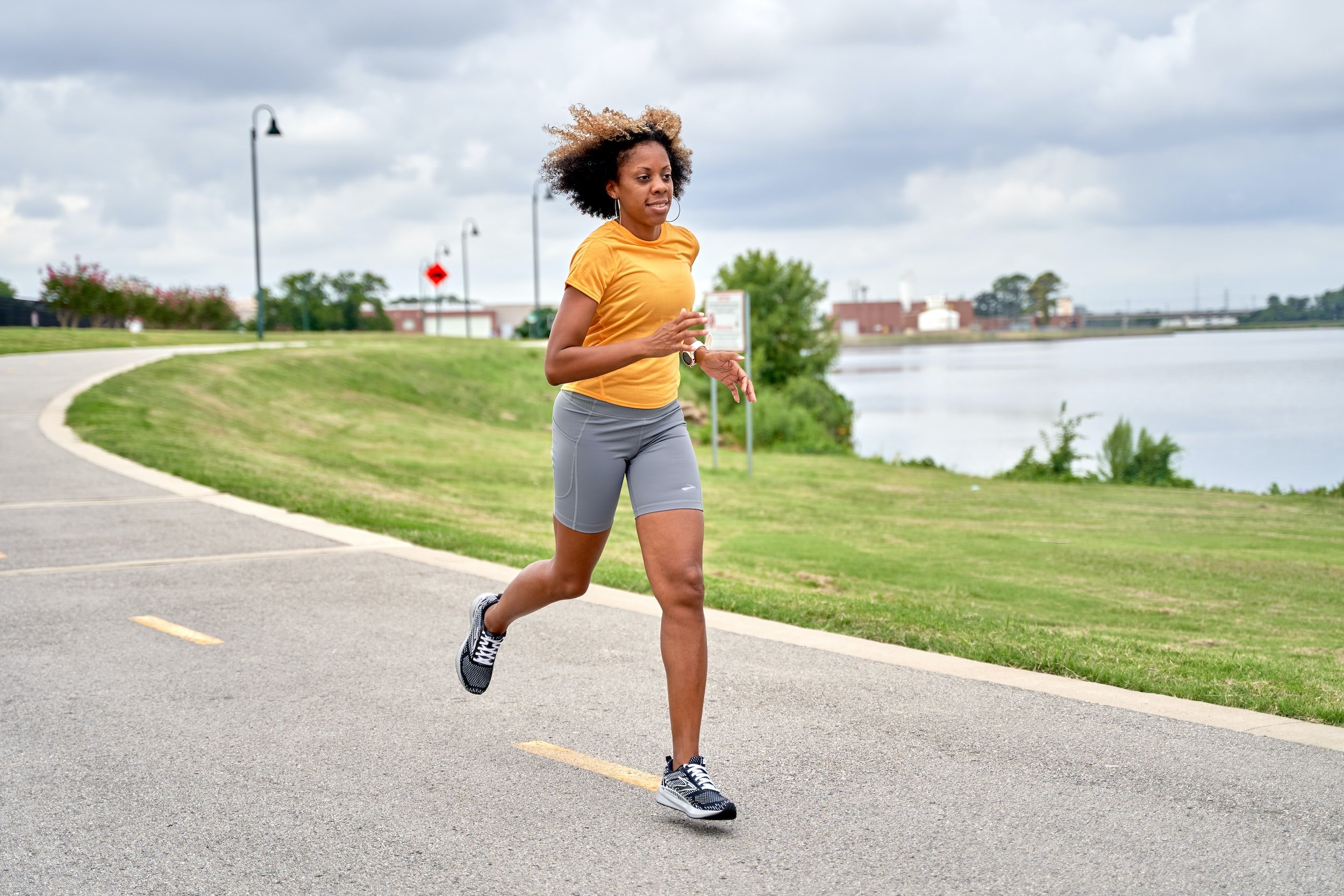
Running is a high-impact activity requiring core strength and function. To manage the intra-abdominal pressure that stabilizes your body during running, your abdominal and pelvic floor muscles need to be strong and functional. These muscles are weakened during pregnancy and can be further impacted during labor and delivery (cesarean and vaginal). Therefore, incontinence and prolapse can be a concern in postpartum running. You have to allow yourself enough time to heal and strengthen. How will you know if you have pelvic floor or abdominal wall issues? The following is a list of symptoms that could indicate dysfunction and should be addressed with a pelvic floor physical therapist before running.
Urinary and/or fecal incontinence
Urinary and/or fecal urgency
Heaviness/pressure/bulging in the pelvic area
Pain with intercourse
Separated abdominal muscles and/or decreased abdominal strength and function
Low back/pelvic pain
Based on evidence, these experts state that return to running is not advised prior to 3-6 months postpartum or beyond if any symptoms of pelvic floor dysfunction are experienced before running or after attempting to run. Furthermore, even if you don’t have symptoms, 3-6 months is still a minimum guideline to allow your tissue and muscles time to heal and strengthen. For example, it’s been found that after a c-section, your abdominal wall has only regained 51% of its tensile strength by 6 weeks postpartum, and reaches 73-93% only at 6-7 months postpartum.
After (or while) addressing any pelvic floor and/or abdominal concerns, it’s time for you to focus on building overall strength, with a focus on the core and lower body (I recommend glutes for all moms!). Stronger muscles will allow you to better manage the load/demand running puts on your body. If you’re able to work with a qualified postpartum exercise professional they can lead you through the proper training progression. When I work with people I start with making sure all of the muscles that attach to the pelvis are strong, functional, and know how to work together. I then move on to bigger movement patterns like squats, hinges, and lunges. The guidelines referred to in this article use the following exercises to assess readiness to run:

Walking 30 minutes
Single leg balance 10 seconds
Single leg squat 10 repetitions each side
Jog on the spot 1 minute
Forward bounds 10 repetitions
Hop in place 10 repetitions each leg
Single leg ‘running man’10 repetitions each side
Single leg calf raise 20x
Single leg bridge 20x
Single leg sit to stand 20x
Side lying abduction 20x
Keep in mind that this is not a prescriptive list, but it gives you an idea of what you should be working toward. You want to be able to do these exercises (or exercises that require similar load and strength) without pain or incontinence before returning to running.
So mama, before you break out the running shoes (which by the way, make sure they support your new postpartum feet), take the time to heal, strengthen, and get assessed by a pelvic floor PT if you have access to one. You have your entire life to be active (with your children!) and you don’t want to have any setbacks…so remember progression is essential.
And PS. This article doesn’t account for other factors like sleep, scar tissue, weight, breathing, breast size/breastfeeding, jogging strollers, or emotional readiness, which all will factor into your readiness and ability to run.
Ready for more tips? Download 5 Tips for a Stronger Core After Pregnancy.
If you are experiencing back pain or leaking, consider this FREE 5-day course to gain a better understanding of how to reduce your risk for pain and incontinence.
Postpartum Back Pain: 3 Changes to Make Now

Low back pain is common for moms but doesn’t have to be accepted. It’s estimated that 68% of women that have pregnancy back pain, continue to suffer postpartum, impacting daily life and even the ability to work. Hormonal shifts, joint laxity, weak core, heavier breasts, frequent lifting/bending, forward-leaning posture, and changes in your feet can all contribute to low back pain so it should go without saying there isn’t one easy fix.
Exercise, specifically core stability and strength training have been proven to improve low back pain., but exercise is only one piece of the puzzle. Here are 3 changes you can make now:
Update the gear. Heavier breasts mean a more supportive bra. If you’re breastfeeding you’re probably wanting to avoid compression, but a wide strap, supportive bra is key. If you’ve noticed flatter feet, wider feet, or longer feet…it’s time to update your shoes. Support starts from the ground up, so consider a new pair of shoes, or if you’re walking around barefoot a lot, you may need some supportive house shoes/slippers.
Better your body mechanics. We’ve all probably heard lift with your legs to prevent back pain, but the truth is that it isn’t always that simple when you’re performing the same movements day in and day out. Identify the most common movements you do throughout the day and then self-assess if you’re providing your back support with your leg muscles. If not, it’s time to make some changes. If you’re lifting the baby out of the crib, focus on support from your abs, glutes, and hamstrings similar to a deadlift. If you’re holding the baby as you get off the floor, practice standing from a kneeling lunge position. Forward leaning while feeding the baby? Get in the habit of stretching your chest muscles right after.
Nourish to Heal. In our superwoman society sometimes we forget that the postpartum period is more than just caring for the baby and beating the sleep deprivation. Your body has been through major changes and your tissues need to heal and hormones need to regulate. It’s important to nourish your body with enough water, sufficient nutrients, and good gut health. If this isn’t a focus, do your back a favor and begin to make simple changes.

I know it may seem overwhelming to care for your children and yourself, but healing and core function will impact your quality of life for years to come. Your child is only going to get heavier, and the physical demands of being a mom aren’t going anywhere. Let’s tackle this low back pain now. If you have access to a pelvic floor physical therapist or a postnatal fitness trainer, their support will be invaluable. You deserve to feel good, mama! If you need more guidance, try the FREE 5-Day Program to Reduce Your Risk of Back Pain.
Summer is Coming: Tips for Moms to Meet Their Fitness Goals

I’ll start with a disclaimer that I don’t love the idea of people putting pressure on themselves to up their exercise routine in preparation for summer. I firmly believe fitness is a lifestyle and the best way to sustain results is to be consistent year round. However, with that said, I also see nothing wrong with having aesthetic or other goals that make you feel confident this summer. So if you’re someone that is working toward your summer fitness goals, keep reading for a few tips.
Pregnancy Tips:
Summer can be an uncomfortable time to be pregnant. In order to stay active and continuing to make progress in your fitness consider the following 3 tips.

Exercise first thing in the morning: hot summer days can make it harder for you to regulate your body temperature, and quite honestly can just feel draining. Use the month of May to start a morning workout routine. Working out at the coolest point of the day can be safer, more comfortable and help you stay consistent.
Hydrate: not having enough water can raise your body temperature, and dehydration can even lead to uterine contractions. Make sure to replenish fluids after a workout. Use the month of May to get in the habit of increasing your fluids and maybe even treat yourself to a new water bottle.
Invest in workout gear or embrace the belly and sports bra look: If you no longer have moisture wicking clothing that fits, take some time during May to order a few new tops. You’ll want to be able to dissipate the summer heat. If you exercise regularly your sweat point will be lower in order to help with temperature regulation so you’ll want to stay comfortable and have clothing that drys quickly.
Postpartum Tips

If you’re still recovering from birth or building your fitness foundation, then your goals shouldn’t change too much with the season. However, there are a few tips that will help you plan for increased physical activity outside with your little one this summer.
Invest in a new carrier or switch to a stroller: During the cold months it’s possible you were only wearing the baby around the house or for short walks. With the nice summer days, your walks will get longer (as baby gets heavier) and that can cause neck and back pain without a supportive carrier. Take the month of May to make sure you have the right gear. Look for something with thick shoulder straps and a waist belt. Consider using a stroller for long walks until your core is strong and functional again.
Implement a walking progression: Before jumping in to longer walks and more physical activity, use the month of May to do it gradually. Aim to increase your walks 5-10 minutes each time or by gradual distance increments each week. Use interval style training to prepare your body for longer durations.
A little extra attention to specific muscles: During the month of May set aside 10 minutes/day, at least 3 days per week to focus on strengthening your abs, low back and glutes. Also include mobility exercises for your hip flexors and thoracic spine.
Beyond Postpartum Tips
You’ve been exercising consistently, have a strong fitness foundation and just want a little push toward your goal of more defined arms or feeling comfortable in a two piece at the beach. There is nothing wrong with aesthetics being part of your goals and here are some tips to get you that much closer.
Choose a muscle to focus on: Keep with your regular routine, but choose one muscle group to emphasize during the month of May. Include an additional 10 minutes working that muscle each workout, aiming for 3 days per week of targeted training.
Increase your cardio: If you know me, you know I believe strength training is key. However, if your goal is to see the muscles you’ve been working hard for, a little extra cardio during the month of May can give your body what you need to drop your overall body fat percentage if needed (remember, you can’t target train fat away!). Try adding some intervals to a strength workout or moderate intensity cardio on your strength recovery days.
Increase protein and water: If your plan is to add some cardio for more calorie/fat burning as suggested above, make sure you don’t lose the muscle mass you’ve worked so hard for. Aim to get at least 1g protein/kg of body weight to help you sustain muscle. Don’t forget your body needs enough water to function properly so make sure to hydrate!
So whether you’re pregnant, postpartum or further along in your motherhood journey, May through June is a great time to put these tips into action.