
Active Mom Insights
Blog posts by Ashley Reid
3 Ways to Incorporate Pelvic Floor Training into Your Strength Routine
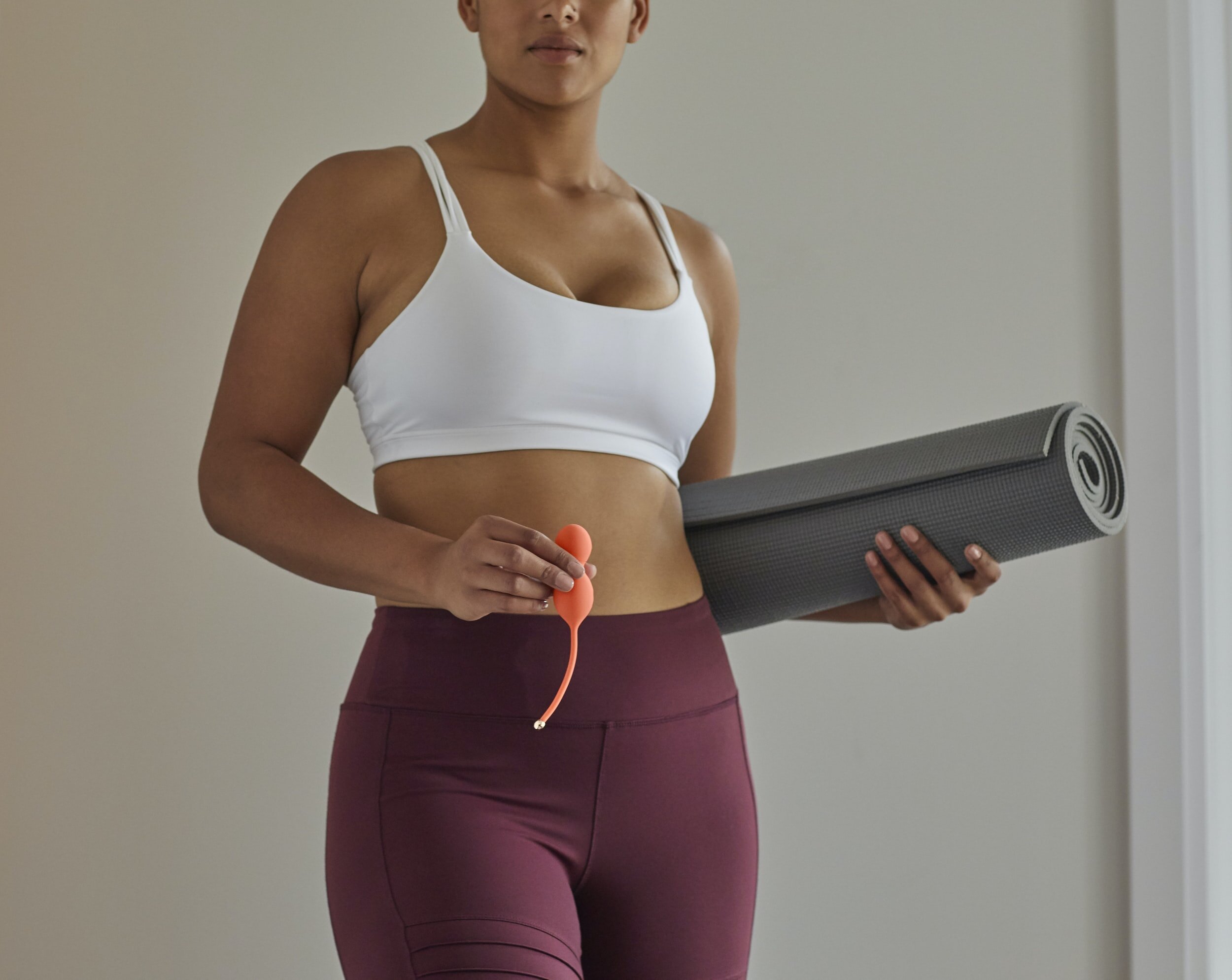
Your pelvic floor muscles can be considered the basement of your core and play a key role in managing intra-abdominal pressure (pressure within your abdominal cavity that helps stabilize your spine). When your pelvic floor muscles work with the rest of the core to manage the pressure, you'll feel stable and strong. When one area of your core is weak, your ability to manage and create pressure for stability changes. During pregnancy breathing, abdominal muscles/wall, and pelvic floor are impacted by the changes to your body-which is why training each of them properly is so important.
Pelvic floor muscles also play important roles in sexual function, organ support, and sphincteric control (holding urine, gas and poop). During the natal period (pregnancy and postpartum), weakness or overactivity of these muscles can impact your core strength and function, as well as cause conditions such as urinary and fecal incontinence, or pain with intercourse. By now most of us have heard of kegels, and some of you may even manage to fit in a few sets while brushing your teeth or driving. However, like most muscles in our body, pelvic floor muscles need to be functional during movement and not just at rest. The best way to do this is to coordinate the activation of your pelvic floor muscles with other core muscles during movement. Here are some ways to train those muscles with common exercises:

During squats: As you descend into a squat this is when your pelvic floor muscles should relax. During this lowering movement, you will inhale. As you ascend up to standing with an exhale, this is when you can contract your pelvic floor muscles (think of trying to tighten your vagina around a tampon). Additionally press through your heels to activate glutes, and draw in your belly button (to hit your transverse muscles).
During a front dumbbell raise: As you lift the dumbbell exhale and draw in your belly button (to hit your transverse muscles), while at the same time visualizing your pelvic floor rising along with your arm toward your belly button. As you lower the dumbbell, gently release your abdominal contraction and relax your pelvic floor.
Wall sit: While you're holding your wall sit (back against the wall, knees bent at 90 degrees with your knees over your ankles), challenge yourself for endurance pelvic floor contractions-one set of three 8-12 seconds long holds (make sure you’re not holding your breath, just the pelvic floor lift). And then follow that with a wall sit of quick pelvic floor contractions-strong flickers of your muscles for 10-15 reps. Think quick “contract, relax, contract, relax”. (similar to an orgasm)
For most pregnant people, pelvic floor training is recommended and will help you maintain a strong and functional core. Remember to always relax between contractions...you don’t want a tight pelvic floor during delivery.
It can be helpful for everyone to get a pelvic floor assessment postpartum, as many people will need to retrain the muscles, and although common, pelvic floor dysfunction is not normal. Weakness is not the only concern, sometimes birth trauma can lead to overactive or spasmed muscles...so don’t just jump back into kegels.
Happy training!
Ready for more tips? Download 5 Tips for a Stronger Core After Pregnancy.
If you already are experiencing back pain or leaking, consider this FREE 5-day course to gain a better understanding of how to reduce your risk for pain and incontinence.

Functional Training for Moms: Pre/Postnatal Exercise Tips
And then you got pregnant, where your body is changing outside of your control...you’re moving different, feeling different and priorities are shifting. This is really where the first phase of motherhood begins, and where your exercise program should prepare you for that.
Long runs after work, trying new fitness classes with your friends, training hard five days per week, or possibly never working out a day in your life. This might have been what fitness looked like for you before pregnancy. Unless you had an injury you probably weren’t strength training a ton with function in mind, or adjusting your routine based on the stage of life you were in.

And then you got pregnant, where your body is changing outside of your control...you’re moving different, feeling different and priorities are shifting. This is really where the first phase of motherhood begins, and where your exercise program should prepare you for that. For many (unless you trained as an athlete), it's the first opportunity to really choose workouts that align with the physical and functional demands being placed on your body, as well as your stage of life.
Here are a few functional training ideas and tips for early stages of motherhood:
Pregnancy
Learn which core exercises are still appropriate for you
Be sure to include breathing and pelvic floor work in your fitness routine
Focus on lengthening chest muscles and strengthening upper back muscles
Incorporate a variety of glute exercises
Avoid impact when you start to feel pelvic pressure or incontinence during exercise
Early Postpartum (0-6 weeks)
Begin reconnecting to core muscles with breath and simple exercises like hip lifts and pelvic tilts
Adjust stroller handles to the proper height and enjoy short walking bouts if you’re feeling up to it
Focus on body mechanics while holding the baby, sitting, and feeding
Avoid impact exercise (low impact like walking is acceptable as tolerated)
Postpartum 6-12 weeks
Increase the duration of low-impact activities (like walking) as tolerated
Address pelvic floor or diastasis recti concerns with a professional
Begin to progress through core exercises
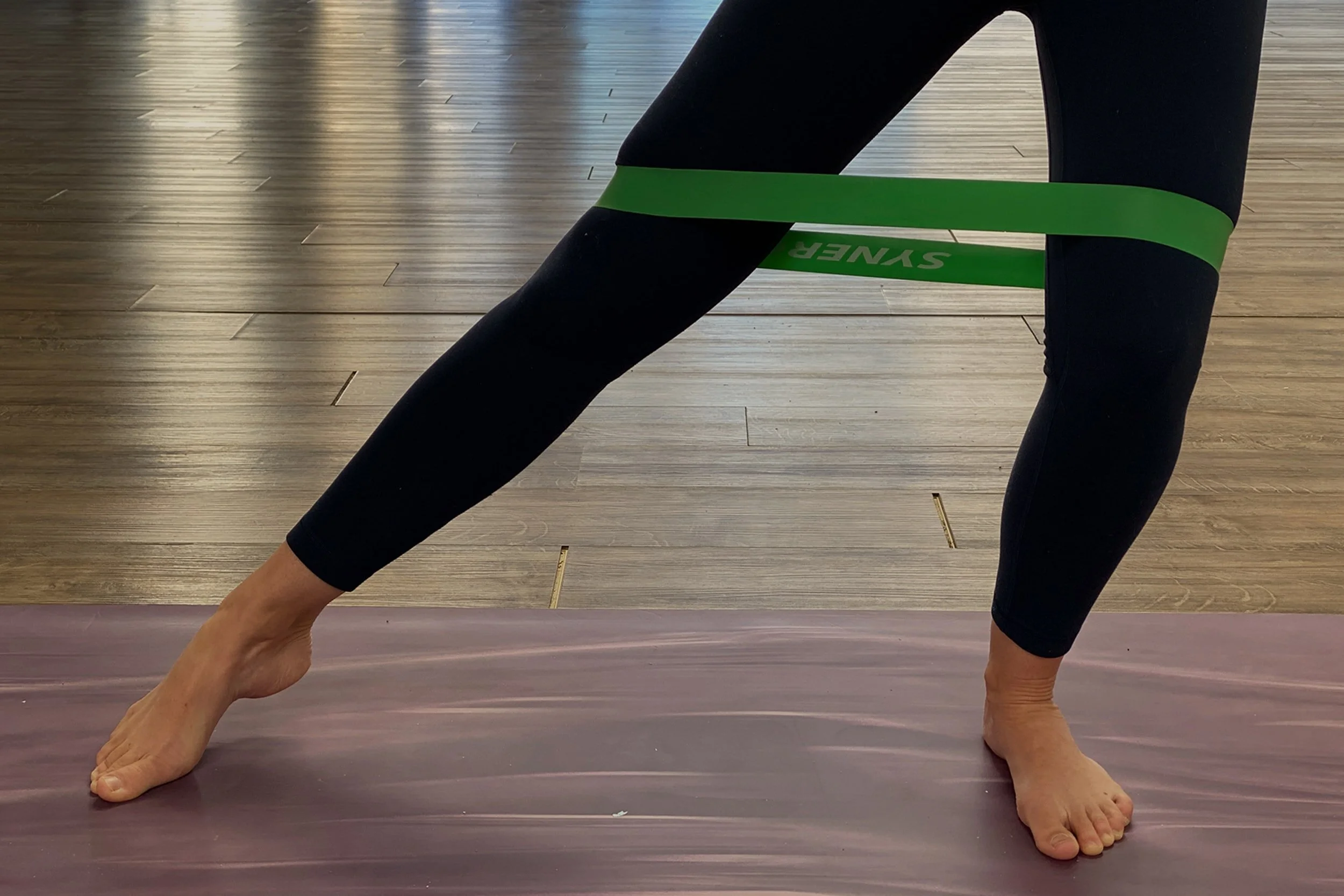
Incorporate strength exercises like deadlifts, lunges, or box squats that mimic daily life demands
Postpartum 12 weeks-12 months
Gradually add more impact exercise if desired (and if strength training has been adequate)
Begin to increase strength training volume, focus on movement patterns (push, pull, squat, lunge, hinge, rotate)
Use more frequent, but shorter duration workouts to make consistency more attainable
Use tools like the foam roller to address mobility and muscle tightness
This is by no means an exhaustive or very specific list, but hopefully, it gives you an idea of the importance of shifting your training focus to not just meet your goals, but also your needs. If you need help personalizing your program, take advantage of the Active Mom Fitness Signature Consult.
Mom Posture: Why Are My Shoulders Rounded?
Catch a side view of yourself in the mirror and you might notice that your ears are slightly forward of your shoulders or that your neck is curved. It may look like you’re slouching even when standing tall, or that you have “winged scapula”. During exercise you might notice your shoulders shrug during pushing or pulling. You may have experienced a shoulder injury from instability, or suffer from headaches. You might even feel your breathing is inefficient.

Catch a side view of yourself in the mirror and you might notice that your ears are slightly forward of your shoulders or that your neck is curved. It may look like you’re slouching even when standing tall, or that you have a “winged scapula”. During exercise, you might notice your shoulders shrug during pushing or pulling. You may have experienced a shoulder injury from instability, or suffer from headaches. You might even feel your breathing is inefficient.
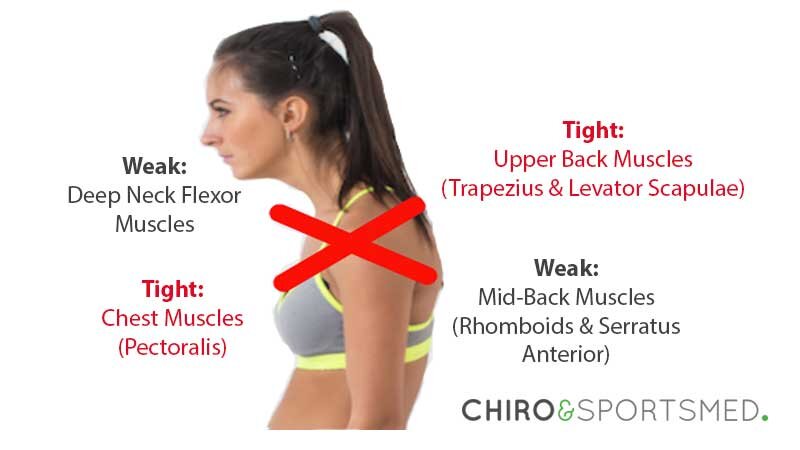
Well guess what? There is a name for that. It’s called Upper Cross Syndrome due to the X you can draw between tight and lengthened muscles in your upper body. And although it’s common among moms, we can’t just blame the kids (although heavier breasts from pregnancy or breastfeeding can contribute). Upper Cross Syndrome affects anyone that is spending extended periods of time with your head forward (think phones and computers). Put simply there is increased stress on your neck and shoulders, which can cause some muscles to be too tight and some muscles to be weak and lengthened.
The good news is that it can be improved or corrected. Here are some starting points:
Daily Life: Determine the positions during the day that are causing your upper cross syndrome and then reduce time in those positions. Feeding the baby? Change up the position. Working on your computer? Use a chair with good lumbar support, ensure the proper height of the keyboard, and take movement breaks. Moms, the daily stuff really adds up, so these small changes can have a huge impact! *Side note, consider your bra. If it’s not supportive, your breast can be pulling you forward.
Lengthen: Free up the shortened muscles that are pulling you forward. Muscles like the upper trapezius, levator scapulae, and pecs (upper back and chest) can be lengthened through dynamic and static stretching, as well as using tools like a tennis ball or foam roller. A doorway chest stretch and some upper back foam rolling is a great place to start. Stretches like ear to shoulder while also tilting your chin toward your shoulder are helpful as well.
Strengthen: Your rhomboids, serratus anterior, and lower traps (mid back), as well as your neck flexors, are probably lengthened and weak. Exercises such as standing or floor Y-raises, and chin tucks are a simple place to start.
So what do you say mama, are you ready to address what has always just been called poor posture? Find a program that works for you!

Exercise After Baby: What Moms Really Want
On one hand you have the people assuming the ultimate goal is the “snapback”. On the other end of the spectrum are the “all bodies are beautiful” “you’ve just created life” camp.
This post came about after several conversations that I had with my client Simi. During our prenatal strength sessions, we’d often chat about not just her goals during pregnancy, but what they’d be after having her daughter. During one conversation we discussed the varying messages in media and society. On one hand you have the people assuming the ultimate goal is the “snapback”. On the other end of the spectrum was the “all bodies are beautiful” “you’ve just created life” camp. In between sets of TRX rows, we concluded that both perspectives are valid, and that the gray area in between is probably the sweet spot. Weight loss is a valid postpartum fitness goal if that’s important to you, but it would be nice if society understood that your body has been through a lot and “bouncing back” without work (after taking time to recover) is not the case for most.

Fast forward to us talking nine months postpartum, and Simi shares, “I remind myself that my being healthy and active (and thus more happy and energetic) is great for me AND my baby! Some weeks I slip (and allow plenty of grace for that!) but overall the scheduling helps keep me in a good rhythm.” This is from someone that was SUPER committed during pregnancy, sometimes getting 5-6 workouts in per week. But her for the stage of motherhood she is in now, motivation for exercise now is to be “happy and energetic”.
Simi’s perspective is not uncommon. With every client I work with, I ask them their top goals. The most common responses:
Feel good about my body
Feel energized
Reduce pain/prevent injury
Build Strength/build core strength
Is that to say weight loss isn’t important? Absolutely not. It just means that for new moms there are other priorities and these are the priorities that society, pop culture, and fitness professionals should recognize. It also means that we can appreciate what our body has done, but still want more for it…again, that gray area.
Simi admits her view did change after having her daughter, "My biggest view change is how quickly I want to get back into my pre-pregnancy shape. While this is absolutely a goal for me, I now realize that achieving it as quickly as I originally wanted would require more sacrifice and time commitment than I am willing to give. Time with my daughter and husband together, time with just my husband, indulging in good food and some wine (even though I maintain a healthy diet overall!), spending time with the few family members we can right now, and mental health days are all things I’m prioritizing in addition to exercise. The balance just means slower results, which is okay for me!"
Let’s keep having this conversation. Let’s make that gray area (of what moms really want) more acceptable and known.
Ready for more tips? Download 5 Tips for a Stronger Core After Pregnancy.