
Prenatal Exercise Myths, Debunked
Don’t let outdated advice keep you from staying active during pregnancy.
I've worked with a lot of pregnant moms, and many of them sought me out because they feared they were going to do the wrong thing. The fear of exercise during pregnancy has many roots, but with a lot of the moms I worked with, it started with guidance that is outdated, incomplete, or simply never made it to them in the first place. Let’s set the record straight on three of the most common myths about exercise during pregnancy.
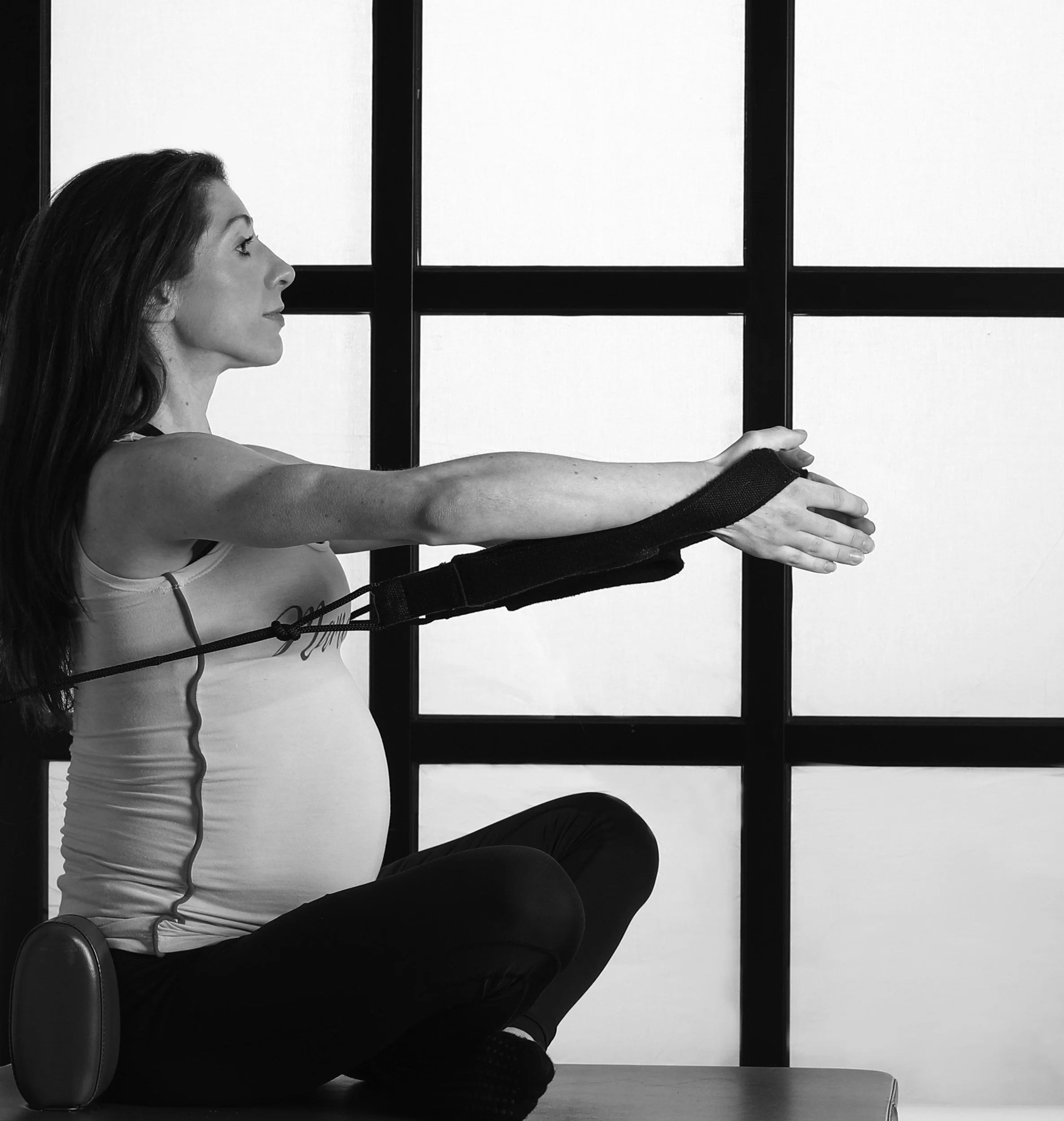
Myth 1: If You Didn't Exercise Before Pregnancy, You Shouldn't Start Now
This is not true. If you began your pregnancy already exercising, you should continue those healthy habits. But if you weren't active before becoming pregnant, now is actually an ideal time to start. Current clinical guidance is clear: even previously sedentary women are encouraged to begin an exercise program early in pregnancy. The risk of staying inactive is well-documented. Physical inactivity and excessive weight gain during pregnancy are risk factors for gestational diabetes, hypertensive disorders, and other complications. If you haven’t been told you have an unhealthy pregnancy or contraindications, do yourself and your baby a favor by getting and staying active.
Myth 2: Your Heart Rate Shouldn't Go Above 140 BPM
The 140 bpm rule is one of the most persistent pieces of outdated pregnancy advice still circulating today. It originated from an American College of Obstetrics and Gynecologists (ACOG) guideline published in 1985, was removed in 1994, and yet more than half of OB/GYNs still recommend some form of heart rate limit to their pregnant patients. It happened to me when I asked about exercising during my first trimester. This is a prime example of updated research not reaching the people who need to be aware of it (and why I wrote the book Active Mom).
Current ACOG guidance does not specify a maximum heart rate. Instead, it recommends monitoring intensity through perceived exertion. Two practical ways to do this are thetalk test and the RPE (Rate of Perceived Exertion) scale. With the talk test, you should be able to carry on a conversation during exercise but not sing. That range, feeling "fairly light to somewhat hard," is where most pregnant women should be working. If your provider recommends a heart rate cap, it is worth questioning whether that recommendation reflects current guidelines or your specific risk factors.
Myth 3: Kegels Are the Best Way to Train Your Pelvic Floor During Pregnancy
Kegel exercises strengthen the pelvic floor, the group of muscles that support the bladder, uterus, rectum, and small intestine. I’ve had moms come to me saying they know they should do kegels, or they do kegels, but they’re not sure they’re doing them right. They tell me they want to strengthen the muscles to avoid leaking.
Although I’m always happy they’re aware of the need for a healthy pelvic floor, it’s clear that only one piece of advice around pelvic floor training is mainstream. When performing kegels, you’re probably focusing on the contraction, just like you would during most exercises when your goal is increasing strength. What I’d like for you to consider is that it’s important to be able to relax your pelvic floor as well, especially during labor and delivery. If all you’re doing is squeezing and not also learning how to relax, you’re doing yourself a disservice. In fact, many moms that I’ve worked with who had incontinence due to pelvic floor dysfunction found out after seeing a pelvic floor pt that their muscles actually weren’t weak, they were too tight, and doing a bunch of kegels was not what they needed.
Beyond that, kegels alone don't address the full scope of what pregnancy demands from your body. Your entire pelvis shifts during pregnancy, which affects the 40-plus muscles attached to it. Focusing only on the pelvic floor is not enough to support those changes. A comprehensive approach integrates pelvic floor work into your broader core training rather than treating it as a standalone exercise. One of my favorite ways to train the pelvic floor is awareness during strength exercises like squats or deadlifts, or adding it to abdominal exercises.
If you’re looking to strengthen your pelvic floor and want to learn more about integrating it into your routine, consider my prenatal core training course to find out which exercises are right for you as you move through each trimester.