
Active Mom Insights
Blog posts by Ashley Reid
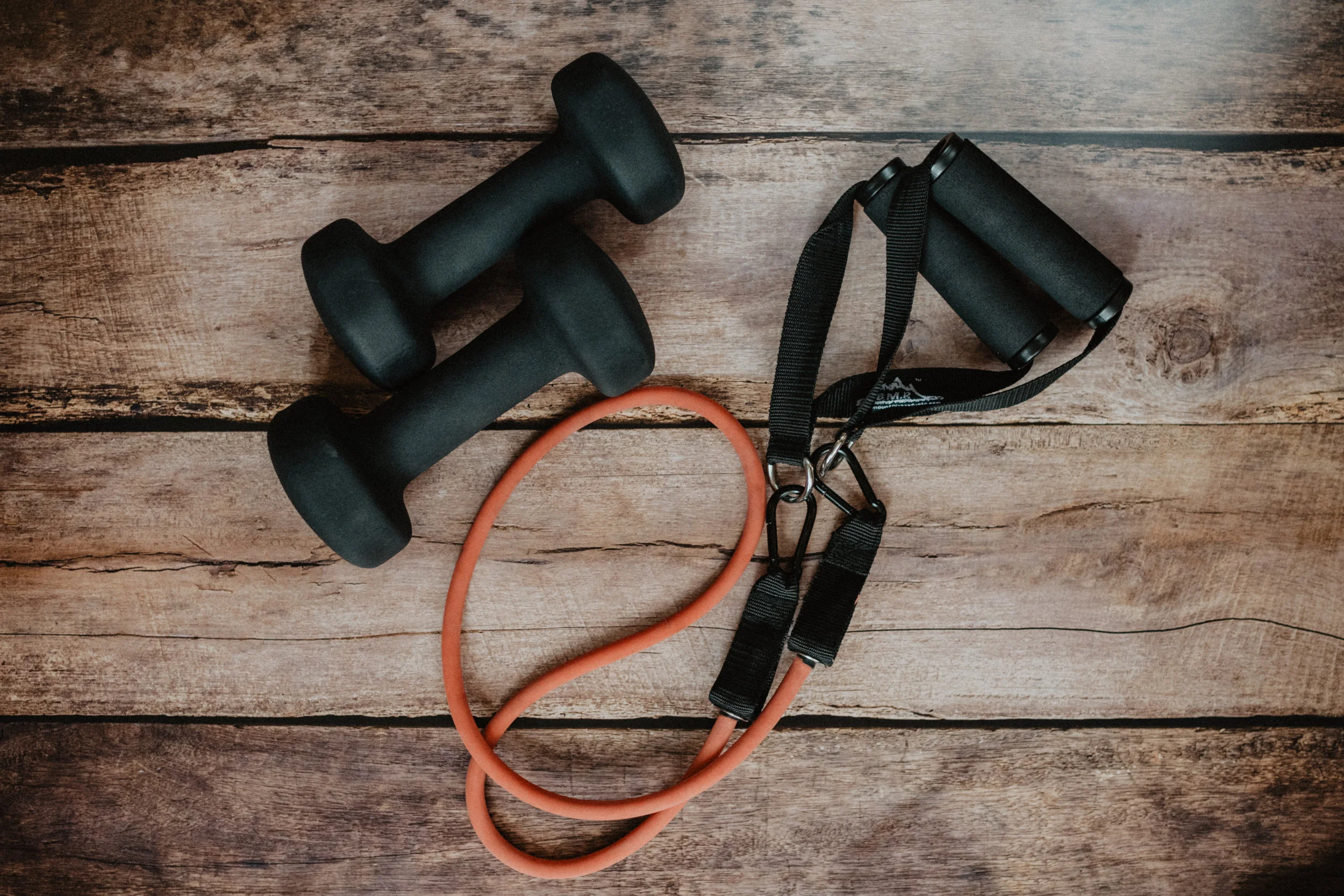
Four Tips to Structure Your Home Workout Routine So That You Get Results
With virtual fitness options now in abundance, you should have no problem getting results right? Well, it actually isn’t that simple…but the good news is that with these tips, it isn’t complicated either.
With virtual fitness options now in abundance, you should have no problem getting results right? Well, it actually isn’t that simple…but the good news is that with these tips, it isn’t complicated either.
Keep your goals in mind: Your fitness priorities should dictate your choice of exercise. Although it is fun to try different studios and formats (and you definitely should take advantage of this if it interests you), keep in mind that jumping around from program to program probably won’t get you closer to a specific goal. If your goal is muscle definition, you need to choose strength workouts. If you want to rebuild after baby, then search for core safe workouts. In general your focus should guide which workouts you prioritize. There is nothing wrong with mixing things up, but you should be at your best for the workouts that are aligned with your goal.
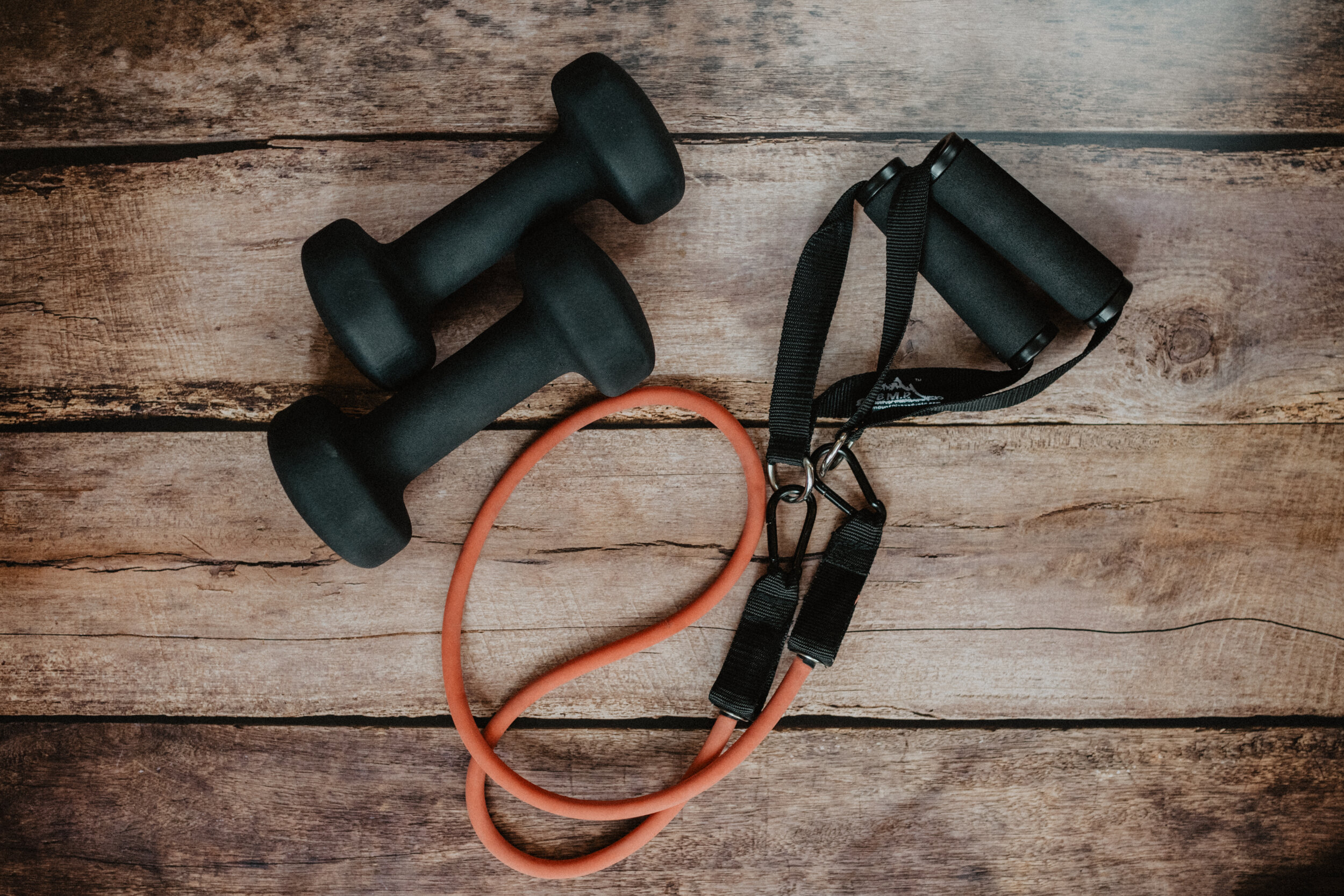
2. Be strategic and plan your week: don’t leave it to chance that you’ll find the right workout on the right day. Your weekly plan should account for varying intensity, recover, duration, etc. If you’re choosing HIIT everyday, when are your muscles recovering? If you’re spinning everyday, when are you working on core? Develop a plan and search for workouts accordingly.
3. With limited equipment, look to maintain muscle: The good news is that if you’ve been working hard to gain muscle, with limited equipment you don’t have to lose all of your gains. Rather than stressing about not being able to lift heavier weights, use resistance training strategies like plyometrics, decreased rest time, eccentric contraction, decreased cardio and increased protein intake to maintain the lean muscle mass.
4. General activity matters: Remember it’s not just about that 30-60 minute workout. Whether you’re after health benefits, weight loss, mental health or peak fitness shape, your body needs to move often. If you’re sitting for long periods then you should work in movement breaks. If it’s an “off day”, still get outside for a walk.
Sample Schedule: For those of you currently working with me or if you’re interested in joining my virtual workouts, here’s how I’d suggest structuring your week. Find all virtual options that can easily be purchased online here.
Monday: Virtual private session focused on your goal and designed specifically with the equipment you have available. Pair with 1-2 moderate intensity walks outdoors.
Tuesday: Moderate to vigorous cardio depending on your fitness level and stage of motherhood (walking, running, biking, spinning, HIIT, etc.). Pair with 1 light intensity walk outside.
Wednesday: Live streamed strength class or virtual private training (Stronger After Pregnancy, Active Pregnancy or Trifecta). Pair with 1-2 short walks/runs outdoors (your choice on intensity).
Thursday: Live Streamed Core Mat Class. Pair with 1 long moderate intensity walk or run outdoors
Friday: Strength class or private training (Stronger After Pregnancy, Active Pregnancy or Trifecta). Pair with 1-2 moderate intensity short walks outdoors.
Saturday: Live Streamed Core Mat class paired with a family activity (hike, bike, walk, dance)
Sunday: Recovery and Mental health focus (yoga, foam rolling, family time, etc.)
If you’ve just had a baby or are ready to take your first steps toward fitness, try start with Active Mom Fitness today!

Five Home Workout Tips For Moms: Exercise When You're Home With Kids?!?!
These 5 Tips require a bit of a shift in how we think about exercise, but trust me, you can absolutely maintain and gain fitness while working out at home.
Be creative in what you consider a workout.
Some of you are always juggling family time and fitness time. Some of you have a good routine going where you can escape to the gym. Others may be wondering how you can possibly workout with kids at home. However at the time this post was written, all moms are in this together. We’re home with the kids (social distancing) and need to figure out how to fit in exercise. These 5 Tips require a bit of a shift in how we think about exercise, but trust me, you can absolutely maintain and gain fitness while working out at home.

Be creative in what you consider a workout. Your three year old might not get excited if you ask them to participate in squat jumps, planks or sprints. However, what if you said, “join mommy and jump like a frog (squat jumps), build the strongest bridge (plank) or be a race car driver (sprints)”? Stretch your creative brain and you and your child are in for a good workout.
Short bursts are best. Most children don’t have the capacity for endurance workouts or have a ton of stamina. Take a look around a playground. You’ll see kids running running running and then stop for breaks to climb or swing. Consider this format when planning your workout and you’ll save your sanity. Interval workouts have proven fitness results so plan for 30 seconds to 2 minutes of exercise followed by 1-2 minutes of recovery…also known as tending to whatever your child needs during that time.
Break out the music. Seem obvious? Who doesn’t love a good playlist during a sweat session? Working out at home with kids may mean you switch up your mix. Look for songs that will keep them entertained or even guide in their movement. Think “head, shoulders, knees and toes” or “5 little monkeys jumping on the bed”. Better yet, follow along to this freeze dance workout with your kiddo.
More is more. More short workouts throughout the day are better than one long workout. You’ll have more flexibility if you’re trying to squeeze in three 10-minute sessions versus a 30-minute session. Workouts boost your energy and mood so an added bonus is you’ll stretch the positive vibes throughout the day. Additionally, this mimics a school schedule so if your kiddo is used to dance, free play, recess or gym it's a great way to get them on board with your exercise break. It’s a win-win for you and the fam.
Accept your routine/workout won’t be the same. If most of your workouts take place outside of the home and you temporarily have to find a way for fitness with your children, don’t stress by trying to replicate those workouts. It’s OK to switch up exercise goals and focus. Think of athletes. They have coaches and professionals ensuring they don’t do the same routine year round. They have different seasons. Consider this a change in season for you. Choose a new focus that’s realistic for you. Maybe this means focusing more on yoga, or recovery, or body weight exercise?? Don’t stress. It doesn’t have to be the same. Just keep moving!
See my “working out your workout routine” interview with CBS Philly here. If you’re looking for a little more accountability, try Active Mom Fitness Virtual Live Streams or Private Training. Be sure to subscribe to the Active Mom Fitness Youtube channel for free content.
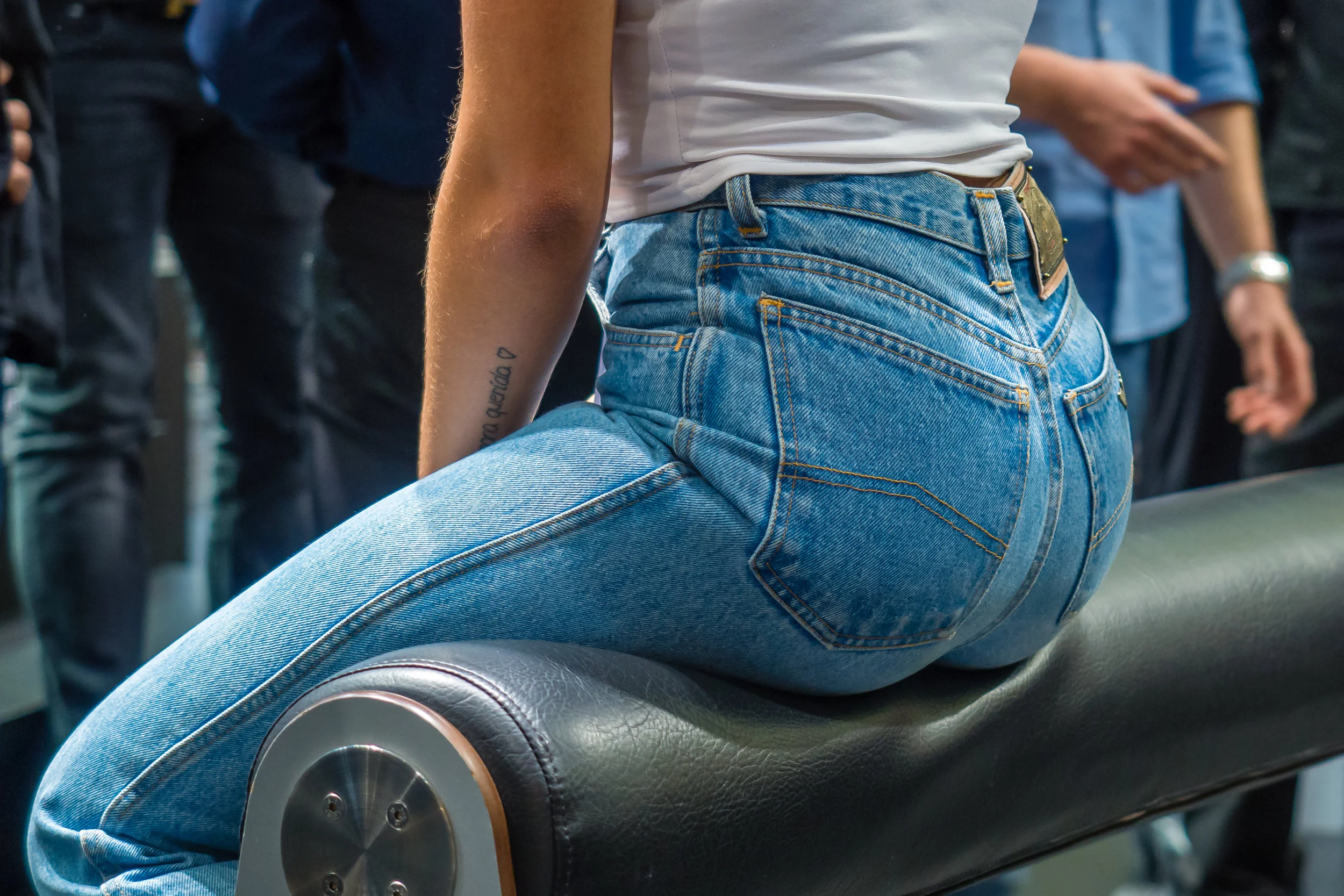
"Mom Butt": When Your Jeans Don't Fit The Same After Baby
Yes, the term is unflattering, but it’s a thing. If you’re fully recovered and ready to begin sculpting some curves, this is what it’s going to take:
Yes, the term is unflattering, but it’s a thing.
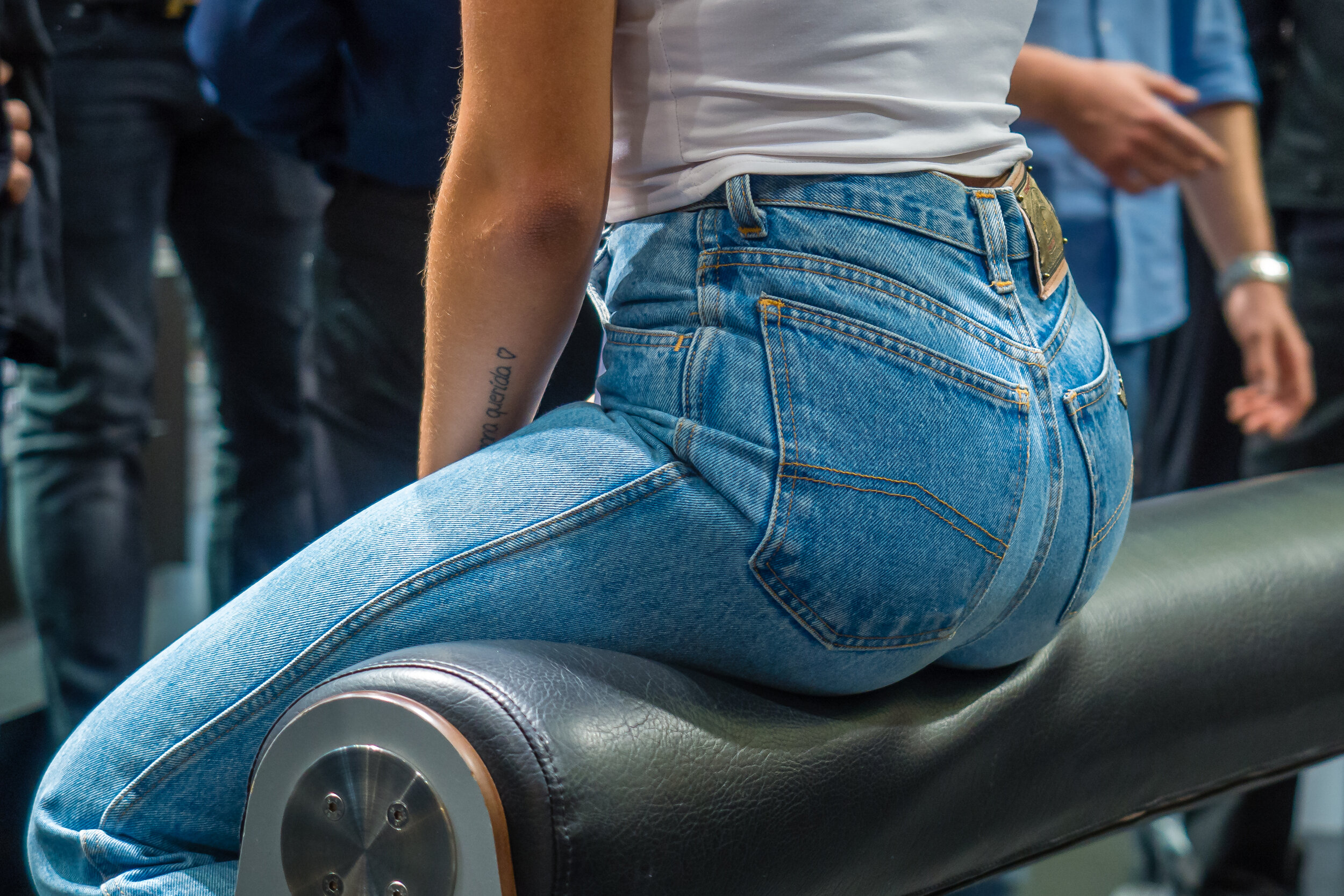
The most important part of your fourth trimester is your postpartum body recovering and building strength...however once you’ve made progress there, you may start to question where did your butt (glutes) go???
Sooo for real, where did it go?
Keep in mind your body changed so that you could carry a child, it takes time for those adaptations to shift. For some, it can take up to 12 months for tissues to heal and hormones to regulate (all affecting your fitness and the fit of your jeans), so be patient.
During pregnancy anatomical changes occur to make room for the baby. Heavier breasts, larger belly, wider hips...they all impact glute use, therefore impacting glute strength and shape.
Ok, I get that, but why didn’t it come back post-baby?
Unfortunately, it’s not just going to return because the baby arrived. Like any muscle, you have to work to maintain it, to strengthen it, and to grow it. However, during the postpartum period or when many moms return to exercise they do things to sabotage those efforts.
I don’t want to get in my own way…how am I sabotaging my efforts?
Focusing too much on cardio. Cardio is great if you love it and it obviously has health benefits. However, in general, cardio doesn’t build muscle the way strength training does. If you enjoy it, do it…but if your priority is muscle definition then it shouldn’t be a priority in your exercise routine.
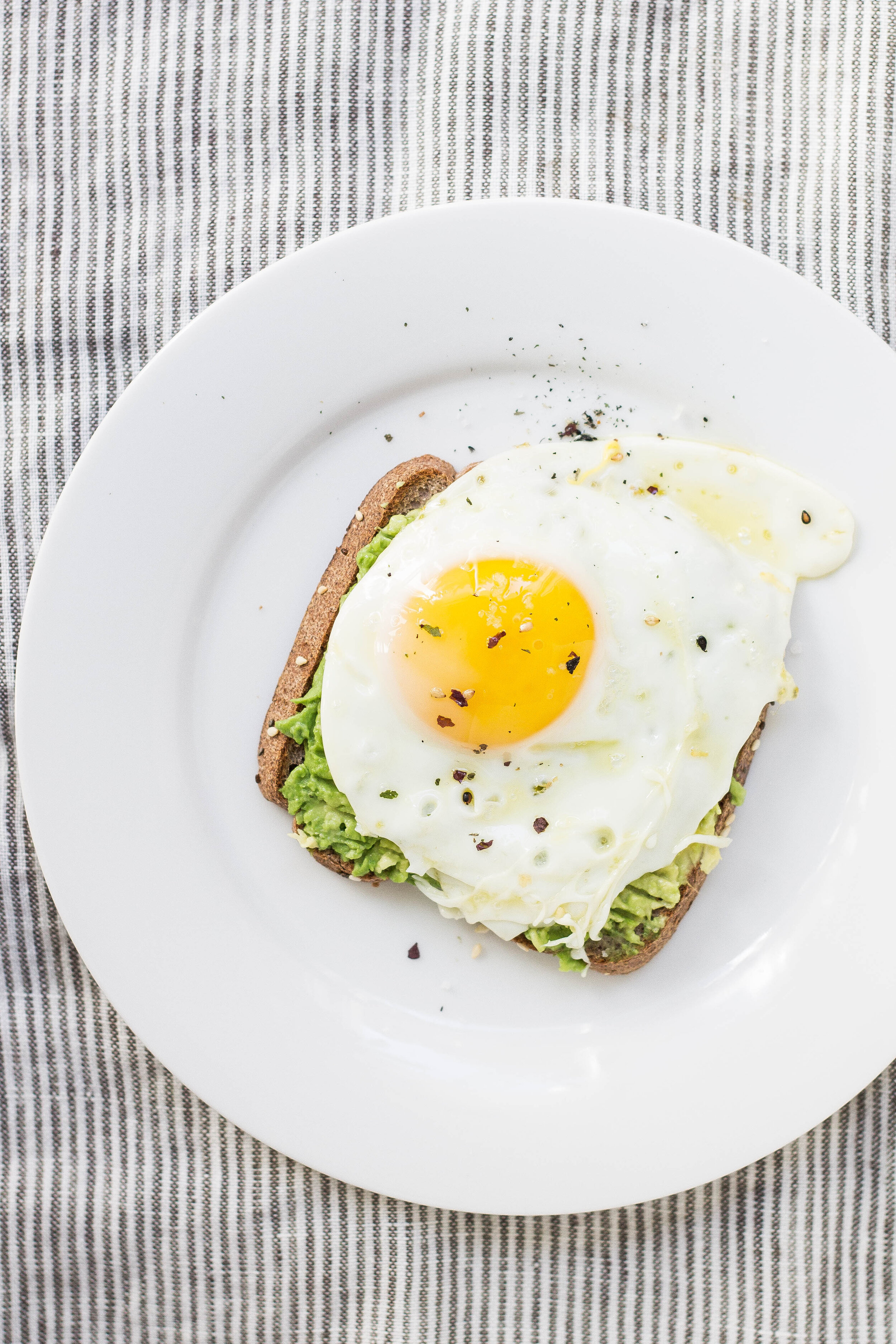
Not planning ahead and grabbing snacks and meals without enough protein. In general, it’s recommended that people consume .8g of protein per kg of body weight daily. If you are strength training that range can increase to 1.2-1.7g/kg. It’s hard to consume that amount without some planning and effort.
Not dealing with pain and recovery first. Glutes connect to the pelvis which is directly impacted by pregnancy. If you have any pelvic pain or pelvic floor concerns, address those first or along with your fitness program. If you don’t, you’ll limit your ability to perform exercises correctly and put yourself at risk for injury.
Not making time for exercise. If you’re picturing sculpted glutes, it’s going to take time. It’s important to be realistic with yourself. If your child is still very young, lofty glute goals may not be an option from a time perspective. If that’s the case, a quick and functional full-body strength training plan may be more appropriate to start. It will set you up for success when you are ready to commit more time.
Got it. Anything else I should keep in mind?
If you’re fully recovered and ready to begin sculpting some curves, this is what it’s going to take:
Consider your glutes as part of your core system. During the postpartum period, all muscles that connect to your pelvis need to be strengthened and learn to work together as a unit. Strengthen the glutes, but don’t neglect your inner/outer thigh, back extensors, pelvic floor, and abs.
Train using multiple movements. Your glutes help your body perform many movements so your training plan should account for this. Perform squats, lunges, hip extensions, deadlifts, hip thrusts, hip abductions, etc.
Remember, your body is not going to be the same as pre-pregnancy. Is this a bad thing? Not at all! The best part of postpartum fitness is the opportunity to approach training in a new way, with the ability to be stronger than ever before!
Feeling strong and confident as a mom is the most important thing, but, if you have personal aesthetic goals, there is nothing wrong with that. Get after it!
If you’re looking for some guidance, try my self-paced Mom Butt: Glute Training Essentials Program!
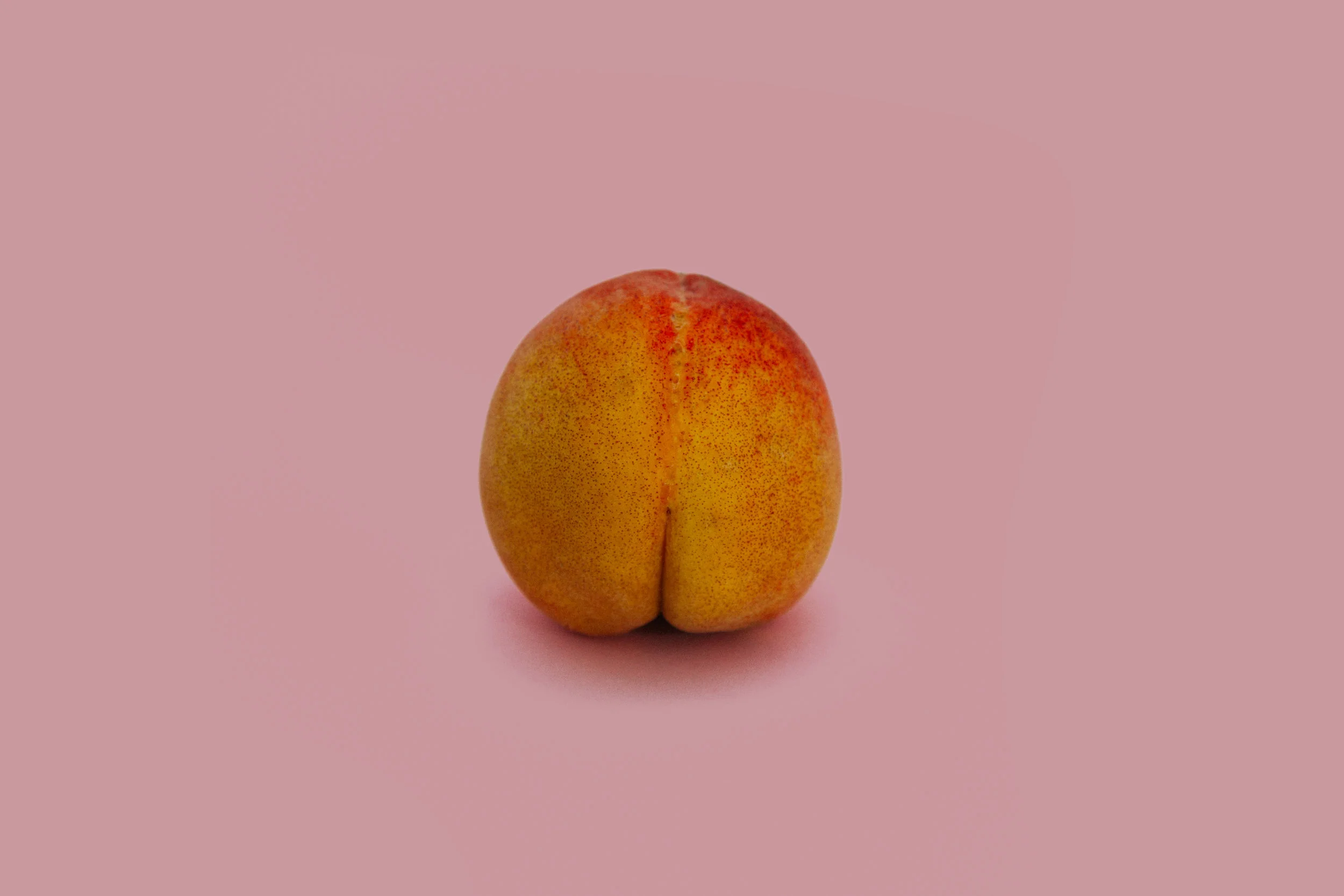
Your Baby Might Be the Size of a Fruit, But Your Butt is No Longer Peachy
Belly gets bigger, boobs get bigger...butt gets flatter?? Why is Your Rear Disappearing During Pregnancy
It’s true, some of you may experience a booty gain during pregnancy…However, many of you will experience the opposite, your butt (your glutes) appears to flatten.
Belly gets bigger, boobs get bigger...butt gets flatter?? Why is Your Rear Disappearing During Pregnancy
It’s true, that some of you may experience a booty gain during pregnancy. This has to do with where your body decides to distribute the additional fat that is stored during pregnancy. However, many of you will experience the opposite, your butt (your glutes) appears to flatten.
Why does this occur?
During pregnancy, your body anatomically changes to make room for your growing baby. Weaker abs, a growing belly, and heavier breasts can cause your lower back to start to sway (increased lordosis). This position of your pelvis provides the least amount of glute activation.
Additionally, your hips start to widen and your feet externally rotate, again causing less use of your glutes and the appearance of a flat butt. If you're fortunate to not have a deflated peach, functionally there is still a good chance that you are losing strength (even though the additional fat may not reduce the size of your glutes).
Lastly, not all, but many pregnant women choose different exercises and activities during pregnancy or aren’t active at all. Activities like prenatal yoga or walking are great, but they don’t do a whole lot for maintaining those rear curves. Muscle strength and definition require strength training.
So what can you do about it?
During pregnancy, your goal shouldn’t be to sculpt the best glutes of your life or to PR (personal record) in the weight room. Your goal during pregnancy should be to maintain a healthy weight, stay active, and maintain strength in the muscles commonly weakened by pregnancy. Strength training twice per week is hugely beneficial. You’ll maintain strength not just in your glutes, but your entire body…hopefully providing a more comfortable pregnancy. Subsequently, you might just keep a little shape in your rear.
How can training your glutes support your body during pregnancy?
The hormone relaxin “relaxes” your joints so that your body can adapt to the baby. This can create joint instability. Strong glutes help maintain stability in the knees, spine, and hips.
Glutes support hip extension. Strong glutes can reduce pregnancy low back pain by preventing excessive lumbar extension or overusing your lower back.
Pelvic pain is another common pregnancy complaint. Strong glutes can help stabilize the SI joint, reducing the risk of pain.
Tips for training:
Train your glutes as part of a full-body strength/resistance program twice per week.
Do more than just squats: if you have no complications or pain you can perform a large variety of exercises. There is no “one size fits all” guide to exercise. It will depend on your energy level, previous experience, technique, and intuition as to how the exercise feels. In general, as your pregnancy progresses your exercise choice may change. But recognize hip extension, adduction, abduction, standing, lying, sitting, dumbbells, bands, and bodyweight exercises are all great options.
Prepare for caring for your baby. You’re going to do more bending and picking things up compared to pre-baby. Consider hip extension exercises like hip thrusts, bridges, kickbacks, quadruped hip extensions, and deadlifts as good additions.
Eat a healthy pregnancy diet, including sufficient protein (.8g per kg of body weight is the general recommended daily amount, but if you are strength training/active, that range can increase to 1.2-1.7g/kg. Although it’s harder to find pregnancy-specific guidelines, one study showed the need to intake 1.2-1.5 g of protein per kg of body weight.
So as you keep getting those What to Expect While Expecting fruit and veggie updates, don’t forget your peach needs a little love too!
If all of this information feels a bit overwhelming, and you want someone to guide you, try the Self-Paced, Mom Butt: Glute Essentials Program!