
Active Mom Insights
Blog posts by Ashley Reid

Moms, Stretching Isn't Going to Fix Your Back Pain
When your back feels tight or even painful, the first thing you probably say is “I need to stretch more”. And although stretching and back mobility is one component to back health, it will never be the best or only remedy. Stretching lengthens muscles…in the moment, but it rarely is enough for spasms, and definitely isn’t enough for chronic or recurring pain. Most often, the cause of back pain for moms is feeding posture, carrying, and lifting their baby, weak core. This pain may appear in pregnancy and continue postpartum, or not show up until after the fourth trimester as your baby grows. To truly address your pain, you have to address the cause. The moms I work with have significantly less back pain than most because we focus on range of motion (mobility) of joints like hips, knees and ankles, because we strengthen the muscles involved in mom posture (rounding shoulders), and we strength train for mom movements (lifting, bending).
When your back feels tight or even painful, the first thing you probably say is “I need to stretch more”. And although stretching and back mobility is one component to back health, it will never be the best or only remedy. Stretching lengthens muscles…in the moment, but it rarely is enough for spasms, and definitely isn’t enough for chronic or recurring pain. Most often, the cause of back pain for moms is feeding posture, carrying, and lifting their baby, weak core. This pain may appear in pregnancy and continue postpartum, or not show up until after the fourth trimester as your baby grows. To truly address your pain, you have to address the cause. The moms I work with have significantly less back pain than most because we focus on range of motion (mobility) of joints like hips, knees, and ankles, we strengthen the muscles involved in mom posture (rounding shoulders), and we strength train for mom movements (lifting, bending).

Here are four muscle groups you can focus on as you begin to address your back pain:
Glutes
Your glutes are important for hip extension and they help with core stability. During the early postpartum period, strong glutes can support your weaker core muscles as you work to rebuild ab strength and function. During pregnancy, your glutes can step up and assist your lower back muscles when they fatigue trying to adapt to the anatomical changes that occur each trimester.
Hamstrings
The hamstrings are responsible for hip extension and knee flexion. They play a crucial role in bending down to pick things up. When they are strong they can share the load with your back muscles to prevent overuse, which reduces your risk for pain. Use your hamstrings to hinge rather than rounding your spine when lifting your baby out of the crib, your back will thank you.
Core muscles
This is probably the most obvious group of muscles when you think of preventing lower back pain. However, you have many core muscles, and not only do you need to keep them strong, but you have to make sure they coordinate and work well together. This is especially important for moms considering your rectus abdominis muscles, diaphragm, and pelvic floor muscles are heavily impacted by pregnancy. But, don’t feel hopeless, I’ve helped hundreds of moms learn how to strengthen their core during and after pregnancy. Research shows back pain is common, but not inevitable with the right core training program.
Upper back muscles
Yes, your upper back muscles can impact your lower back muscles. Muscles like your rhomboids, trapezius, and rear deltoids, help maintain posture and prevent rounding of your shoulders. Moms tend to develop rounded shoulders due to extra frontal weight during pregnancy, and feeding posture postpartum. Strengthening the upper back will keep your body in better alignment reducing your risk for low back pain.
So even though nearly 80% of moms suffer from low back pain, that doesn’t have to be your story. If you recognize that reducing your risk for pain is more than just stretching, and involves joint mobility and muscle strengthening, then you’ll fall into that 20% of moms who can stay active during pregnancy, and take care of their child comfortably. You got this!

Help Your Hips By Training This Muscle
After you become pregnant, you probably become more aware of your hips than ever before. If you’re in need of more strength and stability, glutes are a key factor. With so many exercises to choose from, if you’re just starting out don’t complicate things…
If you’ve ever worked with me, you know that I’m slightly obsessed with training glutes, but it’s about way more than aesthetics…although “mom butt” is a thing, so glute exercises are key to combat the flat butt appearance that can occur during or after pregnancy.
The reason I include glute exercises in every session is because they play a major role in both hip stability and movement (they also provide stability for the knee, SI joint, and spine, but that’s for another post). In this article, I’m hoping I can convince you that training your glutes two times per week is essential for your hips…and aesthetics.

Let’s talk about anatomy first. You actually have three muscles that make up the glutes. When any of these muscles are weak or tight, your hips are impacted.
The gluteus maximus is the superficial gluteal muscle and is the largest of the trio. This is the one that makes up the shape of your butt/hips. The gluteus maximus is responsible for the force required to stand from a seated position, go up the stairs, or generate power in athletic movements. The primary movement of the gluteus maximus is to extend your hip (bring the leg backward or stand upright from a bent position), as well as external rotation of the hip.
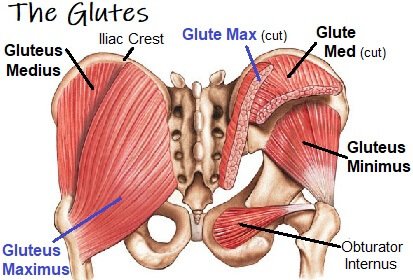
Image from Knee-pain-explained.com
The glute medius is a broad fan-shaped muscle found between the maximus and minimus, as a middle layer. It works with the minimus to provide hip stability when one leg is off the ground, like when you’re standing on one leg or during walking and running. The gluteus medius also works with the minimus to abduct your hip (lift your leg out to the side). Your pelvis won’t be as stable if your glute medius is weak, which can then cause issues in your knees and lower back.
The glute minimus is also fan-shaped and is the smallest of the glute muscles. It also lies deepest, under the glute medius. The glute minimus assists the glute medius in the stability of the pelvis, hip abduction, and hip rotation. If you’re lifting your leg out to the side, or standing on one leg, this muscle is activated.
So now that you know there are three glute muscles, let’s talk a bit more about what they do and the exercises that train them.
As already mentioned, they are stabilizers. They work with other core muscles to help stabilize your trunk and hip, which helps with posture and proper alignment. This is why if you’ve ever been in physical therapy, glutes are usually a part of the program. Outside of stability, you’ve learned that glutes are responsible for hip movement, which are as follows:
Hip extension refers to straightening at the hip joint. This can happen when standing from a bent or seated position, or when you extend your leg backward. If your glutes are weak then you might overuse your back muscles when bending and lifting, causing pain or even injury.
Hip abduction is when your leg moves away from the midline of your body. Your glutes help your legs move in this direction, but also provide stability by activating in movements that could cause too much or too little rotation, like when you perform wide stance squats.
Hip rotation is when your thigh rotates away from your midline.
Now let’s take a quick look at examples of glute exercises.
There are several variations of hip abduction, extension, and rotation exercises, which means you can continue to make progress by progressively challenging yourself.
The gluteus maximus is activated both in horizontal and vertical exercises. Vertical exercises would be variations of squats, lunges, deadlifts, step-ups, and kickbacks. Horizontal exercises would be variations of hip thrusts and glute bridges.
The glute medius and minimus are activated during hip abduction and rotational exercises. Examples of these include the quadruped fire hydrant, seated abduction machine, clam shells, band wood chops, or lateral mini band exercises like shuffling and side leg lifts.
After you become pregnant, you probably become more aware of your hips than ever before. If you’re in need of more strength and stability, glutes are a key factor. With so many exercises to choose from, if you’re just starting out don’t complicate things. Choose one horizontal hip extension exercise, one vertical hip extension exercise, and one hip abduction exercise. As you progress, or if you’re looking to do a bit more sculpting, your volume may need to increase and you’ll experiment with different variations, but for now…get those two days per week of glute training!
PS. If your hips are feeling tight, try this hip mobility flow!
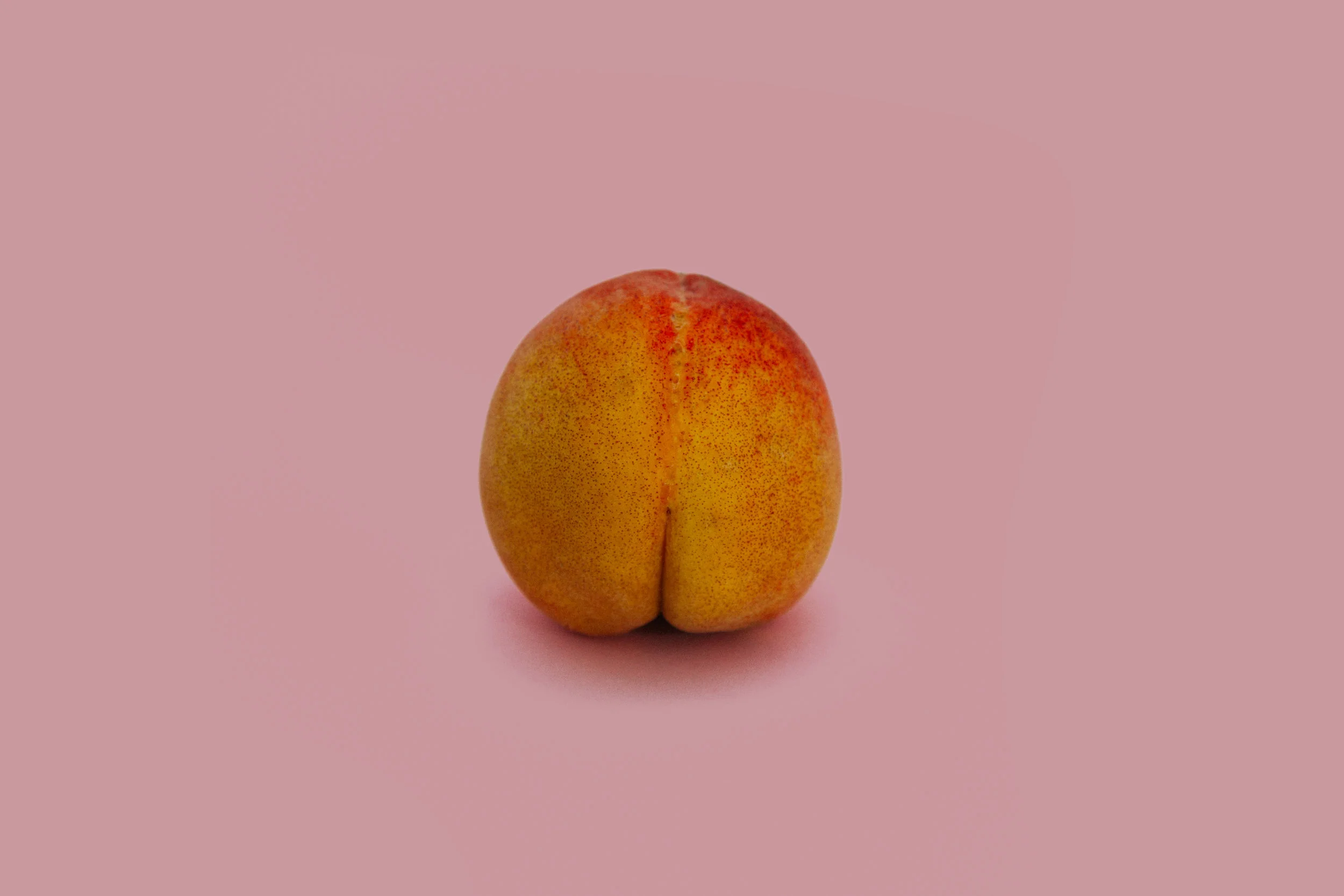
Your Baby Might Be the Size of a Fruit, But Your Butt is No Longer Peachy
Belly gets bigger, boobs get bigger...butt gets flatter?? Why is Your Rear Disappearing During Pregnancy
It’s true, some of you may experience a booty gain during pregnancy…However, many of you will experience the opposite, your butt (your glutes) appears to flatten.
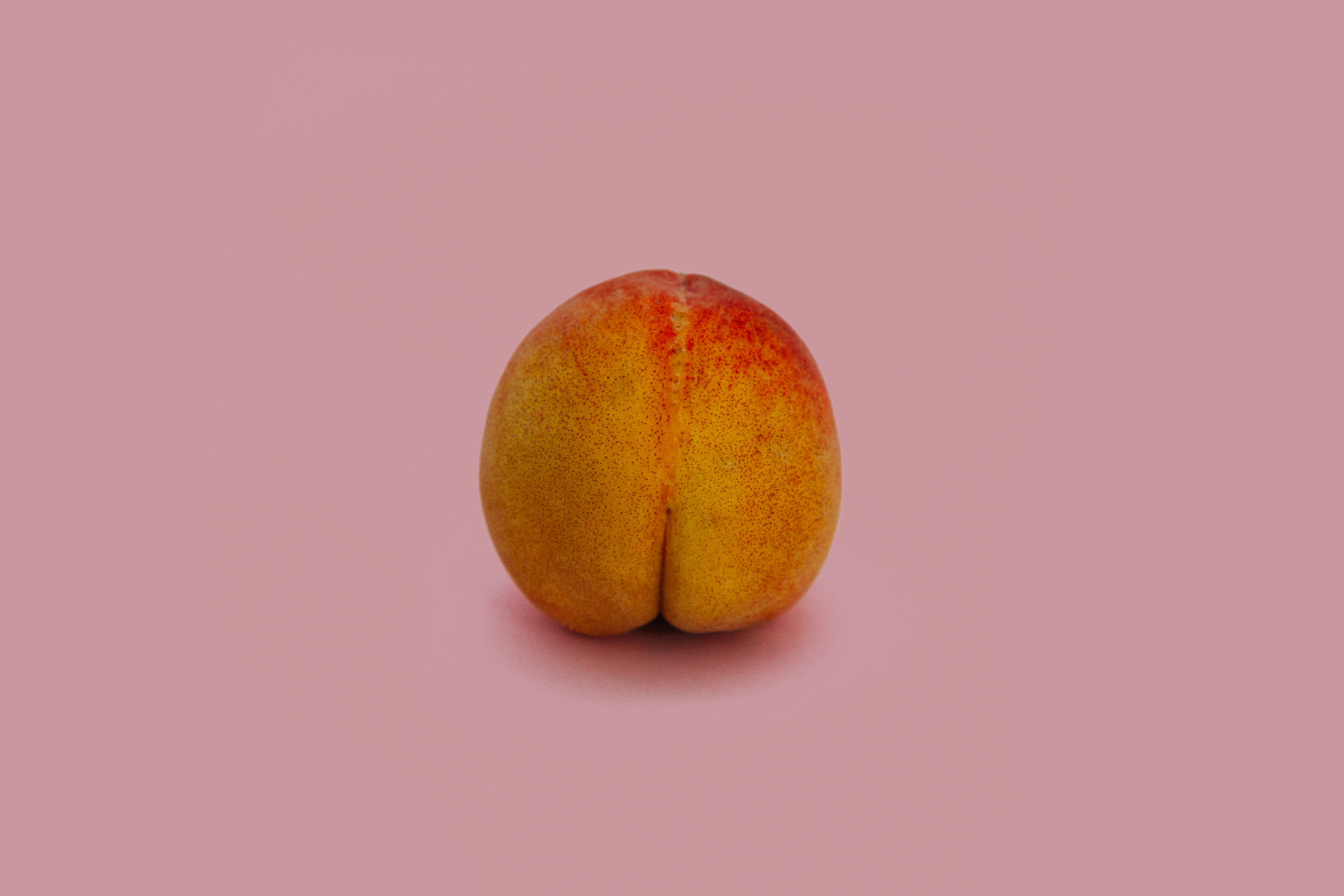
Belly gets bigger, boobs get bigger...butt gets flatter?? Why is Your Rear Disappearing During Pregnancy
It’s true, that some of you may experience a booty gain during pregnancy. This has to do with where your body decides to distribute the additional fat that is stored during pregnancy. However, many of you will experience the opposite, your butt (your glutes) appears to flatten.
Why does this occur?
During pregnancy, your body anatomically changes to make room for your growing baby. Weaker abs, a growing belly, and heavier breasts can cause your lower back to start to sway (increased lordosis). This position of your pelvis provides the least amount of glute activation.
Additionally, your hips start to widen and your feet externally rotate, again causing less use of your glutes and the appearance of a flat butt. If you're fortunate to not have a deflated peach, functionally there is still a good chance that you are losing strength (even though the additional fat may not reduce the size of your glutes).
Lastly, not all, but many pregnant women choose different exercises and activities during pregnancy or aren’t active at all. Activities like prenatal yoga or walking are great, but they don’t do a whole lot for maintaining those rear curves. Muscle strength and definition require strength training.
So what can you do about it?
During pregnancy, your goal shouldn’t be to sculpt the best glutes of your life or to PR (personal record) in the weight room. Your goal during pregnancy should be to maintain a healthy weight, stay active, and maintain strength in the muscles commonly weakened by pregnancy. Strength training twice per week is hugely beneficial. You’ll maintain strength not just in your glutes, but your entire body…hopefully providing a more comfortable pregnancy. Subsequently, you might just keep a little shape in your rear.
How can training your glutes support your body during pregnancy?
The hormone relaxin “relaxes” your joints so that your body can adapt to the baby. This can create joint instability. Strong glutes help maintain stability in the knees, spine, and hips.
Glutes support hip extension. Strong glutes can reduce pregnancy low back pain by preventing excessive lumbar extension or overusing your lower back.
Pelvic pain is another common pregnancy complaint. Strong glutes can help stabilize the SI joint, reducing the risk of pain.
Tips for training:
Train your glutes as part of a full-body strength/resistance program twice per week.
Do more than just squats: if you have no complications or pain you can perform a large variety of exercises. There is no “one size fits all” guide to exercise. It will depend on your energy level, previous experience, technique, and intuition as to how the exercise feels. In general, as your pregnancy progresses your exercise choice may change. But recognize hip extension, adduction, abduction, standing, lying, sitting, dumbbells, bands, and bodyweight exercises are all great options.
Prepare for caring for your baby. You’re going to do more bending and picking things up compared to pre-baby. Consider hip extension exercises like hip thrusts, bridges, kickbacks, quadruped hip extensions, and deadlifts as good additions.
Eat a healthy pregnancy diet, including sufficient protein (.8g per kg of body weight is the general recommended daily amount, but if you are strength training/active, that range can increase to 1.2-1.7g/kg. Although it’s harder to find pregnancy-specific guidelines, one study showed the need to intake 1.2-1.5 g of protein per kg of body weight.
So as you keep getting those What to Expect While Expecting fruit and veggie updates, don’t forget your peach needs a little love too!
If all of this information feels a bit overwhelming, and you want someone to guide you, try the Self-Paced, Mom Butt: Glute Essentials Program!