
Active Mom Insights
Blog posts by Ashley Reid
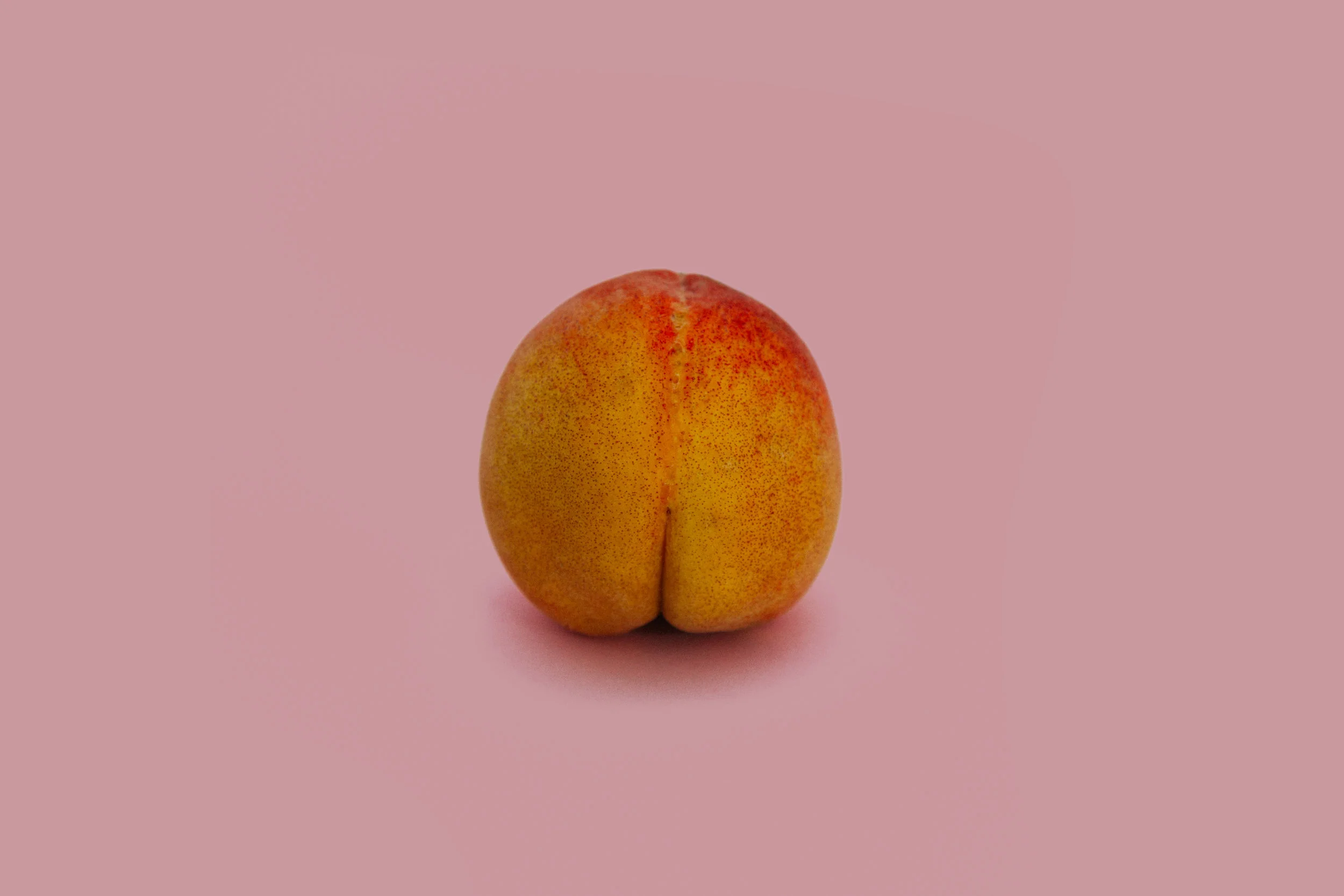
Your Baby Might Be the Size of a Fruit, But Your Butt is No Longer Peachy
Belly gets bigger, boobs get bigger...butt gets flatter?? Why is Your Rear Disappearing During Pregnancy
It’s true, some of you may experience a booty gain during pregnancy…However, many of you will experience the opposite, your butt (your glutes) appears to flatten.
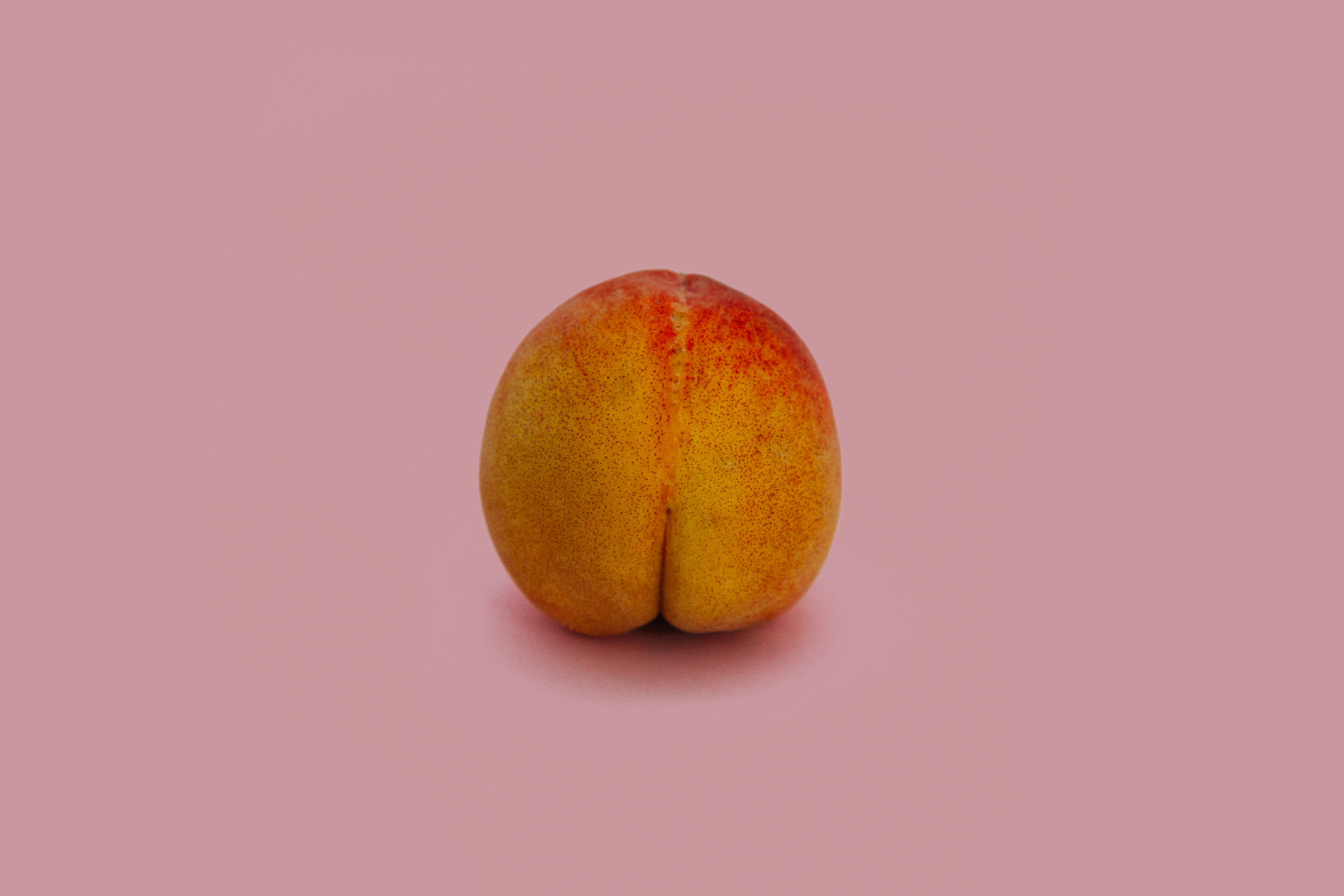
Belly gets bigger, boobs get bigger...butt gets flatter?? Why is Your Rear Disappearing During Pregnancy
It’s true, that some of you may experience a booty gain during pregnancy. This has to do with where your body decides to distribute the additional fat that is stored during pregnancy. However, many of you will experience the opposite, your butt (your glutes) appears to flatten.
Why does this occur?
During pregnancy, your body anatomically changes to make room for your growing baby. Weaker abs, a growing belly, and heavier breasts can cause your lower back to start to sway (increased lordosis). This position of your pelvis provides the least amount of glute activation.
Additionally, your hips start to widen and your feet externally rotate, again causing less use of your glutes and the appearance of a flat butt. If you're fortunate to not have a deflated peach, functionally there is still a good chance that you are losing strength (even though the additional fat may not reduce the size of your glutes).
Lastly, not all, but many pregnant women choose different exercises and activities during pregnancy or aren’t active at all. Activities like prenatal yoga or walking are great, but they don’t do a whole lot for maintaining those rear curves. Muscle strength and definition require strength training.
So what can you do about it?
During pregnancy, your goal shouldn’t be to sculpt the best glutes of your life or to PR (personal record) in the weight room. Your goal during pregnancy should be to maintain a healthy weight, stay active, and maintain strength in the muscles commonly weakened by pregnancy. Strength training twice per week is hugely beneficial. You’ll maintain strength not just in your glutes, but your entire body…hopefully providing a more comfortable pregnancy. Subsequently, you might just keep a little shape in your rear.
How can training your glutes support your body during pregnancy?
The hormone relaxin “relaxes” your joints so that your body can adapt to the baby. This can create joint instability. Strong glutes help maintain stability in the knees, spine, and hips.
Glutes support hip extension. Strong glutes can reduce pregnancy low back pain by preventing excessive lumbar extension or overusing your lower back.
Pelvic pain is another common pregnancy complaint. Strong glutes can help stabilize the SI joint, reducing the risk of pain.
Tips for training:
Train your glutes as part of a full-body strength/resistance program twice per week.
Do more than just squats: if you have no complications or pain you can perform a large variety of exercises. There is no “one size fits all” guide to exercise. It will depend on your energy level, previous experience, technique, and intuition as to how the exercise feels. In general, as your pregnancy progresses your exercise choice may change. But recognize hip extension, adduction, abduction, standing, lying, sitting, dumbbells, bands, and bodyweight exercises are all great options.
Prepare for caring for your baby. You’re going to do more bending and picking things up compared to pre-baby. Consider hip extension exercises like hip thrusts, bridges, kickbacks, quadruped hip extensions, and deadlifts as good additions.
Eat a healthy pregnancy diet, including sufficient protein (.8g per kg of body weight is the general recommended daily amount, but if you are strength training/active, that range can increase to 1.2-1.7g/kg. Although it’s harder to find pregnancy-specific guidelines, one study showed the need to intake 1.2-1.5 g of protein per kg of body weight.
So as you keep getting those What to Expect While Expecting fruit and veggie updates, don’t forget your peach needs a little love too!
If all of this information feels a bit overwhelming, and you want someone to guide you, try the Self-Paced, Mom Butt: Glute Essentials Program!

Getting to the Core of Pregnancy
The body’s “core” is a system of muscles that support the spine and pelvis, with the ceiling being the diaphragm and the bottom of the cylinder being the muscles of the pelvic floor. The shift of the pelvis and the separation of abdominal muscles during pregnancy can result in a weaker core and unstable pelvis. This may lead to pain in the lower back and pelvis during pregnancy.
Three ways beyond exercise to promote a healthy core during pregnancy.
The body’s “core” is a system of muscles that support the spine and pelvis, with the ceiling being the diaphragm and the bottom of the cylinder being the muscles of the pelvic floor. The shift of the pelvis and the separation of abdominal muscles during pregnancy can result in weakness and instability. This may lead to pain in the lower back and pelvis during pregnancy. Women without any contraindications are advised to counteract the instability and weakness by strengthening abdominal, back, butt and pelvic floor muscles through exercise
However, beyond exercise, pregnant women shouldn’t overlook these 3 strategies to encourage a healthy pregnant core.

Image from http://www.fitnessnetwork.com.au/resources-library/aqua-pelvic-floor
Tip 1 for a healthy pregnant core: perform diaphragmatic (belly) breathing
Why? The diaphragm is a thin muscles that separates the chest from the abdomen, forming the roof of the core. A 2013 article in The Journal of Multidisciplinary Healthcare discusses the functional relationship between the diaphragm and the pelvic floor, indicating the diaphragm has a role in core function and pelvic stability. The diaphragm and pelvic floor muscles should work together, meaning as the diaphragm contracts and moves down during an inhale, the pelvic floor muscles should relax and lower. The opposite is true on an exhale, with the diaphragm relaxing and rising while the pelvic floor is contracting and rising

From https://bebrainfit.com/breathing-exercises-anxiety/
How to perform diaphragmatic breathing: Women should lie on their back with knees bent or for pregnant women beyond 16 weeks, sitting is appropriate. Inhale slowly to the count of 3, letting your belly expand outward. Exhale slowly to the count of 3, allowing your belly to relax. Repeat this 5 times. As the belly grows this will become more difficult and “chest breathing” will become more natural, however women can still be deliberate about the mind body connection between the diaphragm and pelvic floor. This type of breathing may also be useful in the first stages of labor as a relaxation technique and is a safe postpartum exercise to begin rebuilding the core after baby.
Tip 2 for a healthy pregnant core: Rise up with a side roll
Why? There are three groups of muscles that make up the abdomen. During pregnancy the rectus abdominis group (6-pack muscles), can separate due to increased hormones and tension placed on the abdominal walls due to the growing baby. A study by Sperstad JB, Tennfjord MK, Hilde G, et al. 2016; found that approximately 33% of women at 21 weeks pregnant will experience separation and that number rises to 60% when looking at women 6 weeks postpartum.This separation is called Diastasis Recti Abdominis. Anything that increases the pressure within the abdominal wall can widen the separation of the muscle (sneezing and coughing included). One factor that women can control is the pressure exerted on the abdominal wall while rising up from a lying position.
How to create less pressure while rising: Women can rise up to sitting or standing by performing a side roll, rather than coming straight up and putting excessive pressure on the abdominal walls. From lying on the back, first bring knees to a bent position then roll to the side. Using both arms, push the body up. If lying in a bed, then drop both legs over the bed and stand. If coming up off of the floor, push up on both arms and then come into a kneeling position to rise and stand.

From http://brochures.mater.org.au/brochures/mater-mothers-hospital/pregnancy—information-for-women-and-families
Tip 3 for a healthy pregnant core: Avoid bearing down or breath holding
Why? As already discussed, increased abdominal wall pressure can lead to further separation of the abdominal muscles.
How to avoid bearing down or breath holding: women should exhale through any strenuous movements that might cause her to bear down or hold her breath. This might include bowel movements, lifting objects or other children, and movements during exercise.
Although these 3 strategies work to improve core function and decrease abdominal wall pressure, more research needs to be done on the risks and preventative factors related to pelvic and back pain, as well as abdominal separation during pregnancy.
Ready to learn more? Download 5 Tips for a Stronger Core During Pregnancy.