
Active Mom Insights
Blog posts by Ashley Reid
Five Tips to Stay Consistent With Exercise This Summer
Summer is a time where we all want to feel and look our best, but it's also a time where kids are home, occasions and events take over our calendar and we look forward to rest and relaxation on vacation. All of those are a welcome change, but can really derail your spring fitness progress. So how will you stay consistent? Here are a few suggestions
Summer is a time when we all want to feel and look our best, but it's also a time when kids are home, occasions and events take over our calendar and we look forward to rest and relaxation on vacation. All of those are welcome changes, but can really derail your spring fitness progress. So how will you stay consistent? Here are a few suggestions:

1. Find a new "why" (new season, new reason): Perhaps you want to feel fit to explore the city where you'll be vacationing, or maybe you want to look your best at your friend's wedding...it's also possible your goal is more long term, but you know you have to maintain physical activity this summer to achieve it. The point is, take a few minutes to find your motivation. To be honest, my why shifts in the summer to wanting to feel confident on the beach and spend more time outdoors.
2. Change up your schedule: Most of our schedules look a bit different in the summer so it might be unrealistic for you to follow the same fitness schedule. Take a few minutes to decide when you're more likely to have time for workouts. For me personally, I always prefer mornings and my morning schedule stays pretty consistent in the summer. But for those of you who get "summer Fridays, maybe you'll decide to do afternoon workouts those days, or maybe that will be your recovery day. Perhaps evenings were your thing, but now you'd prefer to enjoy outside dinners and walks with the family. The point is, don't count on your winter workout schedule, if the rest of your schedule now looks different...find a new time!
3. Get outdoors: If you've been working out inside all year, that motivation is probably dwindling and your body is craving sun and fresh air. Choose an outdoor exercise, or simply take your laptop to the roof deck for a change of scenery. For me, incorporating even one outdoor workout per week keeps my gym workouts on track.

4. Plan activities on vacation: There is nothing wrong with a lazy beach day or two...but if you're gone for more than a couple of days, make sure to include some fun outings where you can be physically active. This takes the pressure off of fitting in a structured workout but ensures you keep your body moving. Think walks on the beach, hikes, biking, mini golf, paddle boards, tennis, or even a surf lesson.
5. Prioritize what you want to maintain: Even the most dedicated fitness enthusiast will face a lack of motivation or lack of time this summer, so have a backup plan for the days you can't get in a full workout. What area of fitness is the most important for you to maintain? Core strength? Arm definition? Mobility? Define your area and create a 10-minute routine that you can use when you're short on time. You may not be able to focus on everything, but you'll feel good about maintaining what's most important to you.
These are just a few considerations for summer but continue to use your other year-round tools for consistency as well. Make this your best summer yet!
Summer is Coming: Tips for Moms to Meet Their Fitness Goals

I’ll start with a disclaimer that I don’t love the idea of people putting pressure on themselves to up their exercise routine in preparation for summer. I firmly believe fitness is a lifestyle and the best way to sustain results is to be consistent year round. However, with that said, I also see nothing wrong with having aesthetic or other goals that make you feel confident this summer. So if you’re someone that is working toward your summer fitness goals, keep reading for a few tips.
Pregnancy Tips:
Summer can be an uncomfortable time to be pregnant. In order to stay active and continuing to make progress in your fitness consider the following 3 tips.

Exercise first thing in the morning: hot summer days can make it harder for you to regulate your body temperature, and quite honestly can just feel draining. Use the month of May to start a morning workout routine. Working out at the coolest point of the day can be safer, more comfortable and help you stay consistent.
Hydrate: not having enough water can raise your body temperature, and dehydration can even lead to uterine contractions. Make sure to replenish fluids after a workout. Use the month of May to get in the habit of increasing your fluids and maybe even treat yourself to a new water bottle.
Invest in workout gear or embrace the belly and sports bra look: If you no longer have moisture wicking clothing that fits, take some time during May to order a few new tops. You’ll want to be able to dissipate the summer heat. If you exercise regularly your sweat point will be lower in order to help with temperature regulation so you’ll want to stay comfortable and have clothing that drys quickly.
Postpartum Tips

If you’re still recovering from birth or building your fitness foundation, then your goals shouldn’t change too much with the season. However, there are a few tips that will help you plan for increased physical activity outside with your little one this summer.
Invest in a new carrier or switch to a stroller: During the cold months it’s possible you were only wearing the baby around the house or for short walks. With the nice summer days, your walks will get longer (as baby gets heavier) and that can cause neck and back pain without a supportive carrier. Take the month of May to make sure you have the right gear. Look for something with thick shoulder straps and a waist belt. Consider using a stroller for long walks until your core is strong and functional again.
Implement a walking progression: Before jumping in to longer walks and more physical activity, use the month of May to do it gradually. Aim to increase your walks 5-10 minutes each time or by gradual distance increments each week. Use interval style training to prepare your body for longer durations.
A little extra attention to specific muscles: During the month of May set aside 10 minutes/day, at least 3 days per week to focus on strengthening your abs, low back and glutes. Also include mobility exercises for your hip flexors and thoracic spine.
Beyond Postpartum Tips
You’ve been exercising consistently, have a strong fitness foundation and just want a little push toward your goal of more defined arms or feeling comfortable in a two piece at the beach. There is nothing wrong with aesthetics being part of your goals and here are some tips to get you that much closer.
Choose a muscle to focus on: Keep with your regular routine, but choose one muscle group to emphasize during the month of May. Include an additional 10 minutes working that muscle each workout, aiming for 3 days per week of targeted training.
Increase your cardio: If you know me, you know I believe strength training is key. However, if your goal is to see the muscles you’ve been working hard for, a little extra cardio during the month of May can give your body what you need to drop your overall body fat percentage if needed (remember, you can’t target train fat away!). Try adding some intervals to a strength workout or moderate intensity cardio on your strength recovery days.
Increase protein and water: If your plan is to add some cardio for more calorie/fat burning as suggested above, make sure you don’t lose the muscle mass you’ve worked so hard for. Aim to get at least 1g protein/kg of body weight to help you sustain muscle. Don’t forget your body needs enough water to function properly so make sure to hydrate!
So whether you’re pregnant, postpartum or further along in your motherhood journey, May through June is a great time to put these tips into action.
The Evolution of Motherhood: The Stages of Being an Active Mom
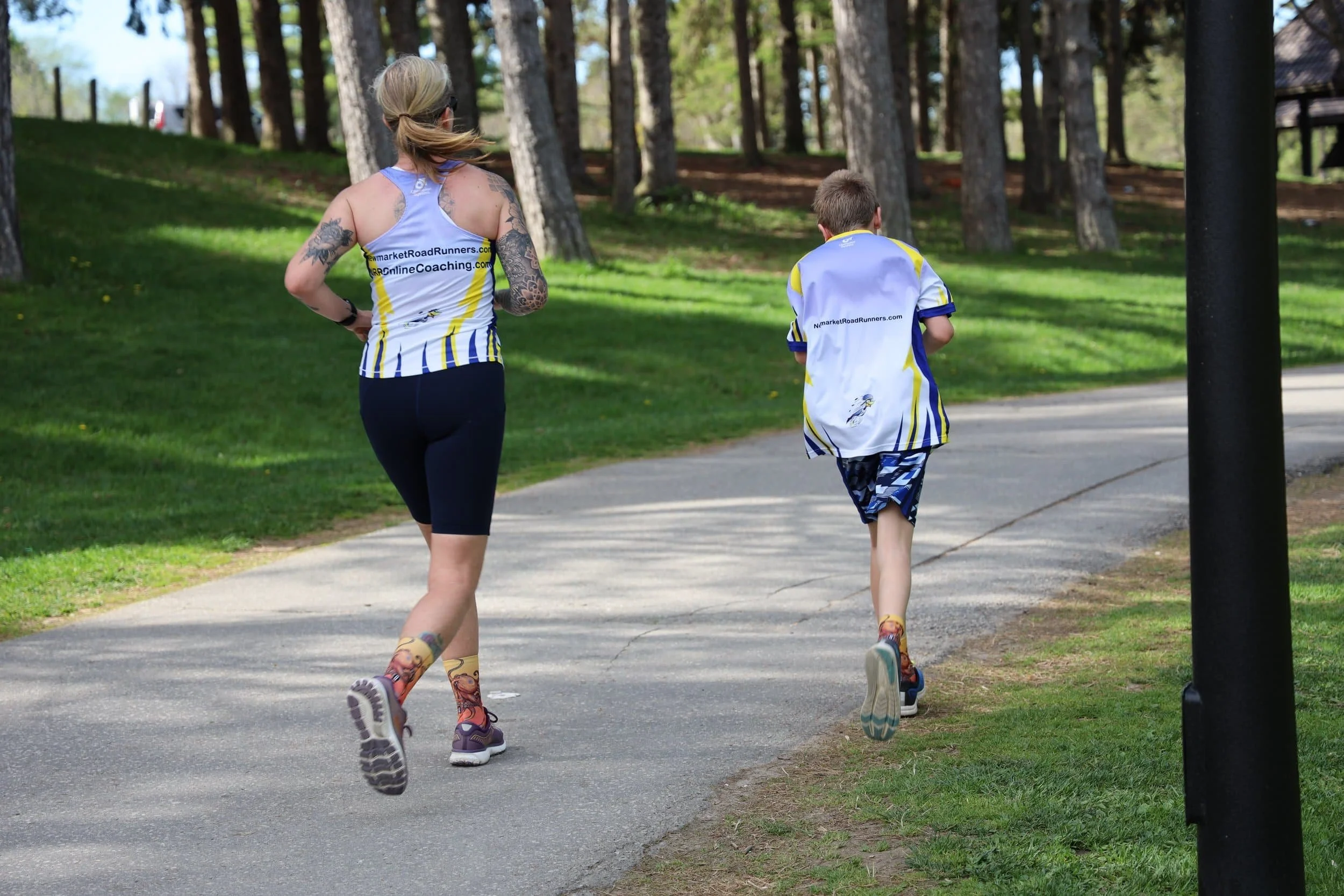
You care about being an active role model for your family. You see exercise as a tool for both physical and mental health. You recognize that a mom's body needs to be trained differently, and that strength and core training is important. You also understand the need to be flexible, stay committed, and get creative when it comes to finding time for fitness and family. Your goal to be an Active Mom might not waiver, but how you attain this vision looks different at various stages of motherhood.
Based on my personal experience, as well as many of yours, here's what I've come up with as a quick guide for all stages.
Pre-conception/Get Healthy Stage: You’re assessing whether your physical health will support fertility and pregnancy. You might be considering your weight and stress levels. You have a desire to “be in shape” for pregnancy.
What exercise could look like: Start by meeting the physical activity guidelines. Use exercise as a tool to decrease mental stress. Using resistance training and aerobic exercise to achieve a healthy weight. Make sure your calorie intake supports your activity so as to not impact your menstrual cycle.
Prenatal/Pregnant Stage: Your doctor is recommending exercise. Your energy levels fluctuate. You’re adjusting to the changes in your body. You may experience aches and pains.
What exercise could look like: Aim to meet the physical activity guidelines for pregnant people. Enlist the help of a prenatal exercise specialist. Prioritize muscle groups impacted by pregnancy such as the pelvic floor, core, glutes, and upper back. Consider whether a shift to low-impact aerobic activity is right for you. Include mobility work in your routine. Adjust exercise intensity according to your energy level. Ensure you eat a snack before activity to maintain energy and blood sugar levels.
Newborn/Fourth Trimester: Your newborn baby is your priority. Your schedule is completely unpredictable. You feel disconnected from your body (even if you were active during pregnancy). Your tissue is healing. You are sleep-deprived.
What exercise could look like: Recovery is your priority. If you’ve had a c-section or any vaginal delivery complications, healing before increasing activity is key. When you’re ready, begin with stretching and activation of your deeper core muscles through breath. Try to reconnect with pelvic floor muscles (see a pelvic floor PT). Take short walks with the baby in the stroller. Walking is a great form of exercise early on in addition to your short 5-10 minute bouts of core strengthening. Gradually increase the duration of your walks and add bodyweight strength exercises. Focus on posture and stretching.
Baby’s first year/Postpartum: You’re still tired, but you’re feeling motivated to start to feel like yourself again. You have very little time for yourself and your schedule is dictated by baby/work/family. You may be feeling the overuse aches in your feet, wrists, and back from taking care of the baby. Hormones may still be shifting. You may have weight loss goals. Your abs are different and the pelvic floor may be giving you trouble.
What exercise could look like: Enlist the help of a postnatal exercise specialist. Walking is still one of the best modes of exercise because it can be conveniently worked into your day, outdoors can boost your mood/energy, and your baby can join you. Gradually progress in your core exercises, but still prioritize deep abdominal muscles and pelvic floor through breathing. You can begin to incorporate more strength training, with a focus on movement patterns (squats, deadlifts, lunges), core, and muscles to help with aches like upper back and glutes. You’ll have the most success with short 10-15 minute bouts of exercise each day.
Toddler years/Pre-Conception: You still may be juggling an inconsistent schedule with naps and nighttime sleep habits, but you’re less sleep-deprived. Your energy is challenged by keeping up with a toddler. You’re starting to feel like yourself again, but may not be completely pleased with your inconsistent exercise routine. You might be motivated by the fact you’re going to try for another baby, or the idea that your body won’t endure another pregnancy…either way, you want to ramp up your fitness routine. You appreciate the role of physical activity in your mental health, but also the fact you now have to role model healthy behaviors for your family.

What exercise could look like: Assuming you’ve rebuilt your core strength and have a fitness foundation, you have many options for exercise. Strength training should still play a major role in helping you meet the demands of motherhood, and continue to build the body you aesthetically want (aim for a minimum of two times per week, more if you’re really aiming for muscle definition or weight loss). Aerobic activity can vary according to your likes. Consider home workouts not just for convenience, but to begin to model exercise to your children as a habit and priority. Your child will most likely try to interrupt. Try to remain patient, but also firm in letting them know it’s important to you. Ask them to join. Thirty-minute workouts are probably the most feasible, sneaking in longer ones when you can/if you want. Outside of structured workouts, walks, hiking, and playground activity are great ways to be active with the family, and encourage your child to love activity too.
School-age years/perimenopause: Just when you think you’ll get some time back, your child starts to have their own activity calendar. Your energy and time balancing fitness and family is manageable but has to be intentional. You’ve learned that mornings might be your most reliable time for exercise. You might be back to some of your old activities or taken up new ones. Your postpartum hormones are stable, but you might be experiencing minor symptoms of menopause, finding that your body fat distribution is changing/feeling like your metabolism isn’t functioning like it used to. You might be experiencing more anxiety or depression.
What exercise could look like: Exercise is a great tool during this stage to manage stress, promote mental well-being, spend time with your older child, prepare your body for the changes associated with age/menopause, and as a social activity with your friends. Strength training should still be a major component. This will be the key to protecting your bones as you get older and maintaining the physique you’ve grown to love. This stage is an opportunity to start exploring new activities with your child like hiking, ice skating, tennis, or biking. Aiming to exercise at least 30 minutes most days of the week is your goal. Strength training at least 2-3 times per week is ideal and will help maintain lean body mass. It’s basically the stage you’ve been working so hard for….you get to be a healthy and active mom, enjoying physical activity by yourself and with your family!
Returning to Exercise After Covid

Are there dangers on returning to exercise post Covid? That is still something being studied, but we do know there are long term effects from Covid and because of possible complications there should be guidelines on how to return to physical activity. There is increasing evidence that “long Covid” symptoms can include cough, elevated resting heart rate, and extreme fatigue. Cardiac damage is also a concern, especially in athletes returning to sport post virus. The American College of Sports Medicine is one of the first organizations to provide guidelines based on your level of risk.
Low Risk: If you are under the age of 50 with asymptomatic or mild respiratory symptoms that resolved within seven days.
When to return to activity: Rest for at least ten days after being diagnosed. Once asymptomatic for seven days then follow a gradual return to exercise without evaluation.
How to return to activity: You should first return to normal daily routine and sleep patterns. You should be able to perform daily activities and be able to walk 500 m (.31 miles) on a flat surface without fatigue or shortness of breath. Your first workout should be light intensity for a duration of 15 minutes. If you feel your energy is as it was post covid, you can increase the duration during your next workout. It’s recommended you begin with bodyweight exercises and then progress to heavier resistance and sports. *Athletes should engage in at least two weeks of minimal exertion activity before resuming sport.

Intermediate risk: If you had symptoms or fatigue lasting for more than one week, or prolonged shortness of breath/chest pain that did not require hospitalization.
When to return to activity: it is suggested that you be evaluated with an EKG and troponin test if you have an abnormal EKG. A personalized exercise prescription is recommended.
How to return to exercise: a specialist team should create a personalized exercise prescription
High risk: if you were hospitalized or experienced shortness of breath or chest pain at rest or with basic daily activities.
When to return to activity: it is suggested that you be evaluated with an EKG and troponin test if you have an abnormal EKG.
How to return to exercise: a specialist team should create a personalized exercise prescription
A gradual return to exercise will help mitigate risk. Working with an exercise physiologist and care team is to your benefit as we continue to learn more about Covid-19 and exercise.
Below is an example of a low risk return to exercise progression. You should make sure you recover from each workout and that no new/returning symptoms occur. Contact your doctor if you experience any chest pain, irregular heartbeat or shortness of breath. This progression may take place over a 1-2 month period.
Stage 1: Mobility/Flexibility and light walking
Stage 2: Continue to build up walking intensity and duration
Stage 3: Moderate intensity aerobic exercise and bodyweight resistance training (one day of exercise interspersed with one day of recovery)
Stage 4: Moderate intensity aerobic activity and resistance training (moving up to two days of exercise and one day of recovery)
Stage 5: Attempting your baseline level of activity, ramping up intensity to moderate/vigorous.
This post is an interpretation of an article titled Safe Return to Physical Activity After Covid-19.