
Active Mom Insights
Blog posts by Ashley Reid

Taking Care of Your Pelvic Floor During Exercise
You may not have known anything about pelvic floor muscles until pregnancy or after having a baby. Most likely, you’ve heard two things 1) you should do kegels to strengthen them, and 2) problems with these muscles can cause incontinence.
Those two things are a good start, but I’d love to provide you with a bit more education so that you feel empowered to care for these muscles and/or continue to exercise if you’re dealing with pelvic floor muscle dysfunction. In this post, we’ll talk about where the pelvic floor muscles are located and their function, common problems that can occur, and four ways to engage and protect them during your workout routine.

What are pelvic floor muscles?
Your pelvic floor muscles form a hammock-like layer across the base of your pelvis. They stretch from your pubic bone in the front to your tailbone in the back. I’ve also heard them referred to as a trampoline, which should be taught and durable. Here are a few things to know about their function:
When these muscles contract, they lift up and support your pelvic organs.
When you bear down, like when sneezing or lifting something heavy, the pelvic floor stretches and lengthens to accommodate the pressure created in your abdomen.
Additionally, your pelvic floor muscles play a role in sexual function. When these muscles are too tight you might experience painful intercourse. Strong functioning pelvic floor muscles can help you achieve greater sensation during orgasms.
Pelvic floor muscles play a role in continence, allowing you to have control over elimination, including passing gas.
Lastly, they play a role in spinal and pelvic stability as a member of the core muscle-stabilizing team.
Common Pelvic Floor Issues in Moms
Factors like pregnancy, childbirth, and aging can impact the function of these muscles. They may weaken due to the weight of the uterus, or they may become too tight due to the birthing process. Either way, if they’re not functioning as they should, it can lead to incontinence, prolapse, and impact your core strength.
Most of you are probably aware of the connection between pelvic floor muscle function and incontinence. Did you know that there are two types of incontinence?
Stress incontinence causes leaking of urine when you cough, laugh, sneeze, or during exercises that involve impact, breath holding, or bearing down.
Urge incontinence is when you have the sudden urge to urinate and may not be able to hold it. An example often given is that you know you have to use the bathroom and right before you get to the toilet the urge gets stronger and you can’t prevent urinating.
The majority of incontinence for moms is stress urinary incontinence, however, some moms will also struggle with fecal incontinence which is the inability to control bowels. This can happen due to trauma during the delivery process.
Another condition that involves the pelvic floor muscles is pelvic organ prolapse. Because the pelvic floor muscles support your organs, if there is a dysfunction this can cause organs like your uterus or bladder to drop into the vaginal wall. Picture a hammock or trampoline that can’t support the weight of the person on it…it begins to sag toward the ground. In some cases, the organs can extend outside of the vagina.
The good news is that pelvic floor physical therapy is more widely available and we’re learning more about lifestyle changes and exercise that can treat, improve, or help you cope with these conditions. Additionally, qualified exercise professionals should be able to prescribe exercises that support your efforts to improve pelvic floor function.
Four Ways to Engage, Strengthen, and Protect Your Pelvic Floor During Exercise
As I mentioned, either while you’re in pelvic floor physical therapy, or after you’ve been discharged, a qualified exercise professional can help you engage, strengthen, and protect your pelvic floor during strength workouts. Here are a few strategies you can implement during your workouts:
Coordinate your breath: Your pelvic floor muscles are the basement of your core, where the diaphragm is the ceiling. The cylinder which is your core will function optimally when both of those muscles work in synergy. When you exhale your pelvic floor muscles are lifted and when you let the breath out your pelvic floor relaxes. The diaphragm should move in the same direction, descending on your inhale and rising on your exhale. Coordination of these two muscles isn’t always easy, especially when movement is involved. However, it’s important enough to master so that you’re not putting excessive pressure on the pelvic floor muscles.
“Close the holes” or "Blow before you go”: I can’t take credit for these terms as I’ve heard them from several pelvic floor physical therapists. The strategy is to engage the pelvic floor muscles right before you’re about to lift something heavy. Imagine closing your anus as if you’re trying to not pass gas. This will activate your pelvic floor right before there is increased abdominal pressure. You can also try “blow before you go”, which means that right before you’re going to lift, you begin the exhale. Again this can help manage pressure pushing down on the pelvic floor muscles.
Avoid impact exercises postpartum until you’ve dedicated time to resistance training: The postpartum running guidelines suggest a minimum of 12 weeks of progressive exercise, including resistance training. However, if you’re having symptoms of pelvic floor muscle dysfunction, this may take longer. When you’re ready to add higher impact activities, start with fewer reps and shorter duration. Take your time to progress and build up. You wouldn’t go from lifting a 5-pound dumbbell straight to 50 pounds, would you? It’s worth mentioning that there aren’t prenatal running guidelines and plenty of moms do run during pregnancy, but if you’re noticing symptoms, that may mean your pelvic floor muscles can’t handle the impact and it’s probably best to move to low impact options.
Remember that pelvic floor muscles are muscles: We all understand the concept of challenging a muscle in order to make it stronger and stretching muscles to relax and lengthen. The same goes for pelvic floor muscles. If you have a weak pelvic floor, you don’t want to avoid core training altogether because it’s going to need the challenge of the exercise to get stronger. If you’re not having symptoms, it’s also important to learn how to contract and relax those muscles. The easiest way to do this is by focusing on breath and core stabilization during strength training. If your core muscles are working together, your pelvic floor muscles will maintain/gain strength. If you prefer isolated exercises, you can throw in kegels of different durations (long contractions and quick contractions).
Education should be empowering. As you learn more about your body, don’t let it cause fear. Research around core stability exercises benefiting the pelvic floor muscles is increasing, which is an incredibly positive thing. So whether you’re experiencing any of the named conditions, or if you’re concerned about atrophy as you age, or if you just want a well-rounded core program, take the time to become familiar with your pelvic floor muscles.
If you’re ready to put core training to reduce your risk of incontinence and back pain into practice, consider my free 5-day core course.
Happy training!
Designing a Personalized Fitness Plan
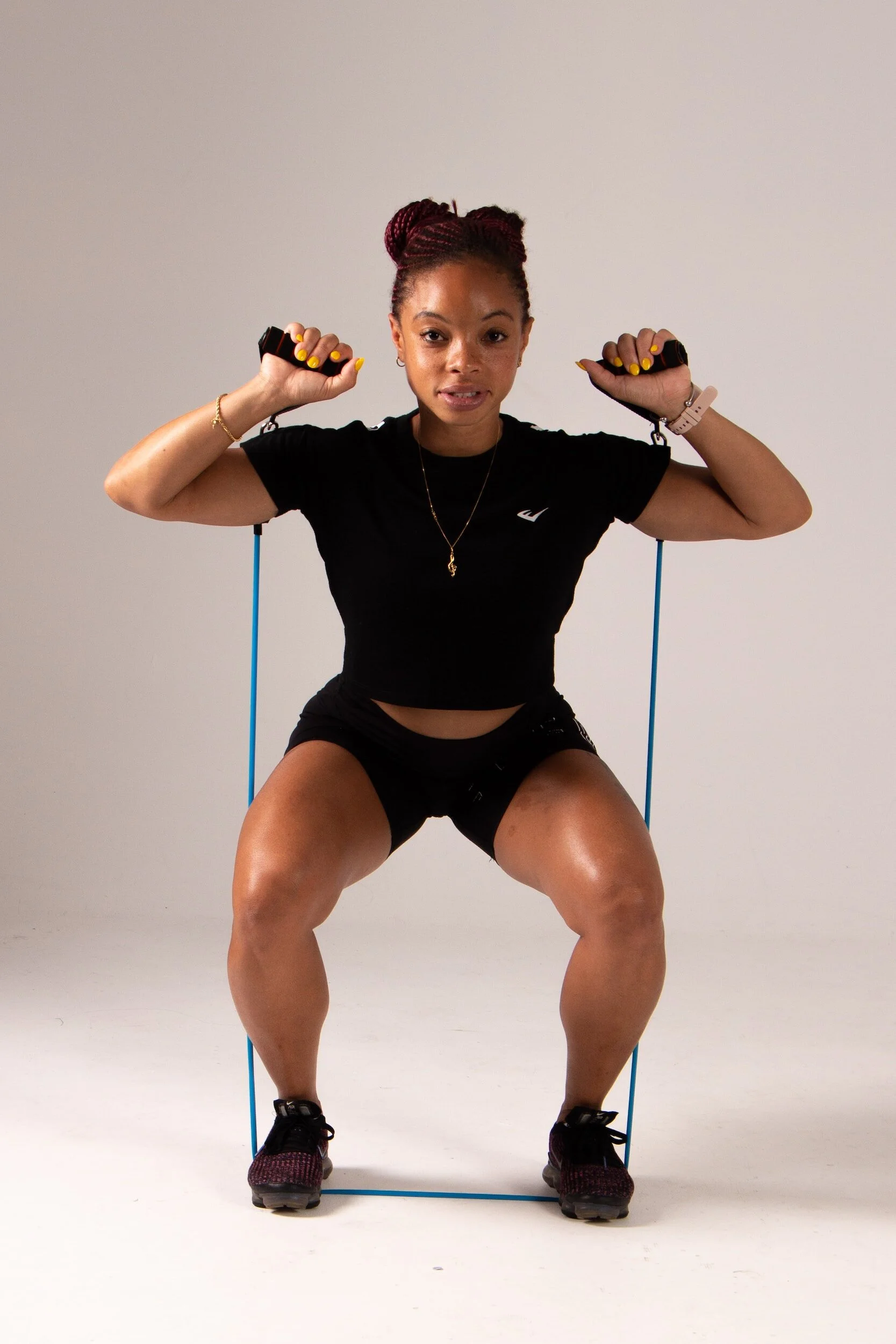
Don’t get me wrong, I love seeing so many apps like Nike and Peloton offer prenatal and postpartum workouts. However, the downside is that most moms will jump around to different workouts and won’t “personalize” their exercise program.
When I talk about a personalized workout plan, I’m referring to developing and following an exercise regimen specifically for you. This doesn’t mean you have to work with a personal trainer or that every exercise session needs to be planned specifically for you, however, that is the ultimate way to make sure you have a customized exercise plan.
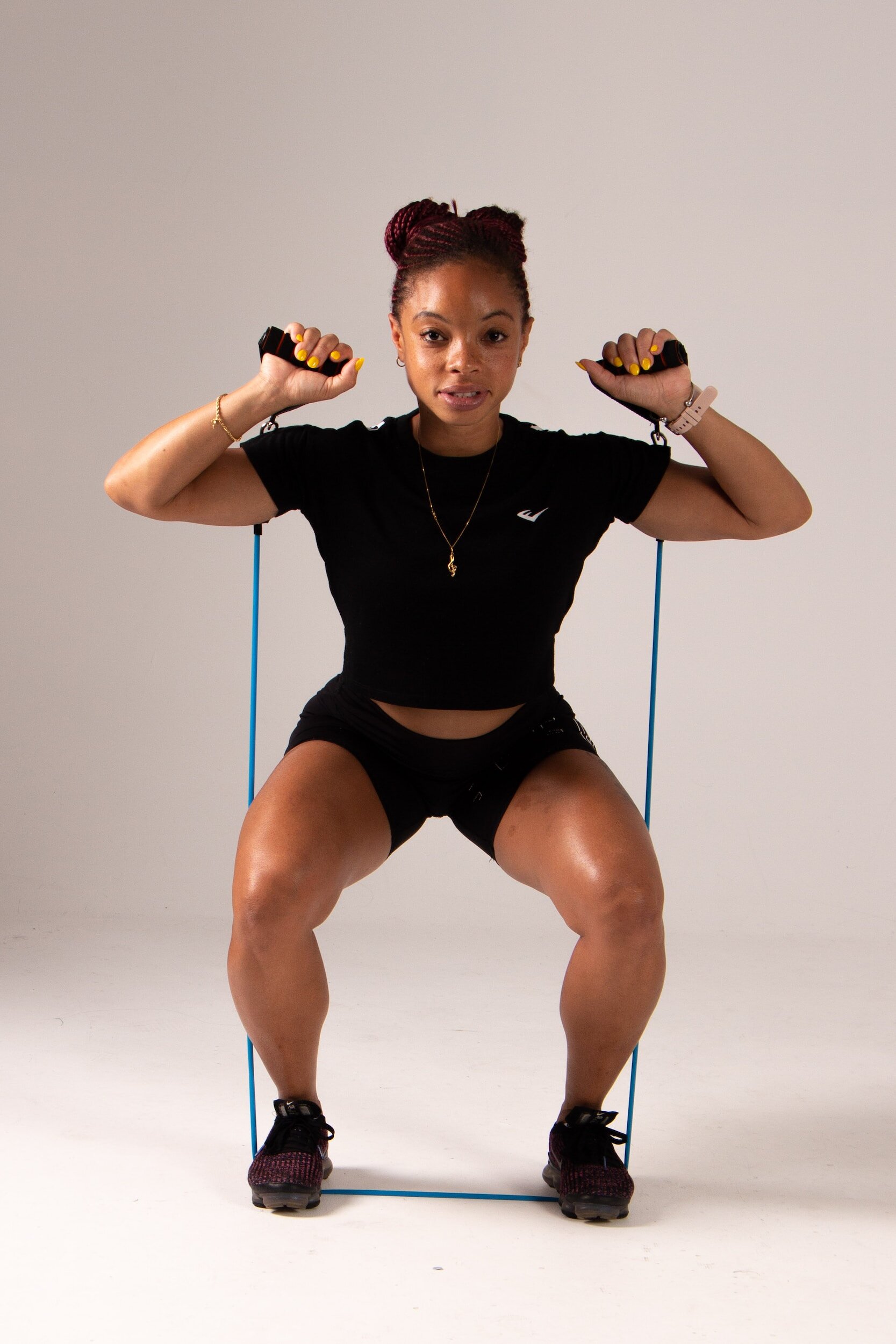
Personalization just means that you’re aware of what you need, and what it will take for you to reach your goals. You can still try different apps or studio workouts, but you should be intentional in the classes you’re choosing, when you’re doing them, and how you’re recovering from them.
Motherhood is a time to be strategic in your plan and stay away from haphazardly following fitness influencers and trends. Personalizing your fitness routine will help you stay consistent and see the results you’re working toward! Exercise can be your biggest mental and physical health tool if you approach it the right way!
What are the benefits of personalizing your mom fitness program?
Personalization is advantageous for all moms, but particularly when you’re training during and after pregnancy. Your prenatal exercise routine and postpartum fitness plan should most definitely be customized. With a tailored regimen, you can expect:
Workouts that fit into your daily routine. With a personalized plan, you design the workout schedule around your existing commitments (which often fluctuate as your child goes through different phases, so be ready to adapt often).
Personal goal achievement. Generic plans only help you meet general goals. If you have specific goals, then you need a targeted workout plan. For example previous to pregnancy you may have been training for toned abs, but during pregnancy, this is not your aim so your plan needs to change so that it aligns with your prenatal goals.
A safe progression in exercise. A personalized plan will have you progress at a pace appropriate for your individual fitness level. Each workout should build on the previous one.
Faster results. Don’t spend your precious time and energy on exercises that may not be your priority. Instead, customize your plan for effectiveness and efficiency. For example, you may have liked using the elliptical machine during pregnancy, but if your main focus postpartum is alleviating back pain then the majority of your effort should be spent on core stability workouts instead of sweating away at the gym.
So how do you personalize your fitness routine?
The first step is being self-aware of the factors that you should account for. Here are a few examples of things to consider when planning for fitness success:
Current Energy Levels
Physical Injuries or Conditions
Lifestyle Factors
By reflecting on your unique situation and needs in areas like these, you can craft a fitness routine with purpose. Try this self-assessment as an initial step toward personalizing your exercise program.
Evaluate Often
As you move through motherhood your needs WILL change so remain flexible and be willing to reassess. Your needs in your second trimester may be different than your first trimester, and your progress postpartum may be slower than expected. Be ready to make adjustments so that your fitness journey is fluid and customized.
No one-size-fits-all workout plan can give you the same benefits as a thoughtful and personalized plan. I'm on a mission to help moms feel strong and confident by taking control of their fitness journey. I hope I’ve inspired you to determine a clear direction for your unique needs so that you can develop a fitness plan that works for you!

Exercising with Diastasis Recti - Four Tips for Moms
The physical changes to your body during pregnancy don't immediately disappear postpartum. One common change is diastasis recti abdominis (DRA), also known as abdominal separation. While this might sound intimidating, it's essential to recognize that DRA is a natural part of pregnancy in order to make room for your growing baby. It's also important to note that if you have abdominal separation, with the right guidance, you can regain core strength and confidence, and return to physical activity and exercise.

Understanding Diastasis Recti:
Diastasis recti, or abdominal separation, occurs as the linea alba (the connective tissue that runs vertically in the middle of your abs) widens and weakens to accommodate your growing baby. This caused your rectus abdominis (six-pack abs) to separate from each other. For some moms, the linea alba naturally tightens post-birth, bringing your rectus abdominis muscles closer together again. For others, the separation can persist, leaving a gap. The opinion about diastasis recti has shifted to such that rehabilitation is less about closing the gap, and more about being able to create tension so that your core can act as the stabilizer that it is designed to be.
Pelvic Floor Physical Therapy/Women’s Health PT
Many moms will look toward physical therapists for support. During your treatment, you'll focus on core muscle activation and breathing. This may result in your gap closing, but even if it doesn't you'll learn to have a strong and functional core so that your DRA doesn't impact your quality of life. It’s important to trust the process even if the exercises feel too basic. The basics are what create a strong fitness foundation so that you can progress and reach your postpartum fitness goals.
Exercise After Physical Therapy
After you've focused on core muscle coordination and have regained some strength, you'll be discharged from PT. You may then wonder what's next and still have questions about what exercises are safe. The key here is to realize that there is no one-size-fits-all approach. It's about personalizing your fitness program and performing exercises that allow you to have core strength and control. I've worked with many postpartum moms returning to exercise while managing abdominal separation, or after pelvic floor physical therapy and I’m happy to share my insight with you.
Tips & Strategies for Exercising with Diastasis Recti
Note, that it is recommended you work with a qualified postnatal fitness professional or see a pelvic floor physical therapist if you're looking for diagnosis or treatment.
Gradual Progression: Start with exercises that focus on activating your deepest core muscle the transverse abdominis. Move to coordinate that muscle activation with breath and pelvic floor. Progress to more complex movements gradually, incorporating resistance, repetitions, and different positions.
Manage the pressure you create within your abdominal cavity: Be mindful of everyday activities that increase your intra-abdominal pressure, such as sneezing, coughing, or lifting. Use your transverse abdominis activation strategies and breath to help manage the pressure and force on your healing abdominal wall.
Exercise Selection: Choose exercises that align with your core strength and function. There isn’t a definitive list of “bad exercises” or “exercises to avoid if you have diastasis recti”. Rather it should be based on your personal ability. If you can lift 20 pounds fairly easily without having to bear down or hold your breath, then that exercise may be appropriate. However if someone else goes to bench press 20 pounds and struggles and grunts and has to create a lot of pressure in the abdomen to perform the movement, then that exercise should be avoided until the core is stronger and the tissue is more healed. Most people will void high-impact or heavy-lifting activities initially.
Muscle Recruitment: Pay attention to recruiting the right muscles at the right time. For example, many people think of the chest, shoulders and arms for a push-up and don’t realize that it is very much a core exercise. To stabilize the spine during a push-up your core muscles should engage. Ensure your deep abs activate for stability before movement.
Avoid back pain and incontinence
Although more research needs to be done when it comes to diastasis recti impacting pain and incontinence, many moms that I work with who are concerned about abdominal separation are also concerned about incontinence and back pain. Both of those conditions are common during and after pregnancy so their concerns are valid. Rather than fearing these conditions, I created a free 5-day program to empower you and educate you on how to have a strong and functional core in order to reduce your risk of pain and leaking when you sneeze or cough. By understanding your body and following a tailored fitness approach, you can confidently navigate your fitness journey with diastasis recti or any other condition resulting from pregnancy.
Ready for more tips? Download 5 Tips for a Stronger Core After Pregnancy.

Apply Four Blue Zone Secrets to Motherhood
For moms, living a long healthy life means seeing our kids grow up and witnessing who they become. In areas called Blue Zones, certain lifestyle habits help residents live to 90, 100, or beyond. Genetics plays a role, but researchers have found it’s our daily behaviors and environment that play a bigger role. So what can moms learn from the Blue Zones in order to live a long happy and healthy life with our children?
For moms, living a long healthy life means seeing our kids grow up and witnessing who they become. In areas called Blue Zones, certain lifestyle habits help residents live to 90, 100, or beyond. Genetics plays a role, but researchers have found it’s our daily behaviors and environment that play a bigger role. So what can moms learn from the Blue Zones in order to live a long happy and healthy life with our children?

Plant-based Isn’t a Fad
In Blue Zones people are eating minimally processed, plant-based foods like fruits, beans, vegetables, and whole grains. Note, that these are not the processed plant-based foods you find in the freezer section. Although Most Blue Zone residents aren’t vegetarians; they just eat meat less often and in smaller portions so plant foods dominate their diet.
Tips to add more plant-based foods:
Eat more plant proteins like chickpeas and lentils
Try “meatless” Mondays
Consider meat a side rather than the main portion of the dish
Make it a challenge to introduce your child to a new plant food each week
Move More
Blue Zone residents are physically active throughout daily life. They avoid long sedentary periods and can be seen gardening, or doing tai chi. In one study in the British Journal of Sports Medicine they found that for each additional 30 minutes of sedentary time on a typical day, men were 17% more likely to die during the five-year study. However, each 30 minutes of light activity reduced the odds of death by 17%. So for moms that have a hard time fitting in workouts, your daily physical activity is just as important, if not more. You can still have an extremely positive impact on your well-being without hitting the gym.
Tips for moms:
Working from home? Aim to get up between meetings to stretch or take one walking meeting each day
Get the guidance you need to stay active during pregnancy and return to exercise after having a baby.
Rather than sitting on the park bench, chase your child or push them on the swing
Distribute chores throughout your day versus all at once
Make family time active with weekend activities like hikes or biking
Eat Mindfully
People living in the Blue Zones focus not just on what they eat, but how they eat. There isn’t mindless munching on an entire bag of chips while watching TV, instead, they’re putting their fork down between bites and are intentional about how they’re eating, usually stopping when they are 80% full. Residents experience more joy from their food and tend to practice better portion control through mindful eating.
Tips for moms:
No screens during meals
Make time for meals so that you’re not rushing
Stop before you’re full
Substitute the Facebook Groups for Real groups
Close community ties help Blue Zone residents stay active and happy. Loneliness, stress, and depression can cause physical health problems. The saying, “It takes a village” isn’t just about the support we need to raise our kids. As a mom, you also need connection and support for yourself and can learn from the benefits of those living in the Blue Zones.
Tips for moms:
Arrange playdates for your kids with parents that you enjoy spending time with so that you can benefit too
Join a prenatal or postpartum fitness, or wellness group
Find a neighborhood mom to go on walks with
Limit social media scrolling and call a friend for a quick chat instead
So although we can’t all live in the Blue Zones, we can take a different approach to what it means to lead a healthy lifestyle. As we’re modeling a healthy lifestyle for our family, we can’t forget about the daily habits that have a profound impact on our lifespan and quality of life. Let’s all try to sit a little less, slow down at mealtime, connect with our village, and consider what’s on our plates.