Active Mom Insights

Blog posts by Ashley Reid
Ashley Reid Ashley Reid

Beyond the Hospital Bag: Overlooked Postpartum Prep
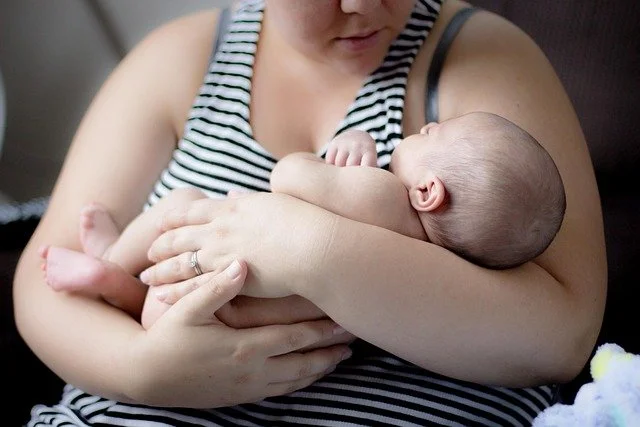
mom holding sleeping baby in arms

What Do New Moms Need at Home Postpartum?

Much of your pregnancy prep will focus on what to pack in your hospital bag or what to put on your baby registry, but there are a few simple things you can prepare for to make your postpartum experience a little easier. These aren’t complicated; they’re just practical things you may not think about until you're already in the thick of it.

Here are some suggestions to help you feel more supported at home in those early weeks.

Hydration You Don’t Have to Think About

One of the simplest ways to support recovery and breastfeeding is by drinking enough water, but when your days are filled with feeding and changing diapers, it can be easier said than done. I recommend filling a few stainless steel water bottles and keeping them in the places around your home where you spend the most time: your nightstand, couch, and feeding chair. I can remember several times after feeding my daughter, her falling asleep on me, and me being stuck on the couch, wishing I had my water bottle, thinking about nothing but thirst, and not waking a sleeping baby.

To mix things up, you might enjoy mixing in electrolyte powders occasionally. There are plenty of clean options that aren’t overly sweet or artificial.

Easy Food That Supports Postpartum Recovery

You won’t always have time (or hands) to make a full meal. Having easy-to-grab, nutrient-dense snacks like protein bars, trail mix, and yogurt drinks can give you quick energy and keep you from running on empty, which affects everything from your mood to your milk supply.

Snacks high in fiber can also help prevent constipation, which is a common issue in the early postpartum weeks. Hormone changes, pain medications, and decreased movement all play a role. A fiber-rich diet, along with staying hydrated, can reduce straining, which is especially important for protecting your pelvic floor muscles.

If you were given antibiotics during labor or recovery, adding a probiotic supplement or probiotic-rich foods may help support your gut health and reduce digestive issues.

Small Comforts That Matter More Than Expected

Joint pain often begins from the ground up, and if you’re rocking back and forth on hardwood floors or spending more time at home barefoot, you may notice discomfort in your feet, knees, or hips. Consider purchasing a new pair of slippers or house shoes that take into account arch support if your feet have flattened or a larger size if your feet have grown during pregnancy. 

A baby-safe laundry detergent is another good item to have on hand. Newborn skin is sensitive, and it’s common to see rashes or irritation from heavily fragranced products. Starting with a gentle detergent can save you from having to troubleshoot later.

And finally, if you drink coffee or tea, a mug warmer is a must. Instead of reheating the same cup over and over, you actually get to drink it warm, even if it takes you three hours. Eliminating the frustration of cold coffee goes a long way.

Final Thoughts

You won’t be able to plan for everything postpartum, but having a few of these things ready can make those early days feel a little less overwhelming. It’s not about creating the perfect setup. It’s about making small choices now that support your body and ease some of the mental load later.

FAQ

Q: What are the most overlooked postpartum essentials?

A: Most postpartum prep focuses on the baby, but a few things make a real difference for mom at home. Strategically placed water bottles, easy grab-and-go snacks that are high in fiber and protein, supportive house shoes, and a mug warmer are small purchases that reduce daily friction in ways you won't anticipate until you need them.

Resources

In addition to supporting moms during and after pregnancy through exercise and core training, I serve as a human health contributor for Grove Co. Grove brands are carefully vetted by expert physicians and meet a higher standard for human and environmental health. Their Healthier Home Guide makes shopping for non-toxic water bottles, quality probiotics/fiber supplements, and natural laundry detergents easy.

Read More
active mom movement Ashley Reid active mom movement Ashley Reid

The Rise of the Active Mom Movement

If you're reading this, chances are you're part of the powerful movement of moms committed to exercising through pregnancy and beyond. You should feel empowered and proud to be part of this growing revolution. I recently presented at a global conference for the fitness industry and shared information on trends, challenges, and opportunities. I thought you might be interested to see what’s happening in Mom Fitness, too!

Exercise During Pregnancy and Postpartum: Where the Field Stands and What Moms Deserve 

More moms than ever are prioritizing prenatal fitness and returning to exercise after baby, and the research is finally starting to catch up. The field of maternal exercise science is growing, evidence is building, and the conversation around what moms can and should do physically through pregnancy and postpartum is shifting.

A Glimpse at Mom Fitness Today

I've been fortunate to witness just how many moms are prioritizing physical activity and fitness during and after pregnancy. At Active Mom Fitness in Philadelphia, PA, we use functional strength and core training as a tool so that moms can comfortably adapt to the body's changes during pregnancy and safely return to physical activity after having a baby. It's evident with apps like Peloton adding natal options, and the number of elite athlete moms competing during and after pregnancy, that exercise and sport during and after pregnancy is here to stay.

Unfortunately, the fitness industry hasn't quite caught up with this demand. Maternal exercise researchers are moving us forward, but we've gone years without sufficient prenatal or postpartum-specific studies to inform exercise programs, especially when it comes to more vigorous activity and sport. There is a recent study that I hope fitness professionals get their hands on. Researchers show that both the mother and the fetus can tolerate high-intensity exercise (they did 10, 1-minute intervals at 90% or more of their maximum heart rate). Of course, every pregnancy is different, and your individual fitness level, abilities, and pelvic floor muscle tolerance matter. But isn't it motivating to see more evidence backing this up so you can feel safe doing the activities you enjoy? I hope maternal researchers continue to push this field so that moms have evidence-based exercise programs to follow through motherhood.

A stat that I hope improves is that up to 60% of pregnant mamas aren't getting adequate exercise guidance from their doctors. Although doctors are not trained in exercise prescription, with collaboration between obstetricians and qualified pre/postnatal exercise specialists, this gap can be closed. Moms don't deserve to feel overwhelmed and alone navigating exercise through motherhood; we have enough on our plates! The increased awareness through professional athletes competing and moms like yourself demanding more support will help our cause, but there is still work to be done.

It’s Not Easy

Despite this movement toward more exercise and activity through the stages of motherhood, moms face very real barriers. You may have to deal with mixed messages about exercise. One day it's "put your feet up," and the next it's "slay your bounce-back goals!" You have misguided influencer narratives to contend with and old-school thinking to debate.  

One element that I always educate fitness professionals about in my continuing education courses is the fear factor. If you've ever felt intimidated, anxious, or confused about working out during or after pregnancy, you're not alone. For many, a difficult conception journey, traumatic birth experience, or even mom guilt can enhance anxiety and fears around exercise, and you may need support to navigate those feelings.

And of course, there are always the obvious challenges like fatigue, aches, nausea, and the whole life-changing experience of new motherhood. This is where tailored support and a like-minded community just for moms is helpful. Trust me, as a mom myself and after working with hundreds of moms, “I get it,” and I want to help you get through it so that you can exercise until your due date, and feel confident getting back to physical activity after having your baby.

Start with one of my courses, the Active Mom guide, or the free video tutorials.

What I Want You to Take Away

  1. If you're continuing to set goals, seek support, and keep moving then you're part of this amazing growing movement of Active Moms and you should be proud.

  2. Based on the research, the field of pre/postnatal exercise and sport is growing, but we're not where we need to be. However, when it comes to healthcare and fitness, work with people who are seeking updated evidence so they can provide you with the best support.

  3. There will always be challenges. Know it's a journey through motherhood and it doesn't have to look perfect. Find someone who can help you navigate the challenges and sift through the noise.

Let’s keep moving, moms! It’s time for you to master mom fitness.

Read More
Ashley Reid Ashley Reid

The Best Pregnancy Exercises for Beginners

I’m assuming since you’re reading this that you are new to prenatal exercise, so let’s take a second to acknowledge the important step you’re taking for the health of you and your baby.

In this article, I want to share with you advice on choosing cardio and strength exercises, but first, I have a disclaimer. I don’t like using the word “best” because there is no “best exercise for X trimester”. Every prenatal exercise program should be personalized, and exercise selection should be based on your needs and abilities. However, as a beginner, you may not realize what those exercises are or where to begin, so this article is to help get you started so that you can stay physically active during pregnancy. If you haven’t exercised in a while or never have exercised before, this article is for you.

Best Cardio Exercise During Pregnancy

The prenatal exercise guidelines recommend accumulating 150 minutes of moderate activity each week, and aerobic or cardio exercise is one component of physical activity. As a beginner, it’s important to understand intensity and progression. Unless you’ve been told otherwise, I’d recommend moderate-intensity exercise. Rather than relying on your heart rate during pregnancy, determine your intensity based on how hard it feels you’re working. You’re experiencing many cardiovascular changes, so heart rate monitoring may not be the most reliable for you. The good news is that research indicates using a scale that measures your perceived exertion correlates well with heart rate zones. Moderate-intensity exercise should feel like your overall workload during the workout feels like a 4-5 on the modified Borg scale. You can also consider the talk test. Moderate-intensity exercise should feel like you can talk, but you’re too winded to sing. 

To reap the benefits of aerobic activity, you do need to challenge yourself, so keep in mind that if you’re walking at a pace of 3mph on the treadmill now and that feels like moderate intensity, as you progress and become more aerobically fit, you may need to increase the speed or incline to reach that same intensity. I say may because as you progress in pregnancy, you also might feel more winded due to the baby taking up more space. This also means that although casual walks are great because moving is important during pregnancy, to receive aerobic benefits, your walking intensity needs to be more than a leisurely stroll. 

The other advice I’d give you to determine the best cardio exercise during pregnancy for beginners is to consider the impact level of aerobic exercise. Impact refers to how hard the exercise is on the joints. The harder the exercise on the joints, the more muscle strength is required to endure the impact and prevent injury. Exercises are usually categorized as high or low impact. Running, skiing, gymnastics, and jumping are examples of high impact. Walking, yoga, biking, elliptical, and swimming are examples of low-impact activities. 

As a beginner, the best aerobic exercise during pregnancy is low to moderate impact. If you’re inexperienced or haven’t worked out in a while, then pregnancy is not the time to test whether your body can handle high-impact activities. Added pregnancy weight may also make high-impact activities more uncomfortable, so choose an activity that you can do safely and comfortably. 

Best Strength Exercises During Pregnancy

The prenatal exercise guidelines also mention strength training as a component of exercise during pregnancy. Health and fitness organizations generally state that resistance training should be performed on all major muscle groups, like the back, chest, quadriceps, and hamstrings, twice per week. Although you may want sculpted biceps or triceps, isolating the smaller muscle groups is not the most beneficial goal during pregnancy. Your priority should be to be able to perform all major movement patterns, which target all of the major muscle groups. 

As a beginner, you’ll reap the benefits of an uncomplicated program. An example of this is a full-body circuit performed twice per week. Your circuit should focus on hitting all of the major movement patterns/muscle groups that you need to be able to move well and without pain throughout each trimester. 

Here is an example circuit

Remember, there are hundreds of exercises and a variety of ways to structure and select them, so feel free to substitute any of them. As you advance, you can vary the exercise by adding more weight, changing the equipment, increasing the reps/time performing the exercise, or going through the circuit for more rounds. Check out the free tutorials for support.

So in summary, the takeaway points are:

  1. The best aerobic exercise for most moms-to-be is going to be low impact and moderate intensity. 

  2. The best prenatal strength program for beginners is one that is full body and covers all of the major muscles/movement patterns, using a resistance that you can perform 10-15 reps without strain or breath holding. 

  3. The best prenatal exercises that help you stay active during pregnancy, are ones that you enjoy and are those that you can do consistently and without pain. 

  4. Your specific exercise selection should be personalized to meet your needs.

One additional side note based on my experience working with beginner moms during pregnancy is that I know it can be hard to find the time and energy to perform separate aerobic and strength training sessions. If you have to choose, select resistance training in a format like the circuit mentioned. This will ensure you’re strengthening muscles and allow you to elevate your heart rate at the same time. You can then add walk breaks throughout the day or after dinner to supplement those structured sessions to meet the recommended minimum of 150 minutes each week.

As always, if you need more guidance, I’m happy to help. You deserve to feel empowered. Start by mastering the major mom movements.

FAQ

Q: Is strength training safe during pregnancy for beginners?

A: Yes, strength training is safe and recommended during pregnancy for most beginners. Prenatal fitness guidelines suggest working all major muscle groups twice per week using a resistance that allows you to complete 10 to 15 reps without straining or holding your breath. A full-body circuit format works well because it builds strength, elevates your heart rate, and doesn't require a lot of equipment or experience to get started.

Read More
Ashley Reid Ashley Reid

How To Start Working Out During Pregnancy and Postpartum

Whether you’re pregnant and want to begin exercising to have a more comfortable pregnancy or are a new mom ready to focus on fitness again, with all of the apps and internet clutter, it can be hard to figure out where to begin. That is why I’m sharing the method I developed and have used with hundreds of moms and moms-to-be. It’s called Core, Function & Fitness (CFF). CFF is an approach. It’s a strategy. It's a guide to help you determine where to begin and what to focus on during your workouts.

Where Should Moms Start with Exercise During Pregnancy and Postpartum?

Start with your core. Whether you're building a prenatal fitness plan from scratch or putting together a postpartum fitness plan after having a baby, the Core, Function and Fitness method gives you a clear order of priority: establish a strong and functional core first, then build toward functional movement, then pursue broader fitness goals. This framework works at every stage of motherhood because it meets you where you are and grows with you.

The Foundation

During and after pregnancy, the foundation of your fitness program should be core strength and function. Core refers to the 360-degree cylinder from your diaphragm to your pelvic floor, including both abdominal and back muscles. A functional core means that your deep stabilizing muscles activate to support your spine before any movement. A functional core also means you know how to breathe (exhale on exertion) with movement, and that you’re treating any pelvic floor concerns like tight pelvic floor muscles or urinary incontinence. A strong and functional core will enhance your ability to advance in exercise and will make daily life more comfortable.

If we look at CFF as a pyramid, “core” is the base layer and what you’ll prioritize when you begin an exercise program. This doesn’t mean that core needs to be your only focus, but if you’re short on time or searching for workouts, this will help you strategize and select the correct exercises. If time and energy aren’t an issue, you can certainly do workouts that are more than core, but keep in mind that if your core isn’t yet strong and functional, you’ll want to ensure any other formats of exercise you’re choosing don’t require more core strength than you presently have.

For example, if you’re pregnant and beginning an exercise program, you can focus on breathing and engaging your abs with each movement you perform. So if you’re doing squats, lunges, and arm exercises, rather than just going through the motion, you’re exhaling on exertion or engaging the deep abs as you curl the dumbbell during a biceps exercise.

Middle of the Pyramid

So now that you’ve spent some time activating your pelvic floor, deep abs, and using your breath, you’re ready to shift your focus to “function”. The term functional training is a bit trendy, so I’ll provide you with my simple definition. Functional training is performing exercises that help you meet the physical demands in your life. This means factoring in the type of job you have, the workouts you plan to do, or the physical demands of caring for your child at different stages. During pregnancy, functional training can involve performing exercises that help you better adapt to the changes your body is experiencing, like strengthening your back because you’re being pulled forward due to the weight of your breasts and belly. Function is the next step in my model because you should be able to feel good moving through your daily life before setting more lofty fitness goals (for example, if your back hurts every time you lift your child, doing an hour spin class maybe shouldn’t be your priority). Functional training also means addressing pain and specific weaknesses. It is easier to attain function when you have a strong core, so for that reason, “function” sits on top of the “core” layer in my pyramid.

Top of the Pyramid

You’re ready to move up the pyramid when you have a solid core foundation, and you’re functionally moving well during the day and your workouts. “Fitness” is the top piece and refers to goals such as muscle definition, weight loss, sports performance, and running. This is the last step along the CFF progression because you’ll have a better chance of achieving fitness when you effectively know how to engage your core and you know how to perform exercises correctly and without pain. I’ll reiterate that it doesn’t mean that you have to wait to set your fitness goals, but increasing your run distance shouldn’t be the priority before you’ve spent time on the other components. When you move to the top of the pyramid, the idea is that you’ve already set yourself up to achieve your specific fitness goals.

For example, if you do have a goal to run postpartum, you can first focus on making sure your core can support proper running form and that your pelvic floor muscles can handle the impact and load. Functional training might include single-leg strength activities so that when you do run, your body is better prepared. 

Summary

I developed the Core, Function and Fitness method to help you prioritize your efforts and make workout selection less overwhelming. The pyramid can also be explained as a pie chart with the percentages of core, function, and fitness components shifting as your needs are being met. Maybe you’re starting with core being 80% of the chart because you just had a baby, but after a few months of training, core might then become just 30%, and fitness takes the majority. This pie chart is a good visual because it emphasizes that you’re never solely focusing on just one thing. All components are important and will be integrated into your plan.

Whether you like the pyramid or the pie chart, the main point I'm making is that this is a tool that can keep you active through all 40 weeks of pregnancy and help you feel stronger than ever after having a baby.

If you're looking for a more comprehensive guide to putting this framework into practice through every stage of motherhood, consider Active Mom: Your Guide to Feeling Strong and Confident in Pregnancy, Postpartum, and Beyond.

Read More