
Active Mom Insights
Blog posts by Ashley Reid
Stages of Being an Active Mom

You care about being an active role model for your family. You see exercise as a tool for both physical and mental health. You recognize that a mom's body needs to be trained differently, and that strength and core training is important. You also understand the need to be flexible, stay committed, and get creative when it comes to finding time for fitness and family. Your goal to be an Active Mom might not waiver, but how you attain this vision looks different at various stages of motherhood.
Based on my personal experience, as well as many of yours, here's what I've come up with as a quick guide for all stages.
Pre-conception/Get Healthy Stage: You’re assessing whether your physical health will support fertility and pregnancy. You might be considering your weight and stress levels. You have a desire to “be in shape” for pregnancy.
What exercise could look like: Start by meeting the physical activity guidelines. Use exercise as a tool to decrease mental stress. Using resistance training and aerobic exercise to achieve a healthy weight. Make sure your calorie intake supports your activity so as to not impact your menstrual cycle.
Prenatal/Pregnant Stage: Your doctor is recommending exercise. Your energy levels fluctuate. You’re adjusting to the changes in your body. You may experience aches and pains.
What exercise could look like: Aim to meet the physical activity guidelines for pregnant people. Enlist the help of a prenatal exercise specialist. Prioritize muscle groups impacted by pregnancy such as the pelvic floor, core, glutes, and upper back. Consider whether a shift to low-impact aerobic activity is right for you. Include mobility work in your routine. Adjust exercise intensity according to your energy level. Ensure you eat a snack before activity to maintain energy and blood sugar levels.

Newborn/Fourth Trimester: Your newborn baby is your priority. Your schedule is completely unpredictable. You feel disconnected from your body (even if you were active during pregnancy). Your tissue is healing. You are sleep-deprived.
What exercise could look like: Recovery is your priority. If you’ve had a c-section or any vaginal delivery complications, healing before increasing activity is key. When you’re ready, begin with stretching and activation of your deeper core muscles through breath. Try to reconnect with pelvic floor muscles (see a pelvic floor PT). Take short walks with the baby in the stroller. Walking is a great form of exercise early on in addition to your short 5-10 minute bouts of core strengthening. Gradually increase the duration of your walks and add bodyweight strength exercises. Focus on posture and stretching.
Baby’s first year/Postpartum: You’re still tired, but you’re feeling motivated to start to feel like yourself again. You have very little time for yourself and your schedule is dictated by baby/work/family. You may be feeling the overuse aches in your feet, wrists, and back from taking care of the baby. Hormones may still be shifting. You may have weight loss goals. Your abs are different and the pelvic floor may be giving you trouble.
What exercise could look like: Enlist the help of a postnatal exercise specialist. Walking is still one of the best modes of exercise because it can be conveniently worked into your day, outdoors can boost your mood/energy, and your baby can join you. Gradually progress in your core exercises, but still prioritize deep abdominal muscles and pelvic floor through breathing. You can begin to incorporate more strength training, with a focus on movement patterns (squats, deadlifts, lunges), core, and muscles to help with aches like upper back and glutes. You’ll have the most success with short 10-15 minute bouts of exercise each day.
Toddler years/Pre-Conception: You still may be juggling an inconsistent schedule with naps and nighttime sleep habits, but you’re less sleep-deprived. Your energy is challenged by keeping up with a toddler. You’re starting to feel like yourself again, but may not be completely pleased with your inconsistent exercise routine. You might be motivated by the fact you’re going to try for another baby, or the idea that your body won’t endure another pregnancy…either way, you want to ramp up your fitness routine. You appreciate the role of physical activity in your mental health, but also the fact you now have to role model healthy behaviors for your family.

What exercise could look like: Assuming you’ve rebuilt your core strength and have a fitness foundation, you have many options for exercise. Strength training should still play a major role in helping you meet the demands of motherhood, and continue to build the body you aesthetically want (aim for a minimum of two times per week, more if you’re really aiming for muscle definition or weight loss). Aerobic activity can vary according to your likes. Consider home workouts not just for convenience, but to begin to model exercise to your children as a habit and priority. Your child will most likely try to interrupt. Try to remain patient, but also firm in letting them know it’s important to you. Ask them to join. Thirty-minute workouts are probably the most feasible, sneaking in longer ones when you can/if you want. Outside of structured workouts, walks, hiking, and playground activity are great ways to be active with the family, and encourage your child to love activity too.
School-age years/perimenopause: Just when you think you’ll get some time back, your child starts to have their own activity calendar. Your energy and time balancing fitness and family is manageable but has to be intentional. You’ve learned that mornings might be your most reliable time for exercise. You might be back to some of your old activities or taken up new ones. Your postpartum hormones are stable, but you might be experiencing minor symptoms of menopause, finding that your body fat distribution is changing/feeling like your metabolism isn’t functioning like it used to. You might be experiencing more anxiety or depression.
What exercise could look like: Exercise is a great tool during this stage to manage stress, promote mental well-being, spend time with your older child, prepare your body for the changes associated with age/menopause, and as a social activity with your friends. Strength training should still be a major component. This will be the key to protecting your bones as you get older and maintaining the physique you’ve grown to love. This stage is an opportunity to start exploring new activities with your child like hiking, ice skating, tennis, or biking. Aiming to exercise at least 30 minutes most days of the week is your goal. Strength training at least 2-3 times per week is ideal and will help maintain lean body mass. It’s basically the stage you’ve been working so hard for….you get to be a healthy and active mom, enjoying physical activity by yourself and with your family!
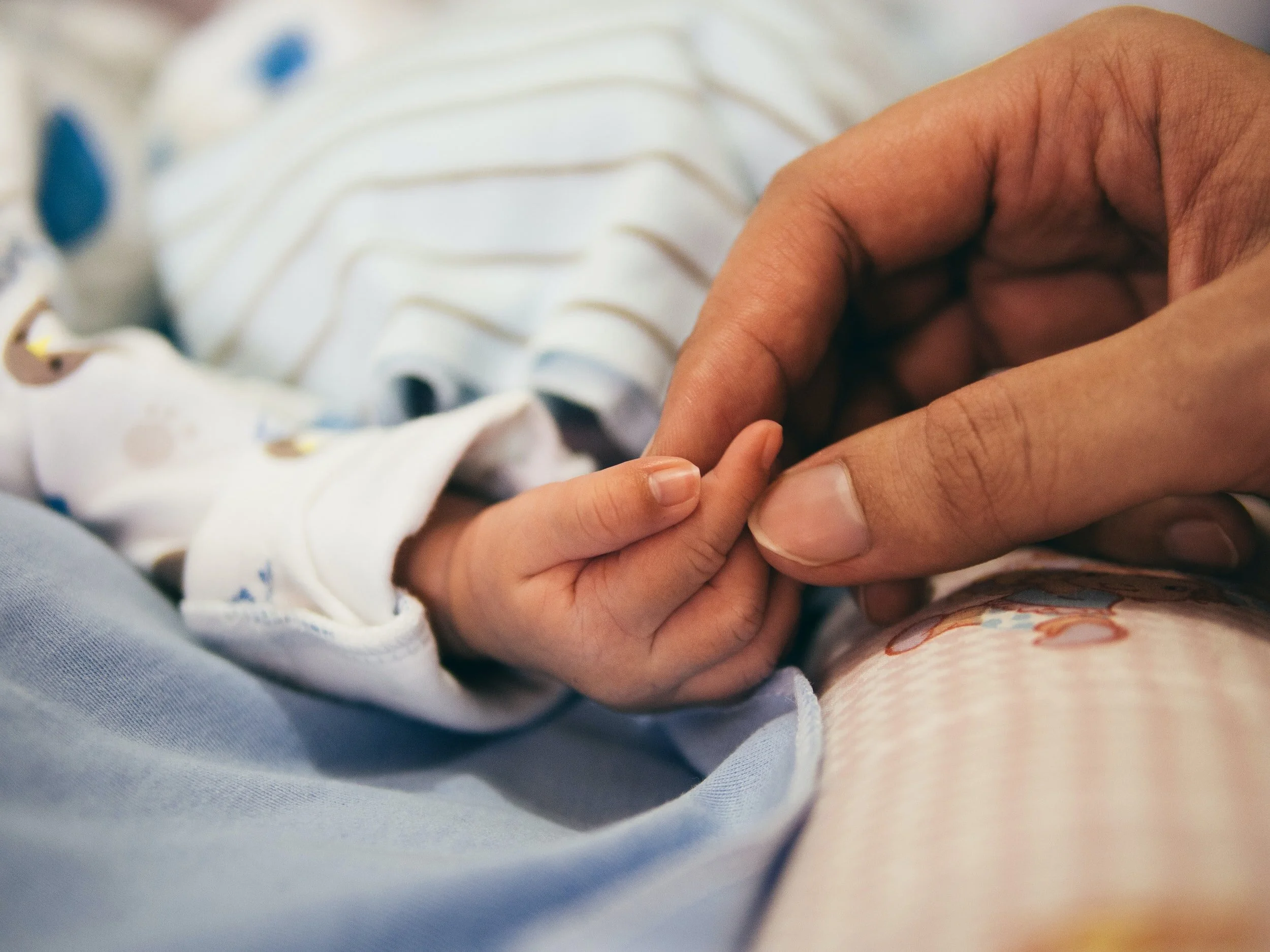
Top 3 Self Care Priorities For Moms After Giving Birth
Finally, baby (ies) have arrived! It’s one of those moments we’ll never forget yet barely remember. Leaving the hospital, the first sleepless night...they’ll be ingrained in your memory and yet at the same time, be somewhat a blur. Your whole schedule goes out the window and your priorities change as your life and routine revolves around this little human being welcomed into your world.
Here are 3 things that can help guide your priorities and time in the early days of baby’s arrival
Finally, baby (ies) have arrived! It’s one of those moments we’ll never forget yet barely remember. Leaving the hospital, the first sleepless night...they’ll be ingrained in your memory and yet at the same time, be somewhat a blur. Your whole schedule goes out the window and your priorities change as your life and routine revolves around this little human being welcomed into your world.
Here are three things that can help guide your priorities and time in the early days of baby’s arrival.

Nourish
You’ll be so focused on making sure your baby gets enough nourishment that it’s going to be easy to forget about yourself. You may not realize how important nutrition is, especially if your thought process connects eating less to losing baby weight. However, your tissues need nutrients to heal. You’re going to be getting less sleep, so good nutrition will also be important to support your immune system. Hydration and nutrition will also support you breastfeeding mamas.
Here are a couple of tips to make nourishing your body a bit easier:
On the hardest days, forget “meals” and aim for more frequent snacks. Things like trail mix, instant oatmeal, yogurt squeezers, pre-made PB&jJ sandwiches, and fruit are all easy, nutritious snacks to keep stocked. Naturebox has a nice selection of snacks that you can have delivered to your doorstep. (Use code: ACTIVEMOM for 30% off your first order)
If you’re fortunate to have friends and family support you, meals might not be as challenging, but still isn’t something you’re going to have the energy to put a lot of thought into. When you are able to cook or someone cooks for you, try batch cooking and freezing meals. This way you’ll have access to a quick and nutritious meal to warm up and enjoy. Bonus, if you start on this before the baby is born!
Connect
It’s easy to feel disconnected from your body when transitioning from pregnancy to postpartum. This happens even if you were consistent with prenatal exercise , due to anatomical changes, hormone adjustments, delivery, breastfeeding, etc. It’s totally normal. One of the best ways to start to connect with your body again is through breathing that begins to engage your deep core muscles, including pelvic floor. You can do this on your own or find a pelvic floor exercise app that guides you. It may seem like too simple of an action to make a difference, but proper breathing and beginning to coordinate your breath with pelvic floor and core contractions can lay the foundation for rebuilding your core when you’re ready to return to fitness. Intentional breathing exercises can also help your diaphragm and thoracic spine be less restricted, allowing for better posture and respiration.
Walks and stretching low back and chest muscles are also a nice way to connect with muscles that have been impacted by pregnancy. Remember, progressing gradually is the key and healing is the most important thing right now so if you’re feeling pain, excessive fatigue, or increased bleeding then you’re probably pushing yourself too much.
Rest
“Sleep when baby sleeps”. Very easy to say to people, less easy to do when you’re the one with the baby and a feeling the pressure to get things done when you have the chance. However, in the early days of welcoming baby home, this couldn’t be more important. Give your body a chance to heal and your mind a chance to rest. And when people ask what they can do to help, here are some ideas:
hold baby while you take a 20 minute nap
clean bottles or breastfeeding equipment
wash the dishes/clothes
bring healthy meals
gift a house cleaning service
All of these things are bold requests, but if you have a support network to help you rest….take advantage.

And with that I’ll say, welcome to the world of motherhood, where children become a top priority, but where taking care of yourself shouldn’t fall too far down the list.

One-Handed Eating for New Moms
As a new mother it’s hard to believe that you can actually fill an entire 24 hours with feeding, changing, and trying to put baby to sleep. This leaves very little time to plan, prepare or even eat meals.

How to Manage Healthy Eating When Baby is Priority
As a new mother it’s hard to believe that you can actually fill an entire 24 hours with feeding, changing, and trying to put baby to sleep. This leaves very little time to plan, prepare or even eat meals.
It is extremely important for a mother to keep her energy up and heal her body through good nutrition. For most of us, our priority isn’t and shouldn’t be cooking healthy meals so we need another strategy. My suggestion to new moms is to really rethink our traditional idea of food intake through the day and consider healthy snacking as sufficient for the first couple of months. This isn’t to say never have a meal. When you have time, make a healthy meal and make a ton of it so you can freeze it and have it again the following week. Focusing on snacks instead of meals just means you’re eating smaller, more frequent and more simple food throughout the day-which actually makes perfect sense if you time your eating with your babies.
Here's a two-day sample of healthy snacking based on a baby's feeding schedule. This doesn't include night feedings, but if you find yourself hungry then make extras of one of your daytime snacks and keep it by the bed at night.
Day 1
7:00 AM- Oatmeal Balls (made the night before) and piece of fruit
9:00 AM – Yogurt (buy big tubs and reusable pouches-you can use them for years with your kids)
11:00 AM – Low sodium lentil soup in a coffee mug, grape tomatoes
1:30 PM – Baby carrots and hummus
4:30 PM – Trail mix with your choice of nuts, dried fruit and seeds (chocolate chips or coconut flakes are great too!)
6:30 PM – Roasted chickpeas (made during nap time or night before), fruit
8:00 PM – Green smoothie (keep extra for another day)

Day 2
7:00 AM (made the night before)-hard boiled egg or breakfast muffins and fruit
9:00 AM – Avocado toast cut into squares or on petite toast
11:00 AM – Low sodium minestrone soup in a coffee mug, grape tomatoes
1:30 PM – Roasted kale chips and sliced cheese
4:30 PM – Edamame, berries
6:30 PM – Whole grain cereal, sliced apple dipped in nut butter
8:00 PM – Green smoothie (keep extra for another day-can add protein powder)

You’ll notice there is not any meat or fish in these samples. Meat and fish take more time to prepare so they were not included, but by all means I'm all for protein in those forms. To modify and include meat in your plan try time-saving ideas like buying a rotisserie chicken or prepare chicken or turkey cutlets (they come thinly sliced to make an easy finger food), or if you have a partner ask him or her to be in charge of the meat preparation for a month or two. You can do the same with fish. Try cooking it and flaking it to make patties or opt for canned tuna spread on crackers. Be careful not to get in the habit of buying too many pre-packaged or processed meats to avoid nitrates, sodium and saturated fats.
Note: These samples do not account for caloric or special dietary needs so should only be used to inspire healthy snacking.
You can get fit and healthy after baby without it being an added stressor.