
Active Mom Insights
Blog posts by Ashley Reid
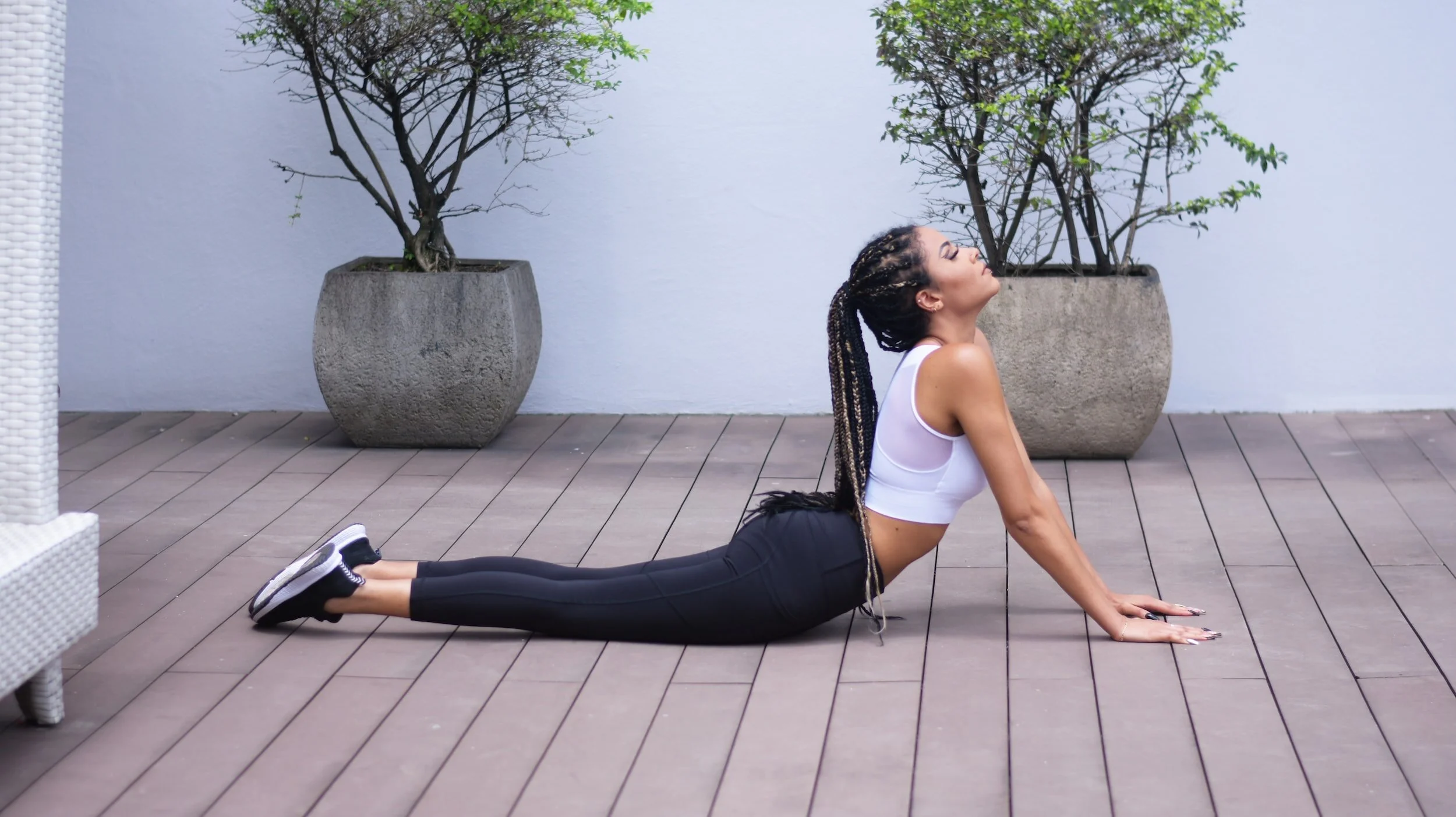
Mobility vs. Flexibility: What do Moms Need More?
At some point during or after your pregnancy, you’ve probably complained about a muscle feeling tight or if you feel restricted in a movement, your response may have been that you need to stretch more…or maybe you’ve convinced yourself that you’ve always been inflexible. However, it’s quite possible that you’re plenty flexible and that it’s an issue of mobility. So what’s the difference?
At some point during or after your pregnancy, you’ve probably complained about a muscle feeling tight or if you feel restricted in a movement, your response may have been that you need to stretch more…or maybe you’ve convinced yourself that you’ve always been inflexible. However, it’s quite possible that you’re plenty flexible and that it’s an issue of mobility. So what’s the difference?

Generally, mobility refers to the ability of a joint to move through its full range of motion. It encompasses flexibility, strength, stability, and motor control. Optimal mobility will allow you to perform movements without limitation. Most definitions refer to mobility as an “active” action.
Generally, Flexibility is a component of mobility that describes the ability of a muscle or tissue to lengthen. It primarily focuses on stretching the muscles. Most definitions refer to flexibility as a “passive” action. During and after pregnancy the hormone relaxin, can increase the laxity in joints, which most people translate to less flexibility, but research usually measures joint movement, so my thoughts are that it should be looked at in more totality and it may be more of a mobility issue. After a c-section or tearing, scar tissue can decrease a tissue’s flexibility, which is why scar tissue massage is important.
Because I believe that being functional and being strong in all the major movement patterns is what keeps moms active during pregnancy, and return safely to exercise after having a baby, I always include mobility work in my sessions with clients. Flexibility is a part of that. So the title of this post may have been slightly misleading. What I want you to understand is that flexibility is a piece of mobility and, therefore not enough. Moms should look for opportunities to enhance their overall mobility.
So what are the benefits of improving your mobility as a mom?
So you can actually follow the suggestions:
Pregnant moms are told to squat as a way to prep for childbirth, however, it’s incredibly hard to do this appropriately if your ankles or hips are immobile. You might have been told to use breathing as a way to strengthen your core postpartum, but this will be difficult if your thoracic spine is immobile. Mobility exercises can remove the limitations of performing these movements that are good for your pregnant and postpartum body.
Injury Prevention and Pain Management:
Discomforts such as back pain, pelvic pain, and joint pain are not uncommon for moms due to the stress of pregnancy and caring for a child. When you have mobility, you’re less likely to compensate and overuse the wrong muscles. Without mobility, poor posture and improper alignment can cause pain and even injury.
Greater Functional Ability:
Mobility exercises are specifically designed to replicate the demands put on your joints in your daily life, such as lifting, bending, and carrying. By incorporating mobility training into your fitness routine, you can develop the functional strength you need to push a stroller, carry your toddler, or reach to the back seat to replace a pacifier for the 10th time. In one study assessing the role of flexibility exercise, and the role of muscle strengthening exercises in the functional daily activity of adults, they found that each improved function. Because mobility is improved with muscle strength training, it is safe to conclude that mobility (which includes stretching), can improve your functional quality of life.
Emotional Health:
Being in a body during and after pregnancy that you feel like you have very little control over can take an emotional toll on you. Mobility exercises can help you move well and regain confidence. Feeling good both in your body and while you perform basic tasks is great for your mental health.
So although I know your time is limited and some weeks you’re lucky to get any workouts in, consider spending more time on your mobility if daily functions are a struggle. Enhance your ability to meet the physical demands of motherhood with training that includes flexibility, stability, and motor control…in addition to your strength and aerobic exercise sessions. Tight hips are often a complaint during pregnancy, check out this video for a. hip mobility flow.

Moms, Stretching Isn't Going to Fix Your Back Pain
When your back feels tight or even painful, the first thing you probably say is “I need to stretch more”. And although stretching and back mobility is one component to back health, it will never be the best or only remedy. Stretching lengthens muscles…in the moment, but it rarely is enough for spasms, and definitely isn’t enough for chronic or recurring pain. Most often, the cause of back pain for moms is feeding posture, carrying, and lifting their baby, weak core. This pain may appear in pregnancy and continue postpartum, or not show up until after the fourth trimester as your baby grows. To truly address your pain, you have to address the cause. The moms I work with have significantly less back pain than most because we focus on range of motion (mobility) of joints like hips, knees and ankles, because we strengthen the muscles involved in mom posture (rounding shoulders), and we strength train for mom movements (lifting, bending).
When your back feels tight or even painful, the first thing you probably say is “I need to stretch more”. And although stretching and back mobility is one component to back health, it will never be the best or only remedy. Stretching lengthens muscles…in the moment, but it rarely is enough for spasms, and definitely isn’t enough for chronic or recurring pain. Most often, the cause of back pain for moms is feeding posture, carrying, and lifting their baby, weak core. This pain may appear in pregnancy and continue postpartum, or not show up until after the fourth trimester as your baby grows. To truly address your pain, you have to address the cause. The moms I work with have significantly less back pain than most because we focus on range of motion (mobility) of joints like hips, knees, and ankles, we strengthen the muscles involved in mom posture (rounding shoulders), and we strength train for mom movements (lifting, bending).

Here are four muscle groups you can focus on as you begin to address your back pain:
Glutes
Your glutes are important for hip extension and they help with core stability. During the early postpartum period, strong glutes can support your weaker core muscles as you work to rebuild ab strength and function. During pregnancy, your glutes can step up and assist your lower back muscles when they fatigue trying to adapt to the anatomical changes that occur each trimester.
Hamstrings
The hamstrings are responsible for hip extension and knee flexion. They play a crucial role in bending down to pick things up. When they are strong they can share the load with your back muscles to prevent overuse, which reduces your risk for pain. Use your hamstrings to hinge rather than rounding your spine when lifting your baby out of the crib, your back will thank you.
Core muscles
This is probably the most obvious group of muscles when you think of preventing lower back pain. However, you have many core muscles, and not only do you need to keep them strong, but you have to make sure they coordinate and work well together. This is especially important for moms considering your rectus abdominis muscles, diaphragm, and pelvic floor muscles are heavily impacted by pregnancy. But, don’t feel hopeless, I’ve helped hundreds of moms learn how to strengthen their core during and after pregnancy. Research shows back pain is common, but not inevitable with the right core training program.
Upper back muscles
Yes, your upper back muscles can impact your lower back muscles. Muscles like your rhomboids, trapezius, and rear deltoids, help maintain posture and prevent rounding of your shoulders. Moms tend to develop rounded shoulders due to extra frontal weight during pregnancy, and feeding posture postpartum. Strengthening the upper back will keep your body in better alignment reducing your risk for low back pain.
So even though nearly 80% of moms suffer from low back pain, that doesn’t have to be your story. If you recognize that reducing your risk for pain is more than just stretching, and involves joint mobility and muscle strengthening, then you’ll fall into that 20% of moms who can stay active during pregnancy, and take care of their child comfortably. You got this!