
Active Mom Insights
Blog posts by Ashley Reid

Five Tips to Cope With Your Injury
An injury can be really disruptive when you're trying to stay fit and active. It might prevent you from exercising, but even worse it may make it difficult to go to work or look after your kids. Consider these five tips on how to cope with an injury.
An injury can be really disruptive when you're trying to stay fit and active. It might prevent you from exercising, but even worse it may make it difficult to go to work or look after your kids. Consider these five tips on how to cope with an injury.
See a Professional
Don’t rely on Dr. Google. The right treatment to an injury can be key to your recovery. If after a few days of rest, you’re not seeing progress OR if you have concerns right away the injury is severe, then make an appointment with your doctor or physical therapist for an accurate diagnosis and treatment plan.
Allow Yourself to Rest
Rest is important when you have an injury, even if you want to get back to exercising right away. This can be difficult to accept, but if your tissues are inflamed, painful or swollen, it’s essential to the healing process to let that subside. RICE (rest, ice, compression, elevation) is a common acronym if you sprain your ankle, but keep it in mind for any injury you may face.

Get the Right Support
Having the right support might help you cope with the injury, and prevent it from happening again. For example, nagging and chronic injuries such as shin splints, might benefit from a shoe that prevents over pronating or provides more cushion. Try searching for the best walking shoes for shin splints. Sometimes as you’re recovering from knee or wrist injuries (it’s hard to keep wrists in neutral caring for a baby!), providing more stability to the joint with a sleeve or brace can be helpful as well. You can wear the support while active to provide additional comfort or remind your body to be mindful while playing with or caring for your kids. SI belts can sometimes help support pubic symphysis pain during pregnancy if you’re on your feet a lot or get discomfort walking. As a reminder, the extra support for any injury shouldn’t replace treatment, but can help you get by while addressing the injury.
Find Alternatives
Being injured doesn't always mean (although it can) that you have to stop working out completely. Consider your injury recovery needs. If weight bearing is painful, try seated or lying strength exercises. If the upper body is impacted, consider low impact lower body exercise. Treat the injury, but avoid cancelling all activity plans unless it’s part of your recovery plan. Use it as motivation to try something new!
Progress Back Activity
When you're ready to get back into working out, don't just jump back into your usual workout routine. Exercises should be designed to gradually strengthen the muscles impacted by the injury. As you regain strength and stamina, gradually add more challenge. If you’re recovering well from those workouts, continue to progress back to your standard routine. If you’re chronically injuring yourself or constantly feeling back pain, you might consider a dedicated core training program in addition to your regular workouts.

Functional Training for Moms: Pre/Postnatal Exercise Tips
And then you got pregnant, where your body is changing outside of your control...you’re moving different, feeling different and priorities are shifting. This is really where the first phase of motherhood begins, and where your exercise program should prepare you for that.
Long runs after work, trying new fitness classes with your friends, training hard five days per week, or possibly never working out a day in your life. This might have been what fitness looked like for you before pregnancy. Unless you had an injury you probably weren’t strength training a ton with function in mind, or adjusting your routine based on the stage of life you were in.

And then you got pregnant, where your body is changing outside of your control...you’re moving different, feeling different and priorities are shifting. This is really where the first phase of motherhood begins, and where your exercise program should prepare you for that. For many (unless you trained as an athlete), it's the first opportunity to really choose workouts that align with the physical and functional demands being placed on your body, as well as your stage of life.
Here are a few functional training ideas and tips for early stages of motherhood:
Pregnancy
Learn which core exercises are still appropriate for you
Be sure to include breathing and pelvic floor work in your fitness routine
Focus on lengthening chest muscles and strengthening upper back muscles
Incorporate a variety of glute exercises
Avoid impact when you start to feel pelvic pressure or incontinence during exercise
Early Postpartum (0-6 weeks)
Begin reconnecting to core muscles with breath and simple exercises like hip lifts and pelvic tilts
Adjust stroller handles to the proper height and enjoy short walking bouts if you’re feeling up to it
Focus on body mechanics while holding the baby, sitting, and feeding
Avoid impact exercise (low impact like walking is acceptable as tolerated)
Postpartum 6-12 weeks
Increase the duration of low-impact activities (like walking) as tolerated
Address pelvic floor or diastasis recti concerns with a professional
Begin to progress through core exercises
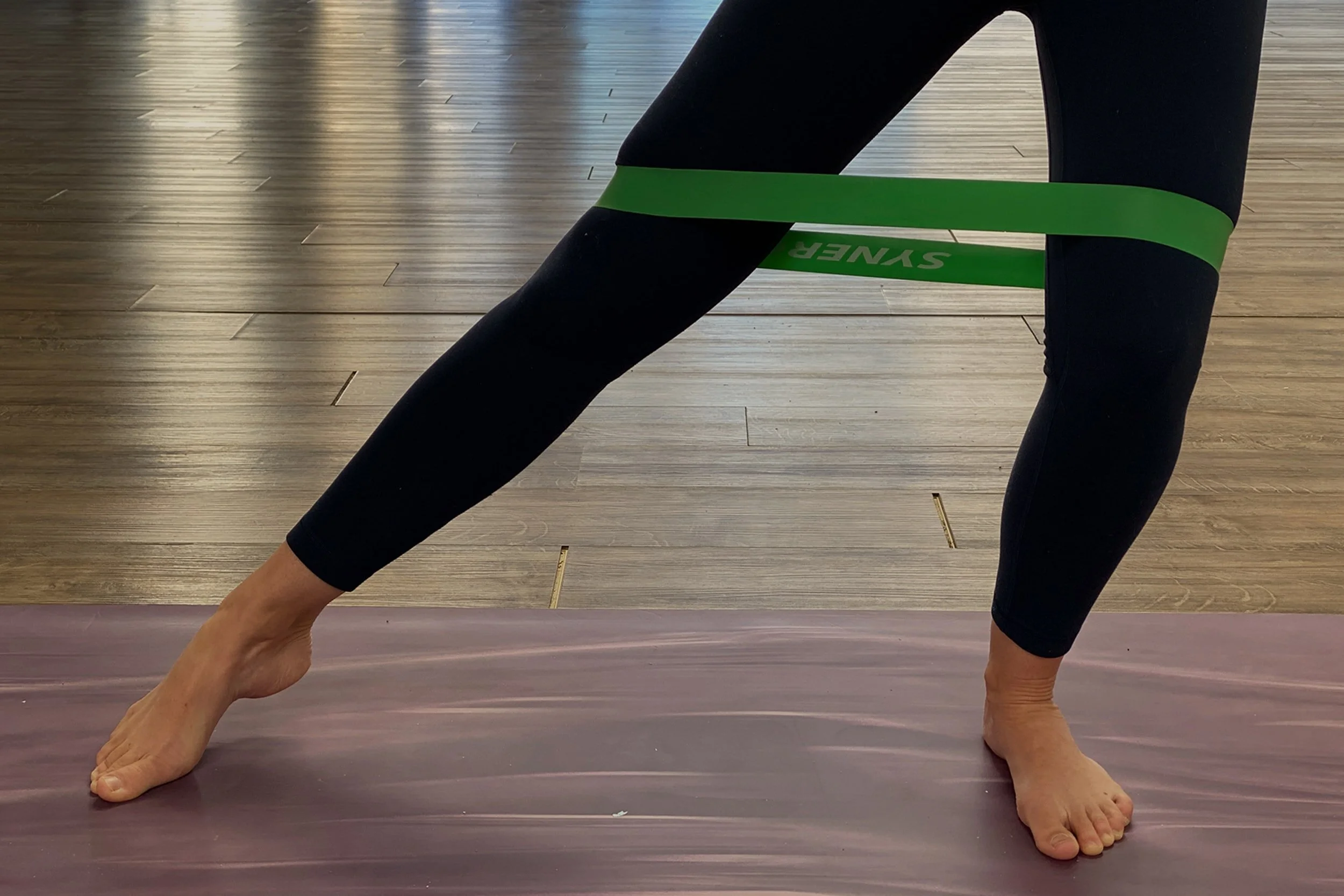
Incorporate strength exercises like deadlifts, lunges, or box squats that mimic daily life demands
Postpartum 12 weeks-12 months
Gradually add more impact exercise if desired (and if strength training has been adequate)
Begin to increase strength training volume, focus on movement patterns (push, pull, squat, lunge, hinge, rotate)
Use more frequent, but shorter duration workouts to make consistency more attainable
Use tools like the foam roller to address mobility and muscle tightness
This is by no means an exhaustive or very specific list, but hopefully, it gives you an idea of the importance of shifting your training focus to not just meet your goals, but also your needs. If you need help personalizing your program, take advantage of the Active Mom Fitness Signature Consult.

Four Ways To De-Stress As a Mother
Realistically as a new mother, it’s tough to find time to relax or care for yourself. Mothers carry a lot of the mental and physical load of the family. From keeping track of the families schedule (appointments, nap times, feeding times), to loving, holding, rocking, feeding and changing a newborn, there’s very little time to de-stress. However, you don’t want this mental or physical stress to become chronic. It’s important to take a pause in that cycle whenever you can. So, with that in mind, here are four ways a mom can take a break and reset:
Realistically as a new mother, it’s tough to find time to relax or care for yourself. Mothers carry a lot of the mental and physical load of the family. From keeping track of the families schedule (appointments, nap times, feeding times), to loving, holding, rocking, feeding and changing a newborn, there’s very little time to de-stress. However, you don’t want this mental or physical stress to become chronic. It’s important to take a pause in that cycle whenever you can. So, with that in mind, here are four ways a mom can take a break and reset:

Run a bath before bed. Obviously not every night, but you’d be surprised at how relaxing it can be, with the added benefit of improved sleep that night. We do it for our babies, so why not use the same technique? Choose one night every couple of weeks to get some scented epsom salt, your favorite music or podcast and enjoy soaking. If you’re really being ambitious, add some candles. Leave your screen out of the equation, close your eyes and just sit back and breathe deeply. You need to take a moment and pause, and what better place to do that than in a bath of hot water?
Get out and move. Ideally you’re alone, but if you can’t swing that consider putting in some headphones and zoning out as you push the babe in a stroller. Exercise is a great mood booster, and being outdoors is too (two for one!). If outside isn’t realistic and not your thing, try the asanas of yoga or escape to a studio workout. You deserve time for yourself to feel re-energized.
Check in with friends. Get your tribe together and get out for lunch or dinner, or Facetime chat. Text check-ins are great, but every now and then you deserve a bit more. Having good people around you will remind you of the support system you have. Catching up and chatting about what’s important to you is a needed break from the norm. Your personal happiness is important and your friends are great for that.
Sleep. Before you roll your eyes (I know you don’t have full control), but we can’t forget how important a good night of sleep is for our health. This reminder is simply to say that if lack of sleep is severely impacting your mood and ability to function, then you might need to ask for help. Let a friend come by so you can take a nap. Have your partner take a full night and you sleep in another room or away from the house if possible. This might seem drastic, but if it's doable, it might be just what you need to recharge your battery some.

When to Start Prenatal Exercise
The short answer: Right away!
But this also depends on what you consider prenatal exercise. Gone are the days where it has to be gentle stretching (although it could be if that’s what you need).
The short answer: Right away!
But this also depends on what you consider prenatal exercise. Gone are the days when it has to be gentle stretching (although it could be if that’s what you need). In fact, if you watch this video from Nike, you’ll probably feel pretty badass and realize prenatal exercise is going to prepare you for the athletic event that is pregnancy and labor and delivery….a marathon combined with intense sprints.

Prenatal exercise means your training program is designed for the pregnant body. You don’t have to follow a specific set of rules for each trimester. Exercise selection isn’t dictated by the number of weeks you are. A really good prenatal program, simply means you’re going to attempt to put your body in the best position to deal with the demands of pregnancy and motherhood.
Very early in your pregnancy, you may find that prenatal exercise means:

less intensity because you’re extremely fatigued
learning how to engage deep abdominal while it's still fairly easy to feel them
beginning to strengthen pelvic floor muscles
finding a prenatal exercise specialist to keep you motivated through every trimester
addressing muscle weakness or tightness that might become an issue later in pregnancy
Later in your pregnancy, prenatal exercise might mean:
finding new ways to strengthen the core without creating too much abdominal pressure
reducing impact exercise because it's uncomfortable or your pelvic floor can withstand the load
calming exercise to help keep your stress low
making adjustments like switching from pull-ups to rows or floor push-ups to wall push-ups
The above are just examples. Your prenatal program should be based on how you’re feeling, your current fitness level and what you enjoy doing. The earlier you can prep your body for the sport of motherhood, the better.
If you’re ready to start with something simple, download 5 Tips to a Stronger Core During Pregnancy.