
Active Mom Insights
Blog posts by Ashley Reid
If You Weren't Eating Enough Before, You Will Now: Protein for Moms
Moms require more protein as they go through the different stages of motherhood. From conception, to pregnancy, to breastfeeding, through postpartum recovery, into your return to fitness, and even to menopause, your need to build and maintain tissues goes through various stages of higher importance.
The amount of protein you eat is directly related to the body’s ability to build and maintain muscle, and it plays a role in hair, blood, hormones, connective tissue, and more.

Why discuss protein intake specifically for moms? The recommended daily allowance for protein (to ensure your body has the minimum to function as it should) is 0.8 grams per kilogram of body weight each day. However, it’s been well-researched that very active individuals benefit from consuming more protein than the recommended minimum amount to prevent muscle breakdown and promote tissue growth. I’d like to take it a step further and highlight that moms, using similar logic, also require more protein as they go through the different stages of motherhood. From conception to pregnancy, to breastfeeding, through postpartum recovery, into your return to fitness, and even to menopause, your need to build and maintain tissues goes through various stages of higher importance.
Pregnancy
During pregnancy, the expansion of blood volume and growth of your tissue and the baby’s require sufficient protein. Currently, the American Pregnancy Association states that experts recommend 75-100 grams per day. One study estimates the need for protein to be about 1.1k-1.5g/kg per day. To calculate your need you can divide your pregnancy bodyweight by 2.2 and then multiply that by 1.1 to find your daily minimum in grams. It should be noted that a pregnant person should be able to meet their daily needs through food without the need for supplementation.

Postpartum
Not as researched is the protein recommendations postpartum, however, if we use reasoning it is safe to assume that postpartum moms require higher than the average recommendation as well. During the postpartum period, you are rebuilding tissue, and re-strengthening muscle so naturally, adequate protein intake is essential. Being a new mom also involves periods of high stress. When your body is stressed it produces catabolic hormones, which are hormones that trigger the breakdown of tissue. To counteract this breakdown it’s important to have sufficient protein, specifically to maintain your lean muscle tissue. Lastly, if you’re breastfeeding your energy requirements are higher and it would make sense your protein needs are too. One study found the need to be around 1.7-1.9g/kg of body weight per day. Although recommendations fluctuate, most still remain under the recommended consumption for athletes, assuring a safe elevated range.
Fitness: Strength and Weight Loss
When you move beyond birth and return to a more rigorous exercise routine, protein needs are often increased as well. It is well documented that athletes benefit from a higher consumption of proteins, ranging from 1.8 to 2.7 grams at elite levels. This is because strength training and high intensity actually break down muscle. It is during the repair that muscle improves. If you’re putting your much limited time and energy into strength training, you better be sure that your nutrition supports your muscle recovery and development. Additionally, studies show that during periods of caloric/energy deficit, eating higher amounts of protein can prevent the loss of too much lean muscle. In other words, if you’re cutting calories to lose weight, you want to make sure most of the weight you’re losing is fat rather than lean muscle. Increased protein has been shown to help with that.
Perimenopause
Let’s not forget moms transitioning to menopause. During this period your hormones fluctuate and eventually, your estrogen levels drop. Why is this significant? Remember the term catabolism (breakdown tissue)? Well, estrogen is a hormone that triggers the opposite, anabolism (building up tissue). So if your body’s ability to build tissue (anabolism) decreases with lower levels of estrogen as you approach and go through menopause, then you want to make sure you’re doing your part to counteract that as best you can with adequate protein (and resistance training)
Protein Choices
There are plenty of sites that give examples of protein sources so no need to repeat that information here. However, I do think it would be helpful to define the term amino acid and why that’s important in your protein choice. Proteins are made up of 20 different amino acid molecules in various sequences. There are nine “essential” amino acids that your body can’t make and can only be consumed through food. When choosing your proteins you want to make sure that you’re getting all nine essential amino acids. The simple way is to make sure you’re eating a variety of protein sources. The more complex way is to ensure you’re eating “complete proteins”, meaning they contain all of the amino acids you need. Examples include poultry, fish, dairy, beef, quinoa, soy, and pork. Vegetarians and vegans have fewer choices in complete protein sources, but plenty of other options that will give your body what it needs if you’re making sure to eat a range of foods.
Protein timing
To wrap this up, my advice is to evenly spread your protein intake throughout the day. If you’re doing some serious training, following sports nutrition guidelines may be more beneficial for you. However, for most of us, aiming to have protein at most meals is a good start. If you’re a mom who tends to skip meals or graze throughout the day this will initially be challenging. In either scenario, it’s going to be hard to meet your needs. If you’re grazing, you’re probably going to fall short as most mom snacks tend to be pretty carb-heavy. If you’re skipping meals it makes it tough to hit your goal and because our body generally can’t absorb more than 25-40 grams of protein at a time, saving consuming most of your day’s requirements at one sitting isn’t beneficial. So to make adequate protein intake manageable, I suggest including protein evenly in each meal/snack.
OK, now go enjoy the benefits of protein! And if all this talk about healthy pregnancies, recovering after baby, and serious strength training has you motivated then take this time to join the Active Mom Fitness Community!
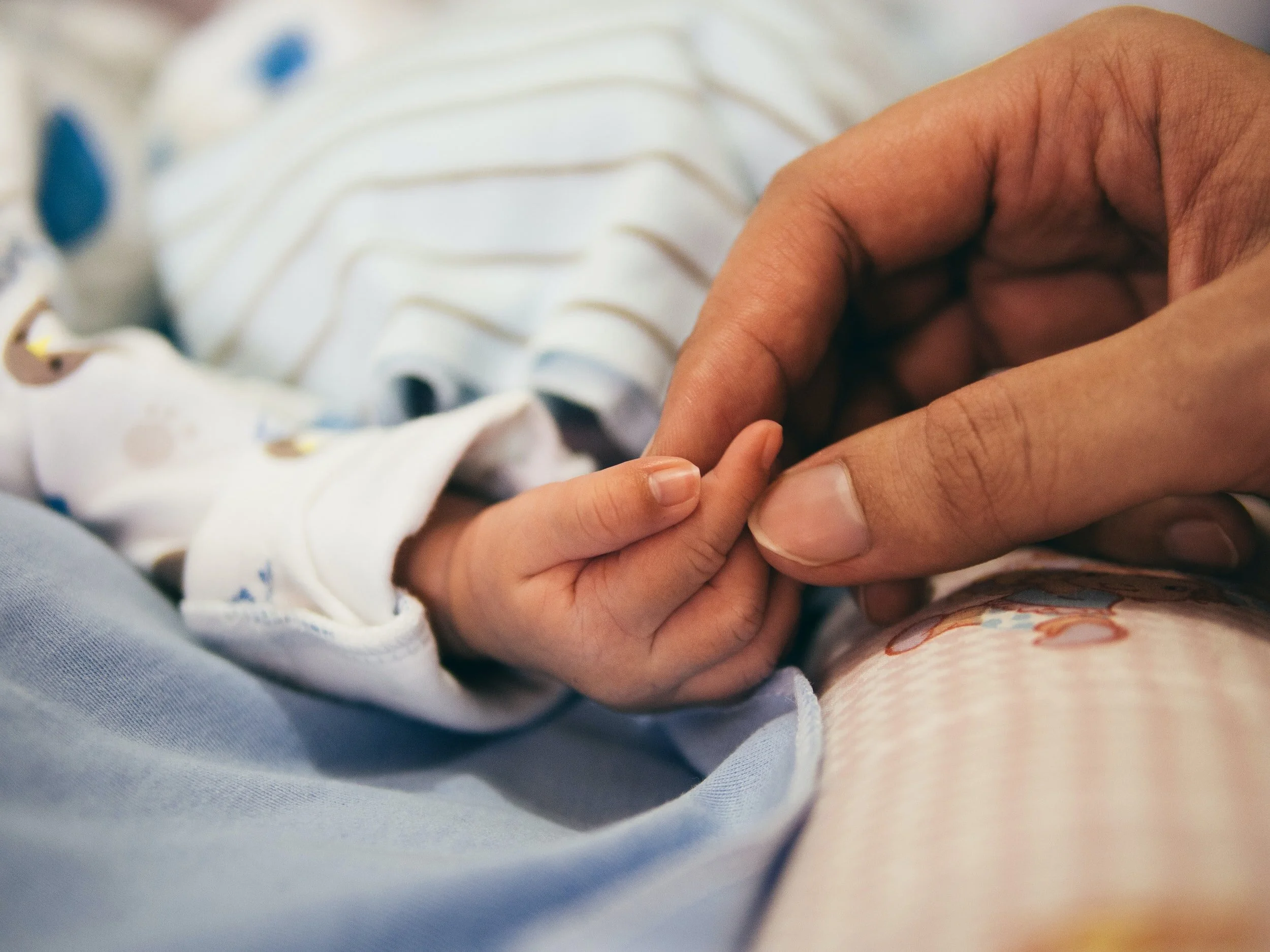
Top 3 Self Care Priorities For Moms After Giving Birth
Finally, baby (ies) have arrived! It’s one of those moments we’ll never forget yet barely remember. Leaving the hospital, the first sleepless night...they’ll be ingrained in your memory and yet at the same time, be somewhat a blur. Your whole schedule goes out the window and your priorities change as your life and routine revolves around this little human being welcomed into your world.
Here are 3 things that can help guide your priorities and time in the early days of baby’s arrival
Finally, baby (ies) have arrived! It’s one of those moments we’ll never forget yet barely remember. Leaving the hospital, the first sleepless night...they’ll be ingrained in your memory and yet at the same time, be somewhat a blur. Your whole schedule goes out the window and your priorities change as your life and routine revolves around this little human being welcomed into your world.
Here are three things that can help guide your priorities and time in the early days of baby’s arrival.

Nourish
You’ll be so focused on making sure your baby gets enough nourishment that it’s going to be easy to forget about yourself. You may not realize how important nutrition is, especially if your thought process connects eating less to losing baby weight. However, your tissues need nutrients to heal. You’re going to be getting less sleep, so good nutrition will also be important to support your immune system. Hydration and nutrition will also support you breastfeeding mamas.
Here are a couple of tips to make nourishing your body a bit easier:
On the hardest days, forget “meals” and aim for more frequent snacks. Things like trail mix, instant oatmeal, yogurt squeezers, pre-made PB&jJ sandwiches, and fruit are all easy, nutritious snacks to keep stocked. Naturebox has a nice selection of snacks that you can have delivered to your doorstep. (Use code: ACTIVEMOM for 30% off your first order)
If you’re fortunate to have friends and family support you, meals might not be as challenging, but still isn’t something you’re going to have the energy to put a lot of thought into. When you are able to cook or someone cooks for you, try batch cooking and freezing meals. This way you’ll have access to a quick and nutritious meal to warm up and enjoy. Bonus, if you start on this before the baby is born!
Connect
It’s easy to feel disconnected from your body when transitioning from pregnancy to postpartum. This happens even if you were consistent with prenatal exercise , due to anatomical changes, hormone adjustments, delivery, breastfeeding, etc. It’s totally normal. One of the best ways to start to connect with your body again is through breathing that begins to engage your deep core muscles, including pelvic floor. You can do this on your own or find a pelvic floor exercise app that guides you. It may seem like too simple of an action to make a difference, but proper breathing and beginning to coordinate your breath with pelvic floor and core contractions can lay the foundation for rebuilding your core when you’re ready to return to fitness. Intentional breathing exercises can also help your diaphragm and thoracic spine be less restricted, allowing for better posture and respiration.
Walks and stretching low back and chest muscles are also a nice way to connect with muscles that have been impacted by pregnancy. Remember, progressing gradually is the key and healing is the most important thing right now so if you’re feeling pain, excessive fatigue, or increased bleeding then you’re probably pushing yourself too much.
Rest
“Sleep when baby sleeps”. Very easy to say to people, less easy to do when you’re the one with the baby and a feeling the pressure to get things done when you have the chance. However, in the early days of welcoming baby home, this couldn’t be more important. Give your body a chance to heal and your mind a chance to rest. And when people ask what they can do to help, here are some ideas:
hold baby while you take a 20 minute nap
clean bottles or breastfeeding equipment
wash the dishes/clothes
bring healthy meals
gift a house cleaning service
All of these things are bold requests, but if you have a support network to help you rest….take advantage.

And with that I’ll say, welcome to the world of motherhood, where children become a top priority, but where taking care of yourself shouldn’t fall too far down the list.

Six Healthy Habits I'm Happy I Stuck With (Part Two)
I believe in the power of movement, nutrition and physical activity on your mental and physical health and know that it’s important to start that education and those habits young. Looking at my daughter as a six year old, understanding how to take care of her body and having the confidence to be a physically active kid really warms my heart.
I believe in the power of movement, nutrition and physical activity on your mental and physical health and know that it’s important to start that education and those habits young. Looking at my daughter as a six year old, understanding how to take care of her body and having the confidence to be a physically active kid really warms my heart :)
And that brings us to part two of the Six Healthy Habits I’m Glad I Stuck With (as a reminder this post came about after reflecting on my daughter turning six, click here for part one).

4. Eat Dinner (or one meal) Together Every Day: Experts have proven the importance of family meals, not just for nutrition, but for a child’s self esteem, academics and more. Since she was in a highchair, I made sure that if she was having dinner, I was in a chair right next to her having dinner too. I also have gone a step further, and other than when she didn’t have teeth (although I gave my best shot at baby led weaning), her and I have always eaten the exact same meal. In some ways this goes back to the idea of there shouldn’t be food “made for kids”, but I also do it because it gives her exposure to new foods, it models healthy eating without forcing it, it creates less stress for me to have to make and clean up two different meals, and it gives us an opportunity to discuss what we’re eating. Sure this means sometimes the meal is more basic than I’d like or more flavorful than what she’d like...but I always make sure to have one thing in the meal that both of us will enjoy. Where does that leave us now that she’s six...with a consistent evening routine and a lot of interesting dinner conversations. I’ll treasure these moments because I know when she’s older and gets involved in activities this may become harder.
5. Choose Vocab Carefully: I cringe when I hear the terms “good” food or “bad” food the same way I do if I hear the term “good kid” or “bad kid”. Eating ice cream shouldn’t make you feel bad or guilty and can lead to unhealthy behaviors (I’m sure many of us can relate because that was more common how we grew up). It was important for me to have her understand that a healthy diet can include all food, and that some foods should be eaten more than others. My approach was to have her understand the impact certain foods had on us. For example oranges have vitamins that help you not get sick and donuts have a lot of sugar, which can make it hard for you to sleep. Where does that leave us now? She has a sweet tooth like me so she’ll still ask for the ice cream (as the ice cream truck seems to have a permanent home on our block), but she understands when I say no to all of the items in the checkout line, that it’s because I’m looking out for her health. Although she may not be happy with not getting ice cream every time she asks, she doesn’t feel like she’s eating something bad or forbidden when we do indulge.
6. Anatomy and Physiology Lessons: Okay, I know this isn’t difficult for me given my field, but my daughter’s only six so the lessons have been pretty basic. My main goal is her having an understanding about how her body works so that when I make decisions for her health or she makes decisions on her own, it’s an informed decision and not just “because my mom is making me or told me so”. It started with very basic day to day stuff, like making sure we grab our water bottles before we leave the house because our body runs on water. Or put your hand on your chest after running around and feeling how fast your heart is pumping. It’s also using appropriate names for body parts like vagina or perhaps a bit extreme, “abrasions” instead of “boo boos”. It’s been simple to provide her with this information as we go through our day and now that she has some understanding she is very comfortable talking about all of her body parts. What impresses me the most is that she’s moved down the spectrum of behavior change from having the knowledge, to having a positive attitude about health, to now making decisions that she feels are best for her. These decisions range from going to her room to lay down when she’s feeling grumpy, to drinking more water when she is sick, to asking me which foods on her plate will give her the protein for strong muscles.

As I mentioned in part one, this is somewhat unsolicited mom advice, and what works for me, may not work for you. But, as I’m sure you know from experience, habits learned at an early age (for better or worse) tend to stick longer and are easier to adopt. So if there is something that’s important to you, a healthy habit you want your kids to always know…then keep at it. Find a way to have a healthy family.
Need help getting yourself healthy, so you can be the role model you want to be? Schedule a free phone call with me and I’ll point you in the right direction.