
Active Mom Insights
Blog posts by Ashley Reid
Beyond the Hospital Bag: Overlooked Postpartum Prep
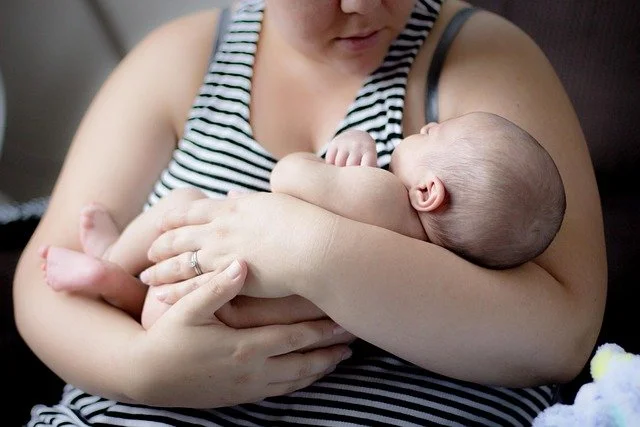
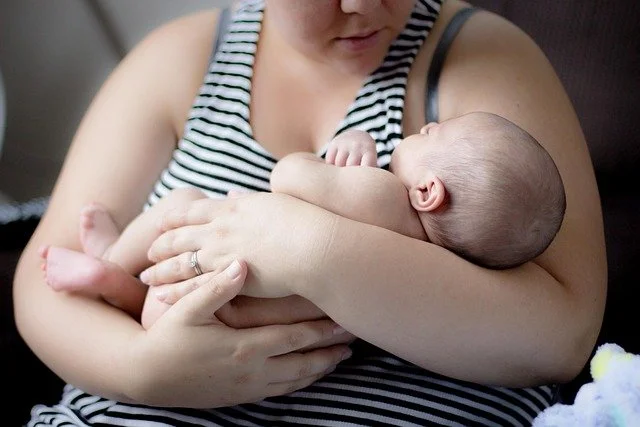
Much of your pregnancy prep will focus on what to pack in your hospital bag or what to put on your baby registry, but there are a few simple things you can prepare for to make your postpartum experience a little easier. These aren’t complicated; they’re just practical things you may not think about until you're already in the thick of it.
Much of your pregnancy prep will focus on what to pack in your hospital bag or what to put on your baby registry, but there are a few simple things you can prepare for to make your postpartum experience a little easier. These aren’t complicated; they’re just practical things you may not think about until you're already in the thick of it.
Here are some suggestions to help you feel more supported at home in those early weeks.
Hydration You Don’t Have to Think About
One of the simplest ways to support recovery and breastfeeding is by drinking enough water, but when your days are filled with feeding and changing diapers, it can be easier said than done. I recommend filling a few stainless steel water bottles and keeping them in the places around your home where you spend the most time: your nightstand, couch, and feeding chair. I can remember several times after feeding my daughter, her falling asleep on me, and me being stuck on the couch, wishing I had my water bottle, thinking about nothing but thirst, and not waking a sleeping baby.
To mix things up, you might enjoy mixing in electrolyte powders occasionally. There are plenty of clean options that aren’t overly sweet or artificial.
Easy Food That Supports Postpartum Recovery
You won’t always have time (or hands) to make a full meal. Having easy-to-grab, nutrient-dense snacks like protein bars, trail mix, and yogurt drinks can give you quick energy and keep you from running on empty, which affects everything from your mood to your milk supply.
Snacks that are high in fiber can also help prevent constipation, which is a really common issue in the early postpartum weeks. Hormone changes, pain medications, and decreased movement all play a role. A fiber-rich diet, along with staying hydrated, can reduce the need to strain, which is especially important to protect your pelvic floor muscles.
If you were given antibiotics during labor or recovery, adding a probiotic supplement or probiotic-rich foods may help support your gut health and reduce digestive issues.
Small Comforts That Matter More Than Expected
Joint pain often begins from the ground up, and if you’re rocking back and forth on hardwood floors or spending more time at home barefoot, you may notice discomfort in your feet, knees, or hips. Consider purchasing a new pair of slippers or house shoes that take into account arch support if your feet have flattened or a larger size if your feet have grown during pregnancy.
A baby-safe laundry detergent is another good item to have on hand. Newborn skin is sensitive, and it’s common to see rashes or irritation from heavily fragranced products. Starting with a gentle detergent can save you from having to troubleshoot later.
And finally, if you drink coffee or tea, a mug warmer is a must. Instead of reheating the same cup over and over, you actually get to drink it warm, even if it takes you three hours. Eliminating the frustration of cold coffee goes a long way.
Final Thoughts
You won’t be able to plan for everything postpartum, but having a few of these things ready can make those early days feel a little less overwhelming. It’s not about creating the perfect setup. It’s about making small choices now that support your body and ease some of the mental load later.
Resources
In addition to supporting moms during and after pregnancy through exercise and core training, I serve as a human health contributor for Grove Co. Grove brands are carefully vetted by expert physicians and meet a higher standard for human and environmental health. Their Healthier Home Guide makes shopping for non-toxic water bottles, quality probiotics/fiber supplements, and natural laundry detergents easy.
Nap or Workout? What's More Beneficial For You?
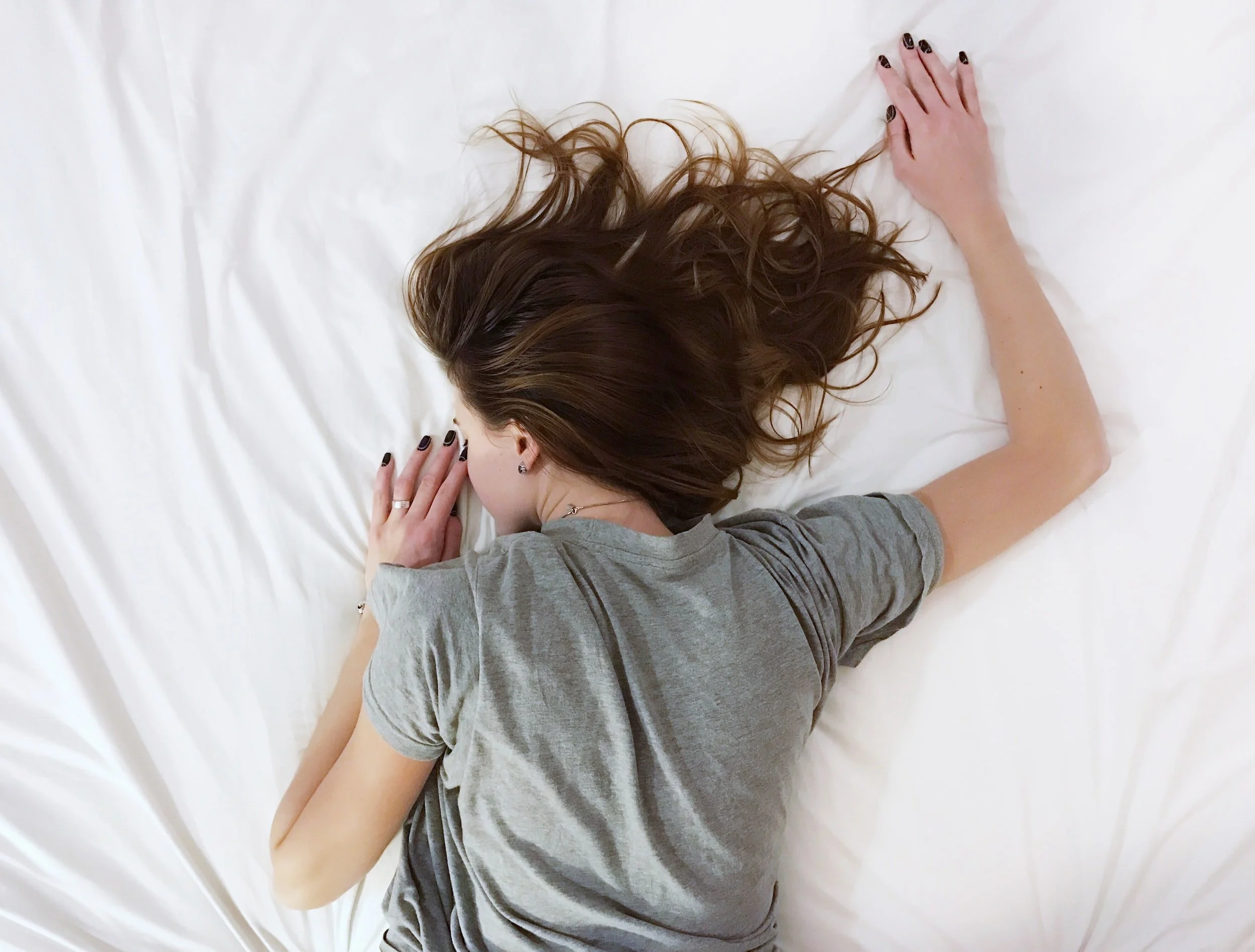
Do you get enough sleep? Yikes, I know this might be a sensitive subject or silly question for moms with babies. But, it is a question worth asking if it is rephrased to, “do you get enough sleep to workout?” Exercise is a physical stressor on the body. So is sleep deprivation. So if you exercise while sleep deprived, you need to consider the consequences. However we also know that exercise has many benefits, including aiding in sleep and providing energy…so avoiding it all together isn’t always the best solution either.
Do you get enough sleep? Yikes, I know this might be a sensitive subject or silly question for moms with babies. But, it is a question worth asking if it is rephrased to, “Do you get enough sleep to work out?” Exercise is a physical stressor on the body. So is sleep deprivation. So if you exercise while sleep-deprived, you need to consider the consequences. However, we also know that exercise has many benefits, including aiding in sleep and providing energy…so avoiding it all together isn’t always the best solution either.

For many moms there probably won’t be one answer. It will probably vary week to week based on cumulative sleep loss and type of physical activity, knowing some workouts are more intense than others. So although I can’t give you a definitive answer, I can provide you with some factors to consider when you’re debating whether the 30-minute nap vs. 30 minutes of exercise is more beneficial for you.
If you are strength training and not getting adequate sleep after workouts, your results could be compromised. During resistance training your muscles essentially break down and it’s in repairing that you see results like increased strength and definition. Growth Hormone is the hormone responsible for this repair, however, this hormone is produced during sleep. So if you’re not sleeping enough, your muscles may not have sufficient repair time to see the results you’re working for. So in this case it may sound like a nap is more beneficial, but a 30-minute nap may not get you to the stage of sleep you need to produce Growth Hormone. You could choose the workout, but if you do, make sure you can get enough sleep that night to support your efforts or perform a workout that does less damage to your muscles.
If you find that when you are participating in the same type of exercise as usual, but your workouts are seemingly harder, this could mean the lack of sleep is impacting your perceived level of exertion. Research has shown that with insufficient sleep, your workouts may feel more challenging than you’d normally think they are. Most people don’t like to suffer through workouts they believe they should be able to do, so this change in perception might dissuade you from keeping up with your exercise plan. However, studies do show that interval training with intervals of 30 seconds or less may not impact your perception of exertion quite as much as longer intervals.
If you’re exercising with a weight loss goal, lack of sleep can interfere with your progress. You have hormones like Lepitin, ghrelin, and endocannabinoids and their role is to regulate appetite. Without proper sleep, they may cause you to crave carbohydrates. Cortisol is another hormone that is impacted by sleep. With the stress of sleep deprivation, your levels of cortisol may remain high which then affects both weight loss and can disrupt sleep.

If you’re wondering if there are actually any benefits to napping, there are. Studies have shown that napping can improve cognitive function. If your brain feels foggy, or your attention span isn’t great, or your memory seems off, napping could be of benefit to you. The best time to nap is between 1-4 pm and between 20-40 minutes so that you don’t disrupt your bedtime sleep. Additionally, when observing sleep deprived athletes, there is evidence that napping can improve physical performance (the same improvement was not seen in well rested athletes).
Well, I started this post saying that there won’t be one answer, but I’ve definitely given you some things to consider. My best advice would be if your sleep deprivation is chronic, that you should aim for low to moderate-intensity exercise, and just enough to meet the physical activity recommendations for health. If your sleep deprivation is more acute, considering the timing of your workout may be beneficial. Because exercise performance decreases each hour after waking, aiming for physical activity early in the day can lead to a better workout. If there is a possibility for a nap, I’d suggest not planning to work out in the afternoon between 1-4, as that would be prime time for a nap. If you decide to nap before a workout, giving yourself at least 30 minutes of wake time before activity is recommended.
As you navigate your sleep cycle, a flexible exercise plan can feel more manageable. On days you get good rest, maybe a workout later in the day is possible. On days you wake up early, aim for a morning workout. If your sleep deprivation is sporadic, maybe you skip the workout altogether, or aim for shorter intervals rather than the endurance workout you planned.
At Active Mom Fitness, sleep and the ability to recover are always a factor. If you need more guidance navigating a workout program that works while you’re sleep-deprived, schedule a consultation.

Five Ways to Improve Your Relationship With Exercise
Exercise should be a tool to improve your mental and physical health, not something that causes feelings of failure or stress. As a mom you have limited time and energy so exercise should be something that brings you joy and positive feelings. You deserve your relationship with exercise to be a healthy one. Here are five ways to improve your relationship with exercise:
Exercise should be a tool to improve your mental and physical health, not something that causes feelings of failure or stress. As a mom you have limited time and energy so exercise should be something that brings you joy and positive feelings. You deserve your relationship with exercise to be a healthy one. Here are five ways to improve your relationship with exercise:

Drop the “No Excuses” Mentality- whether you’re pregnant, newly postpartum, a mom of a toddler or with kids in school...you’re going to have barriers to exercise. You’re going to have unexpected things get in the way of your plan to workout. With a “no excuses” mentality, you’re sure to feel bad about missing a workout. Those negative feelings are the beginning to a negative relationship with exercise. Stop. Instead work on a strategy to plan for barriers so that you don’t feel bad when they occur.
Appreciate Physical Activity-aerobic and strength training is crucial to good health and fitness, however there will be times in your life where “exercise”, which I consider a structured session of physical activity, is less feasible. However things like going for family walks, biking instead of taking the train to work, playing with your kids on the playground...are all ways to keep you active outside of a fitness class or gym. If you choose to appreciate physical activity, your relationship with exercise will seem less stressful.
Be realistic: during my consultations, I always ask what’s realistic in terms of how much time you can dedicate to exercise. Factors such as childcare, work, and child naps or help from a partner or other caregiver are always considered. Rather than choosing an arbitrary number, like “I’m going to workout 3 days per week”, ask yourself what’s realistic. This will help you avoid the frustrations of not being able to meet expectations. Personalize your fitness for a good relationship with exercise.
Join a community- for exercise to become a habit, surround yourself with people that are already doing what you’re hoping to do. Whether it be a virtual community or Facebook group, or a studio, fitness class or run group...put yourself in a place where you feel supported, motivated and understood. Your environment should be positive in order to have a positive relationship with exercise.
Find your why- your reason for exercise before pregnancy is probably different than it is now. Make a list of all of the benefits from exercise. Check yourself to make sure none of them induce negative thoughts. In other words, instead of “so I can fit in my clothes”, try “so I can play with my kids when they ask”. Eliminate any “whys” that are not positive.

Exercise for Mental Health: How Much? How often?
To meet the physical demands of pregnancy and caring for a baby exercise is essential. You'll feel stronger, more confident and be able to keep up with your kids throughout all stages of motherhood. However the mental health benefits of exercise shouldn't be forgotten. Prenatal anxiety and postpartum depression during are common. Exercise should be considered a useful tool in preventing and coping with depressive symptoms.
To meet the physical demands of pregnancy and caring for a baby exercise is essential. You'll feel stronger, and more confident and be able to keep up with your kids throughout all stages of motherhood. However, the mental health benefits of exercise shouldn't be forgotten. Prenatal anxiety and postpartum depression during are common. Exercise should be considered a useful tool in preventing and coping with depressive symptoms.
In analyzing results of over 800,000 people as it relates to mental health and exercise, researchers found that exercisers reported nearly 43% fewer mental health burdens than non-exercisers.
So what type of exercises seemed to provide the most benefit?
Popular sports
Cycling
Aerobics/Gym exercises
Yoga/Tai Chi
How Much? Now as a mom, it can be hard to find the time for exercise, but the good news is that the strongest correlation of exercise and mental health was with sessions of 30-60 minutes. I think it’s fair to say that if you’re finding it stressful to find time to exercise then the shorter end of that range is reasonable. There was no added benefit to sessions longer than 60 minutes.
What about intensity? The study found vigorous exercise was linked to better mental health outcomes, but I’d recommend monitoring your intensities and how you feel post-exercise. Often if we are already overwhelmed and stressed, recovering from high-intensity exercise can be more difficult. This is especially important to consider if you’re a new mom and not getting much sleep, or pregnant and feeling more exhausted. You may find that more moderate-intensity exercise feels better both physically and mentally.
Recommended frequency? The study found that working out 3-5 times per week was the most beneficial. If you’re a busy mom, I’d suggest aiming for 2-3 structured strength sessions per week and then filling in the other days with “physical activity” like walking, playing with your kids at the park, or structured aerobic sessions like biking or running if you have the time and energy. Remember the physical activity guidelines suggest at least 150 minutes per week to meet health guidelines.
So Mama, if you’re looking to reap not just the physical, but also the mental benefits start prioritizing fitness. Remember exercise is not a luxury, it’s a necessity. Please also remember that exercise is a tool and not the only treatment option. If you’re feeling anxious, depressed or experiencing PTSD after having a baby, you are not alone and should seek a referral from your doctor, or look into a virtual therapy company.
What Happens When You Give Up Weekday Wine? (Four Steps to Healthier Habits)
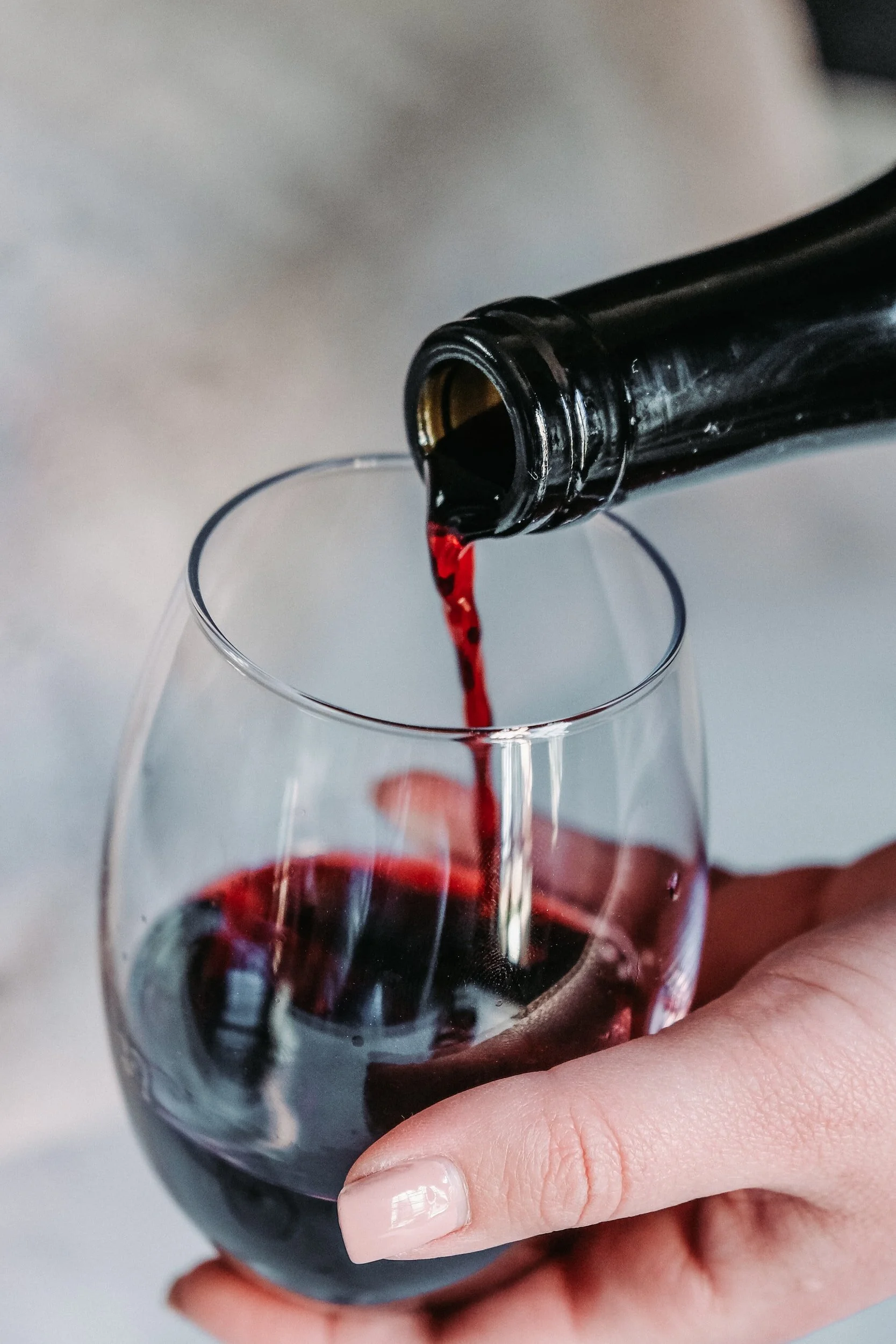
There’s always been this culture around moms and wine. In 2020 the culture for everyone became quarantine wine. Mom wine and quarantine wine have become part of the culture and an evening ritual for many. However before we discuss your commitment to give up week day wine, I’ll make my first point, which is: your reason for drinking wine probably isn’t as general and broad as, it’s just what moms or people in a pandemic do. So keep that in mind as you continue reading.
There’s always been this culture around moms and wine. In 2020 the culture for everyone became quarantine wine. Mom wine and quarantine wine have become part of the evening ritual for many. However before we discuss your commitment to give up week day wine, I’ll make my first point, which is: your reason for drinking wine probably isn’t as general and broad as, “it’s just what moms or people in a pandemic do”. So keep that in mind as you continue reading.
This article isn’t an opinion piece on drinking culture and really has not much to do with alcohol at all. It’s more about why we have certain habits and what happens when we try to change them. Many moms choose wine as an easy way to relax, have some me time, and escape from all the roles they maintain. Same with quarantine, what became a way to stay entertained for a couple of weeks of quarantine, turned into a routine or way to deal with stress as moved into a year of the pandemic.

Now let’s get back to the catchy headline; no drinking during the week (which is something I’ve heard from many clients as 2021 got underway). Many of you decided to drink less because you want to lose weight, improve sleep, or because you feel like this habit of daily wine has been going on too long. So what happens when you cut back on wine? I’ll give you my personal story.
I decided after the holidays that because I wasn’t moving as much, and things felt a little less festive that there was no need to keep wine in the house. Meaning I’d be eliminating the after dinner wine I would sometimes enjoy. I chose to do this because I wanted to be more conscious about unnecessary calories during more sedentary winter months. It was actually very easy for me not to buy, but what I realized is that I’d then buy occasional sweets instead (which is not something I normally do). I even bought juice, which I NEVER do. Why is this significant? Because I was basically replacing wine with something else and that something else just happened to be high in sugar. My replacement was not going to help me with my goal of watching calories. So although wine was easy for me to give up, I hadn’t addressed why I liked wine after dinner in the first place. I was just giving up one cultural habit for another...trading evening wine for evening sweets.
It was time to dig deeper and you should too. If you want to give something up, you have to figure out why you’re doing it in the first place. I came to the conclusion that wine wasn’t a stress reliever, it wasn’t an escape, it wasn’t an addiction, it wasn’t social. Wine was something I did at the end of the night that signified transition. It was where my day ended and evening began. I was in the habit of doing something to mark the change in time and maybe even give myself permission to drop most of my to-do list. When I gave up wine, I still subconsciously needed a transition and that became a sweet treat.

Once I acknowledged my need and the role the wine was playing, I was able to find a replacement I was happy with to signify that transition. This may sound cliche, but now my habit is to start to brew tea as I’m putting my daughter to bed, so that after I say goodnight I can grab my tea and take 5 minutes transitioning to evening mode. Now my replacement didn’t have to be beverage related. It could have been a workout or a bath or calling a friend or writing in a journal or finishing my last email for the day. I chose tea because it would accomplish my low cal goal and help with sleep (Trader Joe’s Well Rested tea). But the point is, if you're attempting to give up wine during the week, or change any other habit, you should first:
Identify why you’re giving up wine/habit
Identify the reason you’re drinking wine/or that particular habit
Find a direct replacement that is healthy and will accomplish the same thing
Assess whether that replacement has other benefits to solidify your decision
As I said, this article isn’t really about alcohol. If you want to give up hours of binge watching tv, you need to determine why you watch it in the first place and what you’ll do instead….or you’ll find yourself three hours in on the next Netflix trend this weekend.
Happy habit breaking!

Six Healthy Habits I'm Happy I Stuck With (Part Two)
I believe in the power of movement, nutrition and physical activity on your mental and physical health and know that it’s important to start that education and those habits young. Looking at my daughter as a six year old, understanding how to take care of her body and having the confidence to be a physically active kid really warms my heart.
I believe in the power of movement, nutrition and physical activity on your mental and physical health and know that it’s important to start that education and those habits young. Looking at my daughter as a six year old, understanding how to take care of her body and having the confidence to be a physically active kid really warms my heart :)
And that brings us to part two of the Six Healthy Habits I’m Glad I Stuck With (as a reminder this post came about after reflecting on my daughter turning six, click here for part one).

4. Eat Dinner (or one meal) Together Every Day: Experts have proven the importance of family meals, not just for nutrition, but for a child’s self esteem, academics and more. Since she was in a highchair, I made sure that if she was having dinner, I was in a chair right next to her having dinner too. I also have gone a step further, and other than when she didn’t have teeth (although I gave my best shot at baby led weaning), her and I have always eaten the exact same meal. In some ways this goes back to the idea of there shouldn’t be food “made for kids”, but I also do it because it gives her exposure to new foods, it models healthy eating without forcing it, it creates less stress for me to have to make and clean up two different meals, and it gives us an opportunity to discuss what we’re eating. Sure this means sometimes the meal is more basic than I’d like or more flavorful than what she’d like...but I always make sure to have one thing in the meal that both of us will enjoy. Where does that leave us now that she’s six...with a consistent evening routine and a lot of interesting dinner conversations. I’ll treasure these moments because I know when she’s older and gets involved in activities this may become harder.
5. Choose Vocab Carefully: I cringe when I hear the terms “good” food or “bad” food the same way I do if I hear the term “good kid” or “bad kid”. Eating ice cream shouldn’t make you feel bad or guilty and can lead to unhealthy behaviors (I’m sure many of us can relate because that was more common how we grew up). It was important for me to have her understand that a healthy diet can include all food, and that some foods should be eaten more than others. My approach was to have her understand the impact certain foods had on us. For example oranges have vitamins that help you not get sick and donuts have a lot of sugar, which can make it hard for you to sleep. Where does that leave us now? She has a sweet tooth like me so she’ll still ask for the ice cream (as the ice cream truck seems to have a permanent home on our block), but she understands when I say no to all of the items in the checkout line, that it’s because I’m looking out for her health. Although she may not be happy with not getting ice cream every time she asks, she doesn’t feel like she’s eating something bad or forbidden when we do indulge.
6. Anatomy and Physiology Lessons: Okay, I know this isn’t difficult for me given my field, but my daughter’s only six so the lessons have been pretty basic. My main goal is her having an understanding about how her body works so that when I make decisions for her health or she makes decisions on her own, it’s an informed decision and not just “because my mom is making me or told me so”. It started with very basic day to day stuff, like making sure we grab our water bottles before we leave the house because our body runs on water. Or put your hand on your chest after running around and feeling how fast your heart is pumping. It’s also using appropriate names for body parts like vagina or perhaps a bit extreme, “abrasions” instead of “boo boos”. It’s been simple to provide her with this information as we go through our day and now that she has some understanding she is very comfortable talking about all of her body parts. What impresses me the most is that she’s moved down the spectrum of behavior change from having the knowledge, to having a positive attitude about health, to now making decisions that she feels are best for her. These decisions range from going to her room to lay down when she’s feeling grumpy, to drinking more water when she is sick, to asking me which foods on her plate will give her the protein for strong muscles.

As I mentioned in part one, this is somewhat unsolicited mom advice, and what works for me, may not work for you. But, as I’m sure you know from experience, habits learned at an early age (for better or worse) tend to stick longer and are easier to adopt. So if there is something that’s important to you, a healthy habit you want your kids to always know…then keep at it. Find a way to have a healthy family.
Need help getting yourself healthy, so you can be the role model you want to be? Schedule a free phone call with me and I’ll point you in the right direction.