
Active Mom Insights
Blog posts by Ashley Reid

Quiz: How Important is Fitness to You During the Holidays?
Schedule irregularity, emotions/stress at a high level, guilt about nutritional choices, priority shifts...the holidays can derail your fitness. The truth is that for most of us, the period from the end of November to January looks different than your life right now. And before you even continue reading, I'd like you to ask yourself...how important is your fitness during the 5-6 weeks of the holiday season?
Schedule irregularity, emotions/stress at a high level, guilt about nutritional choices, priority shifts...the holidays can derail your fitness. The truth is that for most of us, the period from the end of November to January looks different than your life right now.
And before you even continue reading, I'd like you to ask yourself...how important is your fitness during the 5-6 weeks of the holiday season? Seriously, would you say:
VERY IMPORTANT
MODERATELY IMPORTANT
NOT IMPORTANT AT ALL
Once you have your answer, skip to the appropriate section for my suggestions. This is a no judgment zone, do what works for you.

VERY IMPORTANT

This is usually the choice if you've been making progress, you feel better when you exercise, you don't want to disrupt your routine or feel like you have to "get back on track". And in that case, it absolutely makes sense to create a plan so that you can enjoy the holidays while keeping up with exercise. Here are my suggestions:
Make physical activity part of your tradition. Plan a pre-dinner walk or jog, go ice skating, do a 12 days of fitness challenge or turkey trot (virtual 5K).
Be an early riser! Even if you don't normally workout in the mornings, commit to AM workouts. There will be less chance of something getting in the way and it will give you time to enjoy the evenings with your family.
Pick a focus. If you're seeing a lot of progress in one area of fitness, let that be your priority and give yourself some grace in the other areas. Example: make strength training a priority and maybe bike a little less or vice versa.
Commit: schedule and pay ahead of time for any classes, training or activities you'd like to stick with. Example: Purchase ice skating tickets, schedule with your personal trainer, put workouts in your calendar.
MODERATELY IMPORTANT
This is usually the choice if you've been pretty consistent with fitness and based on past experience know that a little less consistency during the holidays won't break you. You're the type of person that can get back on track pretty quickly. You probably like to balance fitness and indulging a bit. Here are my suggestions:
Plan to be flexible. Rather than planning workouts for specific days of the week, plan ahead for the type of workouts you like to complete. Example: 2 strength workouts within the week. That way you can fit them in when you have time and not feel guilty if you miss a "Monday workout".
Choose less intense workouts. If you tend to feel a little more laid back about fitness during the holiday you're probably less likely to want to go all out. Aim for shorter duration and less sweaty.
Be OK with maintenance. Give yourself some grace that you might not see any gains and that's OK. Your goal is to maintain and not self-sabotage.
NOT IMPORTANT
This is usually the choice if A) you're not consistent now so why start during the holidays B) trying to fit in exercise feels stressful C) You've been working so hard, you're OK with giving yourself a break...you're also confident that you can get back on track quickly. Here are my suggestions:

Choose a new activity or workout. Make it as a treat or form of self care. Get completely out of your normal routine and make it something you'll look forward to. Set something up just once per week.
Keep moving. Although formal workouts might not be your thing during the holidays, aim to get in lots of walking, dancing or activities like hiking, skiing or sledding with your family.
Don't completely rule it out. There may be days that you do feel like a good workout. Don't decide on weeks of inactivity because that's just not healthy. Have a go-to workout on hand for days you have the time.
Have a plan to begin again in January. Book classes, activities or training sessions now so that you're all set when the holidays end! It’s not getting off track if it’s in the plan.
If you're looking for a workout that:
You can keep on-hand to do when you feel like it
Is flexible and can be done anytime
Helps you commit to fitness during the holidays
Sign up for a one month Core, Function & Fitness training plan, which include 3 strength workouts and 2 core workouts. Free trial and cancel anytime! Prenatal plan available!
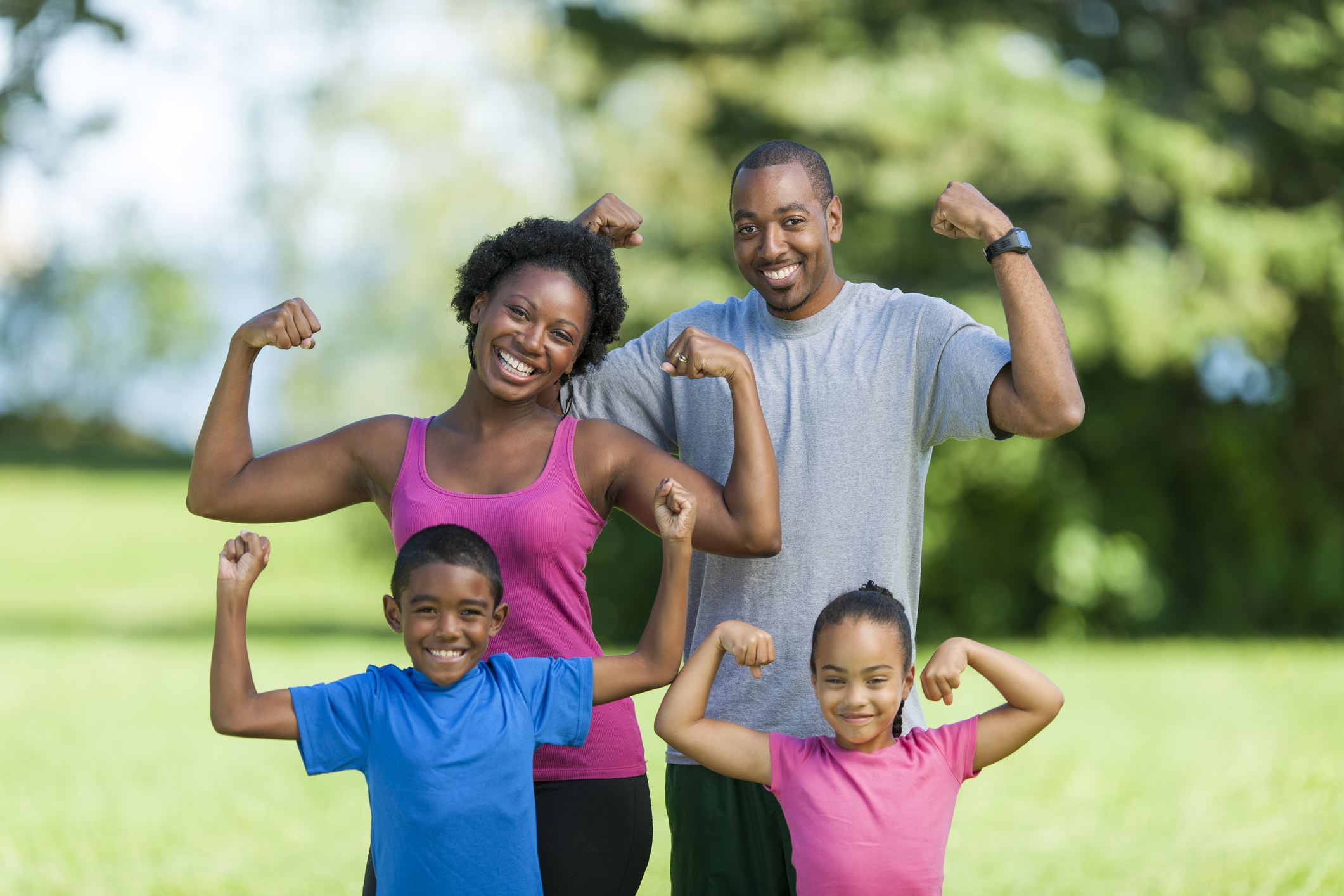
7 Best Ways to Balance Family and Fitness
Is there such a thing as balance when it comes to fitness and family? Finding time for fitness has always been a non-negotiable for me. I need to exercise just as much as I need my daughter to understand the importance of exercise. It doesn’t mean it’s always easy, but it’s definitely doable if you want it to be.
Is there such a thing as balance when it comes to fitness and family?
Finding time for fitness has always been a non-negotiable for me. I need to exercise just as much as I need my daughter to understand the importance of exercise. It doesn’t mean it’s always easy, but it’s definitely doable if you want it to be. Here are some tips from me and Erin, who has 10 and 14-year-old boys.
1.Start early. Like with any habit, the more times it’s done the easier it becomes and the more accepted it is. At first, it may feel impossible to workout with a baby or toddler around, but don’t give up. Eventually, your kids will come to expect it and they’ll realize their efforts to demand your attention during that time will fail. If you’re starting when they are a bit older, make the transition easier by inviting them to participate or starting with shorter durations of time. If you’re starting young, try outdoor workouts first. Kids love being outdoors and will be distracted by the environment which means less work for you.

2.Find activities you can do together as a family. This serves several purposes: A) It allows you to burn calories and workout without mom guilt. B) It creates memories of time spent together. C) It helps the whole family relieve stress and improve health. D) It shows your family the importance of caring for your body through movement. E) An added bonus is finding new things to do as your kids get older (think going from pushing them in a jogging stroller while you run to mountain biking together on vacation).
3.Have a plan B. Not everyone enjoys working out at home or alone, but if you have a family sometimes that’s the only way to stay consistent. This doesn’t mean it has to be your primary source of exercise, but having a go-to fitness routine when schedules change, kids get sick, or the day gets away from you is crucial.
Get off your phone! How often do you go to an activity for your kids or the park and just sit and scroll. That’s precious time! Make a plan to be active. Get comfortable with a quick workout during soccer practice or playground time. Your kids are moving, why shouldn’t you?
Be flexible. You might not get the room to yourself for home workouts...exercise anyway. Kids, pets, partners...let them watch, participate (or challenge you with distractions), but don’t let that be your reason not to workout.
Book the time on your calendar (and the family calendar if you have one) and honor it! Workouts shouldn’t be the first thing cancelled alllll of the time. Sure things will come up, but treat that time as though it is a lunch with a best friend or a critical work meeting with your most important client. If you have a consistent schedule, book for the same time each week for a month in advance. If not, aim to schedule your fitness on a weekly basis.
Ask for help. Exercise is essential for good health (this is a fact, not an opinion). Moms have a hard time asking for help. We think we need to justify ourselves. We think we need to manage it all. If we can get past that mindset we would be a lot healthier. Fitness is a great reason to ask for help. Let’s stop feeling guilty about it.
The truth is balance in any area of life may not truly exist, but priorities do. It’s fine if fitness isn’t in your top 3-5 priorities, but if it is, YOU CAN and will make it work. It’s true I may not have time for other things if I’m prioritizing exercise (tv, sitting down for lunch, cooking dinner every night), but I’m OK with that, because I feel like I am balancing fitness and family (most of the time!).
Erin has found success by choosing virtual strength sessions and the monthly membership program. Let me know if I can help you find your fitness while balancing your family!
Advice on Prenatal Exercise: 3 Tips to Achieve 40 Weeks of Workouts
I’ve collaborated with two mamas-to-be to provide you with their advice on exercise during pregnancy. I’ve worked with both Shannon and Jen for 40 weeks of prenatal workouts. So consider these 3 tips you approach exercise each trimester.
Tip 1 from Shannon: Consistency is key. Consistent exercise feels better physically, but just as important, consistency will help you overcome that guilty pressure of needing to “get back on track”. Even if you can’t do much, do something to stay consistent. This could be a 40 minute workout, it could be a 5 minute walk. Either way check that box and get it done.
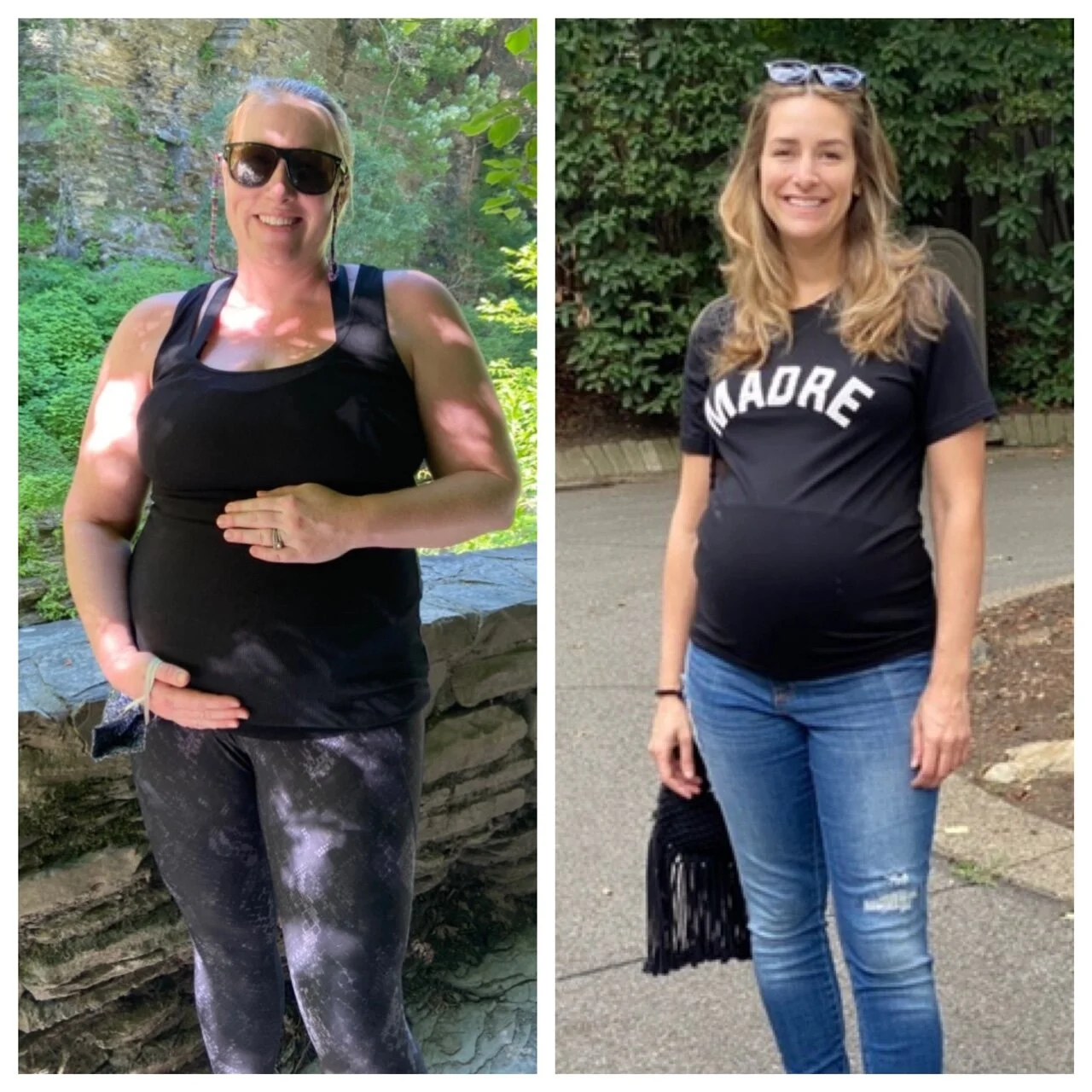
Jen and Shannon
Tip 2 from Jen: Build a relationship with your trainer. This is a great point. Any fitness professional experienced in prenatal exercise will do their due diligence to ask you about your experience, complications, history, etc. You don’t want to have to catch every new instructor up, or worse, not have them understand your strengths and weaknesses. You’ll receive better workouts and your trainer will feel more confident challenging you if you’ve built a relationship. Jen adds, “I have a constant connection with Ashley so I am more aware of how hard to push myself and/or to know what to look out for! Ashley keeps me updated as to what to watch out for if certain pains pop up. This enables me to continue my training with confidence.
Tip 3 from Shannon: Be kind to yourself. “You never know what kind of day you are going to have. Energy flow fluctuates so much throughout different trimesters and can change daily. At a certain point, your body just grows and changes and things you used to be able to do, you just can’t do. I’ve also cut back slightly on how frequently I workout as I get closer to the end, which is okay. I’m still making the time as my body feels it can. I agree with Shannon. For some the hardest part of prenatal exercise is mental. You want to challenge yourself, but you don’t want to be rigid in your goals. With hormones shifting and your body physically changing, your mentally have to be flexible and try to be OK with adapting as needed.
If you’re pregnant and ready to get started, check out 5 Tips for a Stronger Core During Pregnancy.
Ashley Reid is an exercise physiologist with the only strength-based studio for moms and moms-to-be in Philadelphia.
Four Tips to Structure Your Home Workout Routine So That You Get Results
With virtual fitness options now in abundance, you should have no problem getting results right? Well, it actually isn’t that simple…but the good news is that with these tips, it isn’t complicated either.
With virtual fitness options now in abundance, you should have no problem getting results right? Well, it actually isn’t that simple…but the good news is that with these tips, it isn’t complicated either.
Keep your goals in mind: Your fitness priorities should dictate your choice of exercise. Although it is fun to try different studios and formats (and you definitely should take advantage of this if it interests you), keep in mind that jumping around from program to program probably won’t get you closer to a specific goal. If your goal is muscle definition, you need to choose strength workouts. If you want to rebuild after baby, then search for core safe workouts. In general your focus should guide which workouts you prioritize. There is nothing wrong with mixing things up, but you should be at your best for the workouts that are aligned with your goal.
2. Be strategic and plan your week: don’t leave it to chance that you’ll find the right workout on the right day. Your weekly plan should account for varying intensity, recover, duration, etc. If you’re choosing HIIT everyday, when are your muscles recovering? If you’re spinning everyday, when are you working on core? Develop a plan and search for workouts accordingly.
3. With limited equipment, look to maintain muscle: The good news is that if you’ve been working hard to gain muscle, with limited equipment you don’t have to lose all of your gains. Rather than stressing about not being able to lift heavier weights, use resistance training strategies like plyometrics, decreased rest time, eccentric contraction, decreased cardio and increased protein intake to maintain the lean muscle mass.
4. General activity matters: Remember it’s not just about that 30-60 minute workout. Whether you’re after health benefits, weight loss, mental health or peak fitness shape, your body needs to move often. If you’re sitting for long periods then you should work in movement breaks. If it’s an “off day”, still get outside for a walk.
Sample Schedule: For those of you currently working with me or if you’re interested in joining my virtual workouts, here’s how I’d suggest structuring your week. Find all virtual options that can easily be purchased online here.
Monday: Virtual private session focused on your goal and designed specifically with the equipment you have available. Pair with 1-2 moderate intensity walks outdoors.
Tuesday: Moderate to vigorous cardio depending on your fitness level and stage of motherhood (walking, running, biking, spinning, HIIT, etc.). Pair with 1 light intensity walk outside.
Wednesday: Live streamed strength class or virtual private training (Stronger After Pregnancy, Active Pregnancy or Trifecta). Pair with 1-2 short walks/runs outdoors (your choice on intensity).
Thursday: Live Streamed Core Mat Class. Pair with 1 long moderate intensity walk or run outdoors
Friday: Strength class or private training (Stronger After Pregnancy, Active Pregnancy or Trifecta). Pair with 1-2 moderate intensity short walks outdoors.
Saturday: Live Streamed Core Mat class paired with a family activity (hike, bike, walk, dance)
Sunday: Recovery and Mental health focus (yoga, foam rolling, family time, etc.)
If you’ve just had a baby or are ready to take your first steps toward fitness, try start with Active Mom Fitness today!

Five Home Workout Tips For Moms: Exercise When You're Home With Kids?!?!
These 5 Tips require a bit of a shift in how we think about exercise, but trust me, you can absolutely maintain and gain fitness while working out at home.
Be creative in what you consider a workout.
Some of you are always juggling family time and fitness time. Some of you have a good routine going where you can escape to the gym. Others may be wondering how you can possibly workout with kids at home. However at the time this post was written, all moms are in this together. We’re home with the kids (social distancing) and need to figure out how to fit in exercise. These 5 Tips require a bit of a shift in how we think about exercise, but trust me, you can absolutely maintain and gain fitness while working out at home.

Be creative in what you consider a workout. Your three year old might not get excited if you ask them to participate in squat jumps, planks or sprints. However, what if you said, “join mommy and jump like a frog (squat jumps), build the strongest bridge (plank) or be a race car driver (sprints)”? Stretch your creative brain and you and your child are in for a good workout.
Short bursts are best. Most children don’t have the capacity for endurance workouts or have a ton of stamina. Take a look around a playground. You’ll see kids running running running and then stop for breaks to climb or swing. Consider this format when planning your workout and you’ll save your sanity. Interval workouts have proven fitness results so plan for 30 seconds to 2 minutes of exercise followed by 1-2 minutes of recovery…also known as tending to whatever your child needs during that time.
Break out the music. Seem obvious? Who doesn’t love a good playlist during a sweat session? Working out at home with kids may mean you switch up your mix. Look for songs that will keep them entertained or even guide in their movement. Think “head, shoulders, knees and toes” or “5 little monkeys jumping on the bed”. Better yet, follow along to this freeze dance workout with your kiddo.
More is more. More short workouts throughout the day are better than one long workout. You’ll have more flexibility if you’re trying to squeeze in three 10-minute sessions versus a 30-minute session. Workouts boost your energy and mood so an added bonus is you’ll stretch the positive vibes throughout the day. Additionally, this mimics a school schedule so if your kiddo is used to dance, free play, recess or gym it's a great way to get them on board with your exercise break. It’s a win-win for you and the fam.
Accept your routine/workout won’t be the same. If most of your workouts take place outside of the home and you temporarily have to find a way for fitness with your children, don’t stress by trying to replicate those workouts. It’s OK to switch up exercise goals and focus. Think of athletes. They have coaches and professionals ensuring they don’t do the same routine year round. They have different seasons. Consider this a change in season for you. Choose a new focus that’s realistic for you. Maybe this means focusing more on yoga, or recovery, or body weight exercise?? Don’t stress. It doesn’t have to be the same. Just keep moving!
See my “working out your workout routine” interview with CBS Philly here. If you’re looking for a little more accountability, try Active Mom Fitness Virtual Live Streams or Private Training. Be sure to subscribe to the Active Mom Fitness Youtube channel for free content.
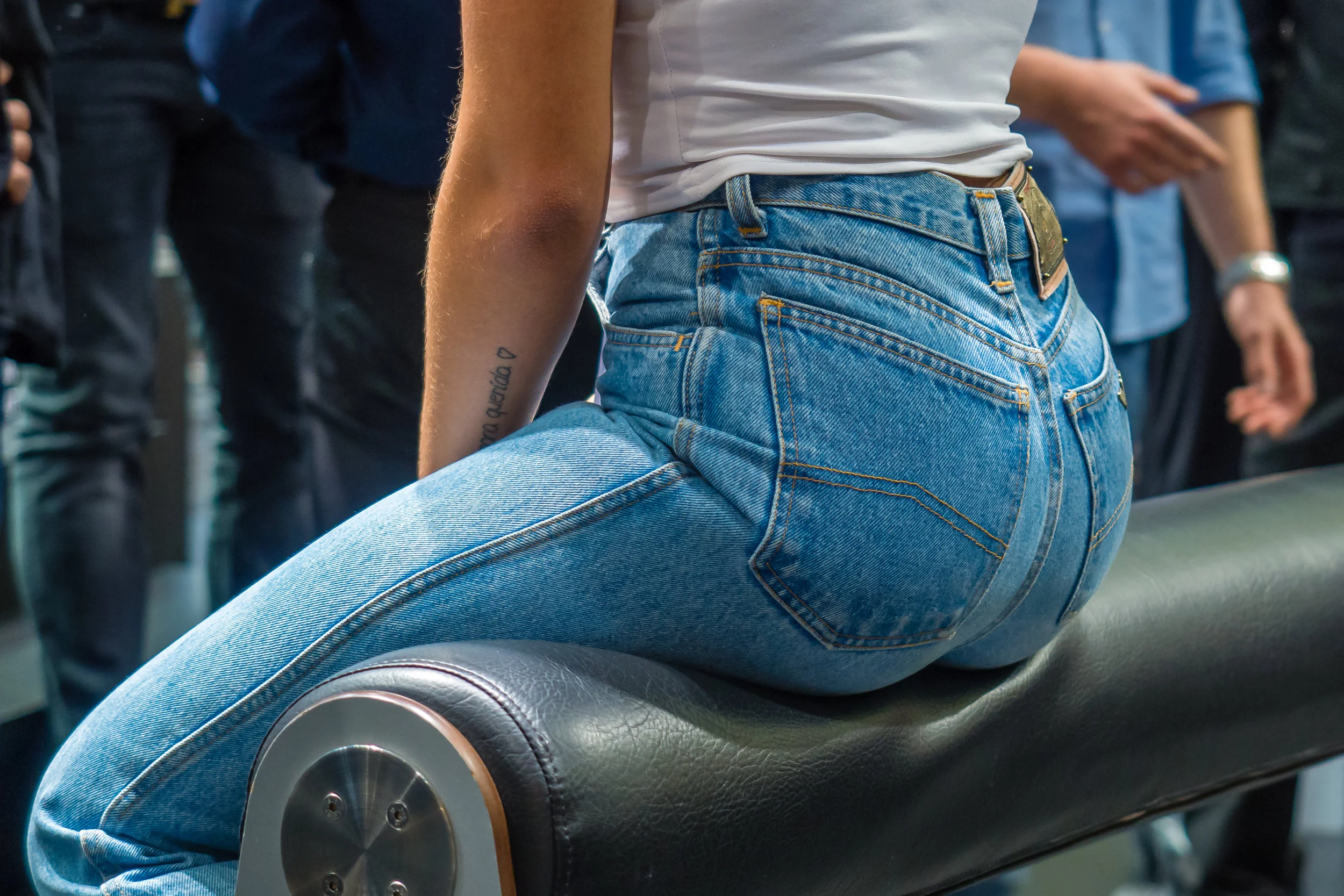
"Mom Butt": When Your Jeans Don't Fit The Same After Baby
Yes, the term is unflattering, but it’s a thing. If you’re fully recovered and ready to begin sculpting some curves, this is what it’s going to take:
Yes, the term is unflattering, but it’s a thing.
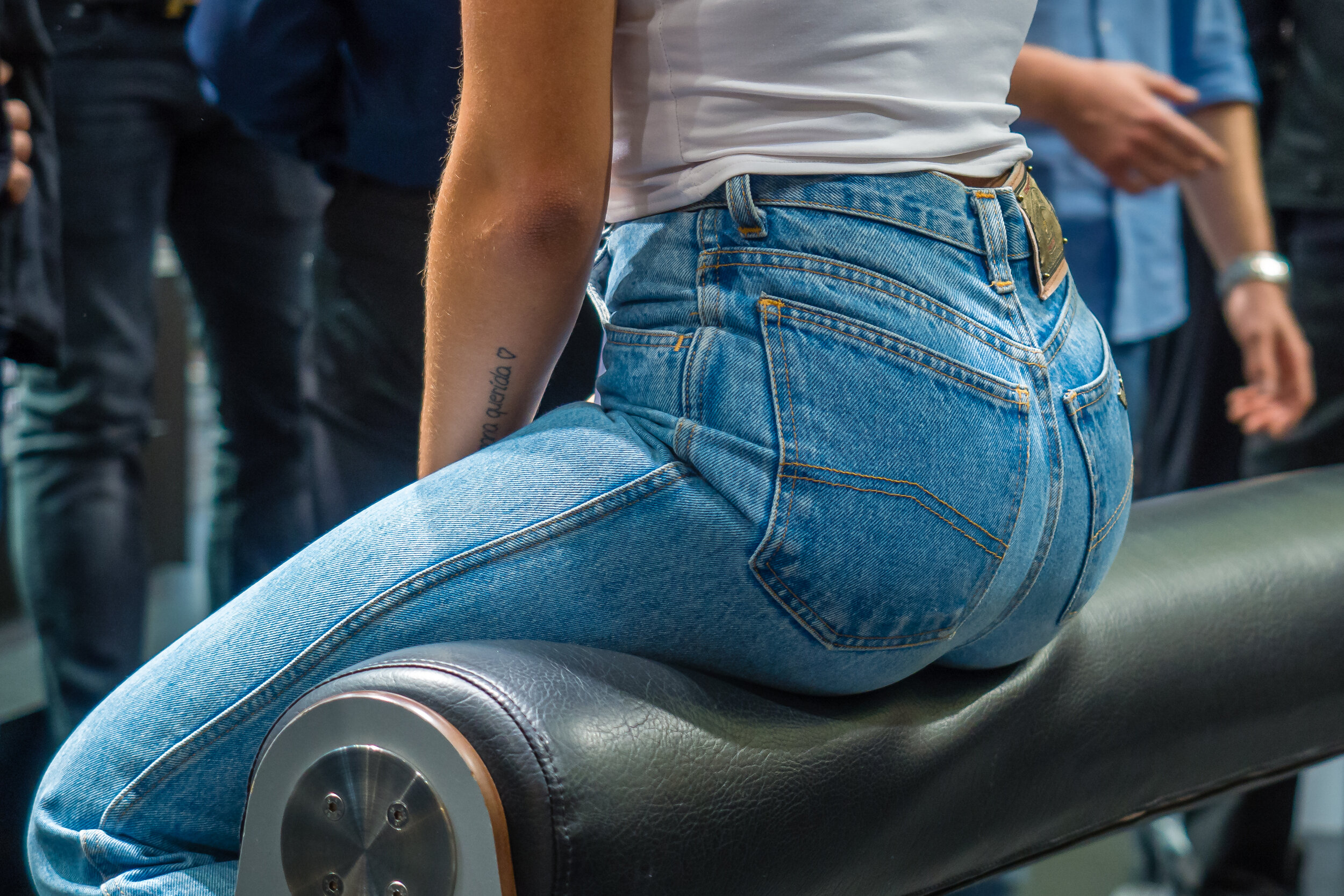
The most important part of your fourth trimester is your postpartum body recovering and building strength...however once you’ve made progress there, you may start to question where did your butt (glutes) go???
Sooo for real, where did it go?
Keep in mind your body changed so that you could carry a child, it takes time for those adaptations to shift. For some, it can take up to 12 months for tissues to heal and hormones to regulate (all affecting your fitness and the fit of your jeans), so be patient.
During pregnancy anatomical changes occur to make room for the baby. Heavier breasts, larger belly, wider hips...they all impact glute use, therefore impacting glute strength and shape.
Ok, I get that, but why didn’t it come back post-baby?
Unfortunately, it’s not just going to return because the baby arrived. Like any muscle, you have to work to maintain it, to strengthen it, and to grow it. However, during the postpartum period or when many moms return to exercise they do things to sabotage those efforts.
I don’t want to get in my own way…how am I sabotaging my efforts?
Focusing too much on cardio. Cardio is great if you love it and it obviously has health benefits. However, in general, cardio doesn’t build muscle the way strength training does. If you enjoy it, do it…but if your priority is muscle definition then it shouldn’t be a priority in your exercise routine.
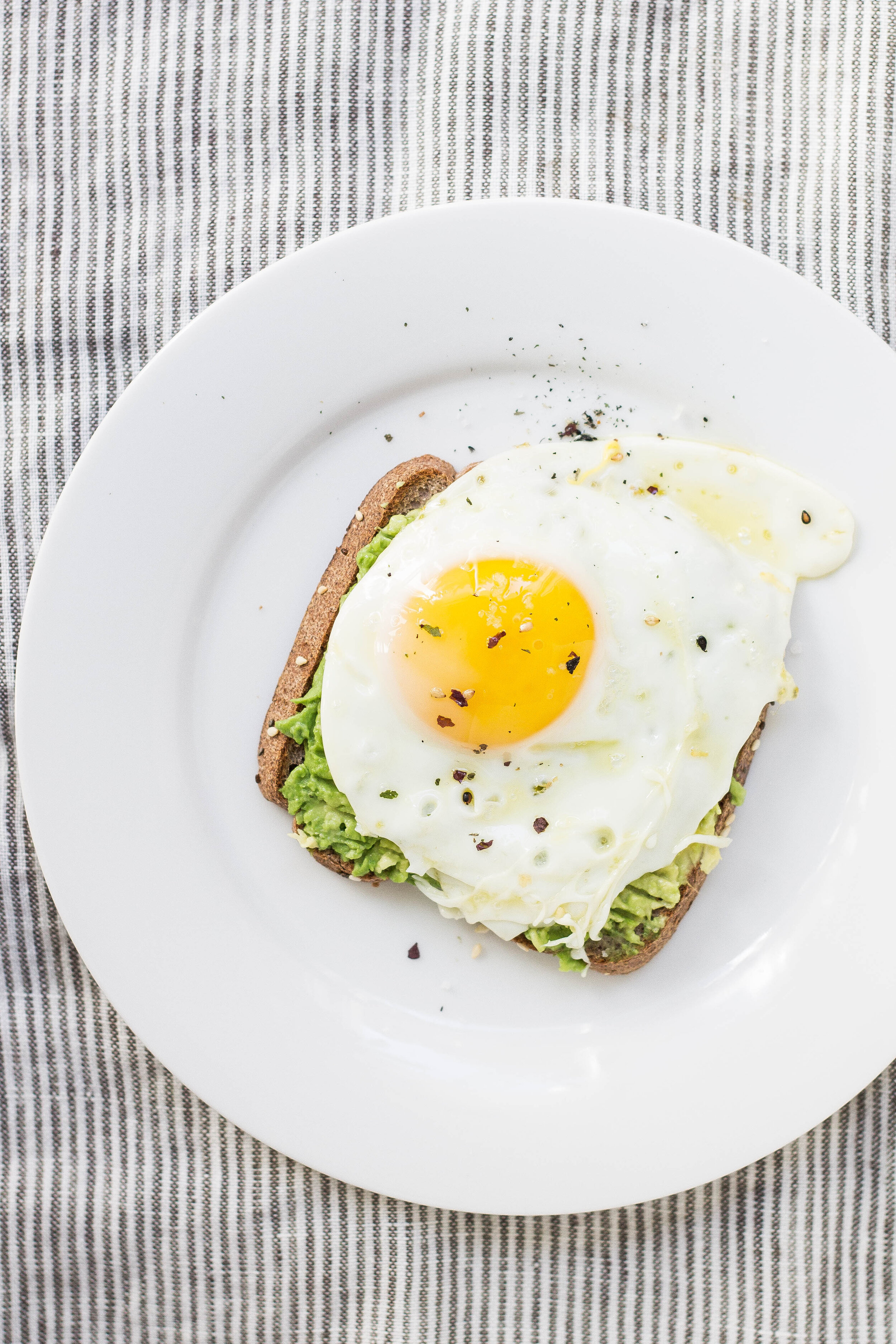
Not planning ahead and grabbing snacks and meals without enough protein. In general, it’s recommended that people consume .8g of protein per kg of body weight daily. If you are strength training that range can increase to 1.2-1.7g/kg. It’s hard to consume that amount without some planning and effort.
Not dealing with pain and recovery first. Glutes connect to the pelvis which is directly impacted by pregnancy. If you have any pelvic pain or pelvic floor concerns, address those first or along with your fitness program. If you don’t, you’ll limit your ability to perform exercises correctly and put yourself at risk for injury.
Not making time for exercise. If you’re picturing sculpted glutes, it’s going to take time. It’s important to be realistic with yourself. If your child is still very young, lofty glute goals may not be an option from a time perspective. If that’s the case, a quick and functional full-body strength training plan may be more appropriate to start. It will set you up for success when you are ready to commit more time.
Got it. Anything else I should keep in mind?
If you’re fully recovered and ready to begin sculpting some curves, this is what it’s going to take:
Consider your glutes as part of your core system. During the postpartum period, all muscles that connect to your pelvis need to be strengthened and learn to work together as a unit. Strengthen the glutes, but don’t neglect your inner/outer thigh, back extensors, pelvic floor, and abs.
Train using multiple movements. Your glutes help your body perform many movements so your training plan should account for this. Perform squats, lunges, hip extensions, deadlifts, hip thrusts, hip abductions, etc.
Remember, your body is not going to be the same as pre-pregnancy. Is this a bad thing? Not at all! The best part of postpartum fitness is the opportunity to approach training in a new way, with the ability to be stronger than ever before!
Feeling strong and confident as a mom is the most important thing, but, if you have personal aesthetic goals, there is nothing wrong with that. Get after it!
If you’re looking for some guidance, try my self-paced Mom Butt: Glute Training Essentials Program!

Your Baby Might Be the Size of a Fruit, But Your Butt is No Longer Peachy
Belly gets bigger, boobs get bigger...butt gets flatter?? Why is Your Rear Disappearing During Pregnancy
It’s true, some of you may experience a booty gain during pregnancy…However, many of you will experience the opposite, your butt (your glutes) appears to flatten.

Belly gets bigger, boobs get bigger...butt gets flatter?? Why is Your Rear Disappearing During Pregnancy
It’s true, that some of you may experience a booty gain during pregnancy. This has to do with where your body decides to distribute the additional fat that is stored during pregnancy. However, many of you will experience the opposite, your butt (your glutes) appears to flatten.
Why does this occur?
During pregnancy, your body anatomically changes to make room for your growing baby. Weaker abs, a growing belly, and heavier breasts can cause your lower back to start to sway (increased lordosis). This position of your pelvis provides the least amount of glute activation.
Additionally, your hips start to widen and your feet externally rotate, again causing less use of your glutes and the appearance of a flat butt. If you're fortunate to not have a deflated peach, functionally there is still a good chance that you are losing strength (even though the additional fat may not reduce the size of your glutes).
Lastly, not all, but many pregnant women choose different exercises and activities during pregnancy or aren’t active at all. Activities like prenatal yoga or walking are great, but they don’t do a whole lot for maintaining those rear curves. Muscle strength and definition require strength training.
So what can you do about it?
During pregnancy, your goal shouldn’t be to sculpt the best glutes of your life or to PR (personal record) in the weight room. Your goal during pregnancy should be to maintain a healthy weight, stay active, and maintain strength in the muscles commonly weakened by pregnancy. Strength training twice per week is hugely beneficial. You’ll maintain strength not just in your glutes, but your entire body…hopefully providing a more comfortable pregnancy. Subsequently, you might just keep a little shape in your rear.
How can training your glutes support your body during pregnancy?
The hormone relaxin “relaxes” your joints so that your body can adapt to the baby. This can create joint instability. Strong glutes help maintain stability in the knees, spine, and hips.
Glutes support hip extension. Strong glutes can reduce pregnancy low back pain by preventing excessive lumbar extension or overusing your lower back.
Pelvic pain is another common pregnancy complaint. Strong glutes can help stabilize the SI joint, reducing the risk of pain.
Tips for training:
Train your glutes as part of a full-body strength/resistance program twice per week.
Do more than just squats: if you have no complications or pain you can perform a large variety of exercises. There is no “one size fits all” guide to exercise. It will depend on your energy level, previous experience, technique, and intuition as to how the exercise feels. In general, as your pregnancy progresses your exercise choice may change. But recognize hip extension, adduction, abduction, standing, lying, sitting, dumbbells, bands, and bodyweight exercises are all great options.
Prepare for caring for your baby. You’re going to do more bending and picking things up compared to pre-baby. Consider hip extension exercises like hip thrusts, bridges, kickbacks, quadruped hip extensions, and deadlifts as good additions.
Eat a healthy pregnancy diet, including sufficient protein (.8g per kg of body weight is the general recommended daily amount, but if you are strength training/active, that range can increase to 1.2-1.7g/kg. Although it’s harder to find pregnancy-specific guidelines, one study showed the need to intake 1.2-1.5 g of protein per kg of body weight.
So as you keep getting those What to Expect While Expecting fruit and veggie updates, don’t forget your peach needs a little love too!
If all of this information feels a bit overwhelming, and you want someone to guide you, try the Self-Paced, Mom Butt: Glute Essentials Program!

2019 Fitness Reflections: Don't Skip This Goal Setting Step
Taking the time to acknowledge success and identify challenges will better prepare you to not only set realistic and achievable goals, but put more thought into your plan to achieve them. Do yourself a favor, find 10 minutes and use these questions as a guide. Take a day to let your answers process and then get to goal setting!

Setting goals, creating an overall plan and then designing a step by step process to achieve that goal is a strength of mine almost to a fault (as it can be time consuming to create detailed plans). However, this strength is what allows me to help others reach their goals and why I keep Active Mom Fitness training personalized. One discussion I like to have with people before looking forward is to get a picture of their past. So this year, as we approach 2020 and you get ready to set fitness goals for the New Year, I encourage you to reflect on 2019.
Taking the time to acknowledge success and identify challenges will better prepare you to not only set realistic and achievable goals, but put more thought into your plan to achieve them. Do yourself a favor, find 10 minutes and use these questions as a guide. Take a day to let your answers process and then get to goal setting.

2019 Fitness Reflection Questions
1. I was able to be the most consistent with exercise when______.
2. The biggest barrier to interfere with my exercise routine was______.
3. If I plan ahead, I could work around that barrier by ______.
4. One physical activity I’m really happy I did this year was______.
5. One goal that turned out to be unrealistic was_______, because_________.
6. I said I was going to ______ this year, and I did!
7. Exercise this year made me feel______.
8. I really enjoyed being physically active with my family when we ______.
9. One area in my fitness that I could use more guidance and support is______.
10. Yay me! The best part of my wellness in 2019 was ______
I hope you found this reflection enlightening. Keep this in mind as you set and get ready to crush your 2020 goals! If you’re looking for guidance on setting and achieving new goals, schedule a free phone consultation to see if Active Mom Fitness can support you in the new year!

Is Your Stroller Causing You Pain?
Pushing a stroller may seem like a simple movement and necessary convenience, but like any movement we do over and over, if we don't do it correctly it can lead to discomfort, or worse, injury. The intention here is not to scare you from stroller use, but to help you prevent the aches and pains it can cause with poor form. Start with these two tips and start moving better today!

Pushing a stroller may seem like a simple movement and necessary convenience, but like any movement we do over and over, if we don't do it correctly it can lead to discomfort, or worse, injury. The intention here is not to scare you from stroller use, but to help you prevent the aches and pains it can cause with poor form. Start with these three tips and start moving better today!
1) Check handle bar height. The height of the handles can impact your wrists, shoulders and neck. Take a look down the next time you're pushing. You want your wrists in a comfortable, neutral position (straight line from your arms down, without flexion or extension). You also want to make sure the height doesn't cause you to hold tension in or round your shoulders. You should be able to push with your chest up and shoulders relaxed.
2) Body close to the stroller. This can be especially difficult when the stroller is heavy or you are pushing up an incline, but to protect your low back, you want to avoid excessive forward lean. A chest up position (ribcage over your hips) is ideal for your pelvic floor, will allow you to stabilize your core, and will encourage you to use your glutes to propel forward. If your arms are fatiguing before your legs, or you have low back pain after a long walk, then chances are the right muscles aren't firing or your positioning is incorrect.
3) Build core strength. Although the stroller isn’t terribly heavy, the posture and pushing action does require core muscle engagement. Your posture isn’t completely upright while pushing a stroller so in order to keep better alignment and have as many muscles as possible supporting the action, your core needs to be strong. After having a baby, core training should be progressive. For many people it starts with breath and learning how to coordinate the deep abs and pelvic floor muscles. If you need a few tips on getting a stronger core, check out this free download.
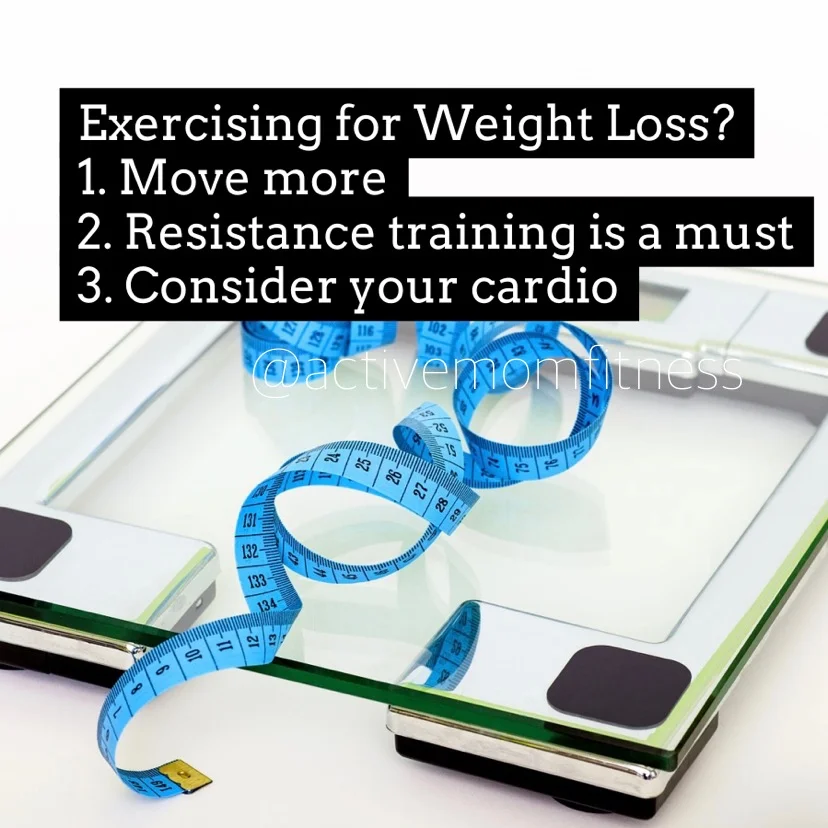
Exercising for Weight Loss: Are You Taking the Right Approach?
When it comes to weight loss, there are many factors, but simplified, to lose weight you need more energy (calories) going out than energy (calories) coming in. This is where exercise is an asset.
I have one disclaimer before I dive into my recommended approach. I titled this article using the word “exercise”, but what I’m really talking about is the umbrella term Physical Activity. Physical activity is broad and means your body is moving, whether for sport, fun, commuting, exercise, etc. I make this distinction because I consider exercise a structured form of physical activity that comes with the intention of improving physical fitness. Both require energy so we’ll discuss both exercise and physical activity in my top three considerations for weight loss.

When it comes to weight loss, there are many factors, but simplified, to lose weight you need more energy (calories) going out than energy (calories) coming in. This is where exercise is an asset. When you’re moving you’re using energy (burning calories) so exercise in addition to consuming less calories in your diet are two top weight loss strategies. Research shows that moms have the most weight loss success when combining nutrition and exercise. You can check out expert nutrition strategies for weight loss here.
I have one disclaimer before I dive into my recommended approach. I titled this article using the word “exercise”, but what I’m really talking about is the umbrella term Physical Activity. Physical activity is broad and means your body is moving, whether for sport, fun, commuting, exercise, etc. I make this distinction because I consider exercise a structured form of physical activity that comes with the intention of improving physical fitness. Both require energy so we’ll discuss both exercise and physical activity in my top three considerations for weight loss.
My Number One Recommendation: Move More. Do not make the mistake of thinking only exercise burns calories. It all counts. You pick up any fitness magazine and weight loss is always tied to exercise. But, as a mom you probably have more opportunities during your day just to “move” than to “exercise”, so physical activity deserves just as much attention as your workouts. You want to burn more calories every day? Increase your physical activity and move more! A future post is coming on moms and physical activity, but a good starting point is to think about times that your children (even if its tummy time) are moving and how you can join in for a few minutes here and there. More minutes of movement equals more calories used.
My Number Two and an Essential Consideration: Resistance training (strength training, weight lifting, etc.) is a must! In my opinion, resistance training is more important than cardio when it comes to weight loss. Resistance training is movement, so while performing it you’re burning calories AND while you’re recovering from it, you’re burning calories. More importantly, resistance training ensures that you’re preserving muscle while losing weight (meaning the weight you’re losing is fat). Sure you can drop weight without resistance training, but muscles are what gives you shape and helps your metabolism in the long run, so you want to lose as little lean mass as possible. For health benefits, it is recommended that you perform resistance training on each major muscle group twice per week. For most moms I find this is a good starting point because this baselines isn’t yet being met. Your goals, needs, physique and other parts of your exercise program will determine your resistance training needs, but beginning with two workouts each week is essential.

Third Recommendation: Consider your Cardio. Outside of the health benefits, cardio (or aerobic) exercise is a great way to make sure your body is efficient at using the food you consume for energy. At one point spending hours and hours at the gym on a machine was everyone’s approach to weight loss. Now HIIT (high intensity interval training) is all of the rage. Fitness trends change as research progresses. This doesn’t mean the old way is no longer good and doesn’t make the new way the best way. My point is that there are benefits to all types of cardio depending on your goals, abilities and most importantly what you enjoy. If your end goal is to run Broad street then running should be a part of your weight loss plan. If you’re short on time, HIIT is a great way to burn calories long after the workout is over. If you prefer music and choreography, dance classes might be your best bet. Get your heart rate up and burn calories in a way that’s appropriate for you.
As I mentioned early, physical activity isn’t the only factor in weight loss, but if you’re not “moving” your approach is lacking. I give general advice with caution because when it comes to exercise, it’s safer and more beneficial when it’s customized for you. If you’re a new mom, check out my guide to see if you’re ready to embark on your weight loss journey.
If you’re new to exercise, having trouble getting started, or aren’t progressing any more, let me help you with a customized approach.
Get moving!
New Moms and Weight Loss: Nutrition Advice from the Experts
I often hesitate to discuss weight loss with new moms because it shouldn’t be your first priority. Your recovery and caring for baby are. However, often times hanging on to the excess weight can make you feel more tired, make physical activity less desirable and you may hear a nagging voice every time you get dressed. So although not a priority, weight loss is worth addressing.
There are thousands of articles, books, and methods when it comes to nutrition. I reached out to two fellow mamas and registered dietitians/nutritionists to help you with your approach.
I often hesitate to discuss weight loss with new moms because it shouldn’t be your first priority. Your recovery and caring for baby are. However, often times hanging on to the excess weight can make you feel more tired, make physical activity less desirable, and you may hear a nagging voice every time you get dressed. So although not a priority, weight loss is worth addressing.
It’s important to point out that weight loss requires caloric deficit, meaning more calories out than in. Ideally this is accomplished through a combination of what and how much you’re eating, and how much you’re moving each day. Most dietitians don’t recommend restricting calories while still healing and/or establishing breastfeeding. I agree that trying to lose weight too soon can do more harm than good. So before you embark on weight loss efforts, check out my guide on when you should begin to think about weight loss.
OK….now to the good stuff. There are thousands of articles, books, and methods when it comes to nutrition. I reached out to two fellow mamas and registered dietitians/nutritionists (Beth Auguste of Be Well with Beth and Jennifer of Jennifer Weis Nutrition Consulting) to help you with your approach. Here is a simplified version of their top nutrition strategies for weight loss:

No cleanses or elimination diets. This includes carbs! Jennifer believes that unless there is a medical reason, elimination diets typically don’t work, “this tends to backfire or, at best, works for a while and once normal eating habits resume, the weight returns.” Instead she says, “when making meals, include a healthful carbohydrate, a protein source and some fat to help you feel full longer and slow the rate of digestion.” This combination also helps regulate your blood sugar which plays a role in energy for exercise, mood and cravings. Beth Auguste, registered dietician/nutritionist, is on the same page and goes a step further to suggest, “instead of an elimination diet, focus on adding more fruit and vegetables. The vitamins, minerals and micronutrients will help your liver do its job better [than a cleanse].” She says to aim for 11 servings per day as suggested by the DASH diet.
Hydrate! I love that Beth recommends using water as a “pause button” when you feel snacking getting out of control. “I've seen so many clients achieve fantastic results once they begin to hydrate. Benefits of hydration include, better energy, clear mind, less headaches, better mood, better body temperature control, better appetite control, and clear skin,” explains Beth.
Keep healthy snacks and easy meals on hand. Jennifer knows time is precious for new moms and suggests keeping easy snacks handy so that you’re not reaching for high calorie convenience snacks. Her suggestions include keeping things like greek yogurt and fruit, bowl of ingredients for quesadillas, smoothie bags (in the freezer), or premade nut butter sandwiches in the refrigerator ready to go.

Lastly, I asked them how they felt about “eating in moderation” as it relates to weight loss. I tend to follow the rule that everything can be a part of a healthy diet as long as the majority of the foods you eat are good for you. I don’t like to feel guilty when I eat something not so healthy, so this approach works well for me to maintain a healthy weight without feeling deprived. But my question to the experts was: does moderation work for weight loss? Here’s what they said...
Jennifer is a big fan of moderation as she thinks strict diets are not a long term solution. She shares, “ looking at a food plan through the lens of what you CAN eat rather than what you can’t eat is better overall. Morale during planning and meal times is higher, foods don’t get a good vs bad distinction and, more importantly, all foods can fit into a healthful eating plan anyway. Unless certain foods are avoided due to a medical reason or personal preference, an inclusive eating pattern decreases chances of excessive intake of a “forbidden” food at some point and associated feelings of shame.”
Beth also believes, “To successfully maintain weight loss you must do all of the things that you did while you were losing the weight. So if you ever plan to have alcohol again or be a little bit loose with your diet, you should incorporate these things in to your weight loss plan. I like the 80/20 rule because it allows you to eat "perfectly" 80% of the time, and this will get you results!”
So for those of you ready to incorporate nutrition strategies into your weight loss plan: begin with hydration, 80/20 rule applies to weight loss and maintenance, keep healthy snacks available, and avoid elimination diets. If you need some additional support, reach out to Beth or Jennifer for guidance. I’ll provide you with some exercise strategies in my next post. Stay tuned!
Post Baby Bounce Back: When to Start Thinking About Weight Loss
Snap Back, Bounce Back, Body Back...all terms you hear when it comes to moms that have dropped baby weight rapidly after giving birth (all terms that I think are inappropriate). Celebrities seem to do this rather well. So the question becomes, when is it appropriate to start thinking about weight loss after giving birth? My answer is two fold, but I will try to keep it simple.
Snap Back, Bounce Back, Body Back...all terms you hear when it comes to moms that have dropped baby weight rapidly after giving birth (all terms that I think are inappropriate, but that’s for another post). Celebrities seem to do this rather well. So the question becomes, when is it appropriate to start thinking about weight loss after giving birth? My answer is two fold, but I will try to keep it simple.
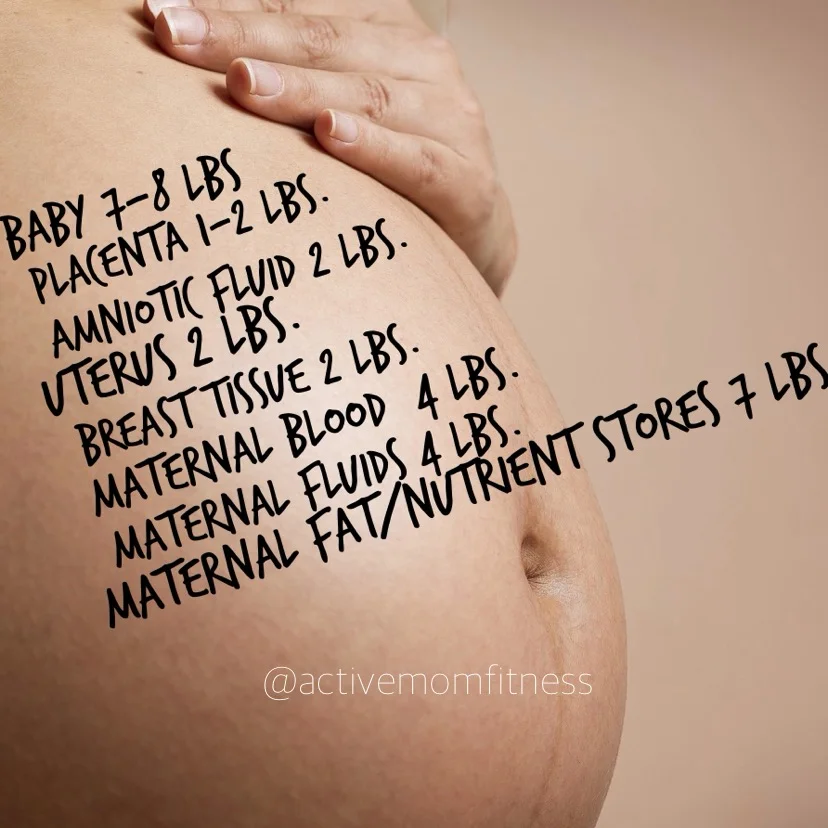
If you begin your pregnancy at a healthy weight, the guidelines state 25-35 pounds of weight gain is recommended. Some women gain more and some less. The goal during pregnancy, as it should be at all times during your life, is to maintain a healthy weight that’s appropriate for you. Weight gain is healthy during pregnancy, but excessive weight gain is not. Excessive weight gain can make it harder for you to lose weight after pregnancy. The point I want to drive home here, is that your first consideration of postpartum weight loss should be while you’re pregnant. Your goal should be to make good food choices, be physically active and consider other lifestyle factors that promote healthy weight gain during pregnancy.
For many of you reading this, you’re beyond pregnancy and probably want to know when to start thinking about weight loss after having baby. You’ll notice that immediately after giving birth your numbers on the scale will drop (losing fluid, weight of baby, etc.). So when should you start thinking about the rest?
I’ll preface it by making it clear that I feel your priority is adjusting to life as a mom and taking care of baby. But, there are many moms that feel the pressure from our “snapback” society or from the expectations you have for yourself to get back into your pre-pregnancy jeans. Some of you may physically feel uncomfortable hanging on to the extra weight. Beth Auguste, RD of Be Well With Beth agrees, “we hear so much about snapping back that it makes sense if you want to prioritize weight loss, but it not what your body needs. Now is the time to remind yourself that your body needs nutrients to heal, especially if you are breastfeeding”. Although it may not a priority, it is on the minds of a lot of moms so discussing weight loss is relevant. Here is my guide to help you determine if you’re ready to start making an effort toward weight loss:

Are you incorporating healthy habits? Maintaining a healthy weight is a lifestyle. Your weight loss efforts will be difficult if you haven’t found a way to incorporate healthy habits into your new life as a mom. Examples include: not skipping meals, drinking enough water, finding time to move, etc.
Are you recovered? It can take your body up to 12 months to recover after having a baby and this should be priority. Consider: whether your c-section scar has healed, how are you feeling emotionally? Is your core getting stronger? Are you finding time to sleep? Registered dietician, Jennifer Weis, shares, “there are other concerns during this time such as healing any birth wounds, ensuring a nutrient dense diet and keeping mom well-fed to be able to handle the stresses of taking care of a new baby while sleep deprived”.
Is exercise a stressor? Weight loss efforts are best when you combine exercise and nutrition. However, structured workouts shouldn’t be a priority if finding time for them causes you stress (stress hormones make it hard to lose weight), or if you’re severely sleep deprived and won’t be able to recover, or if exercise makes you feel physically worse.
So if you’re postpartum and can say your habits are healthy, you’re recovered and structured exercise seems realistic, then yes, it may be appropriate for you to up your weight loss efforts. This timeline will be different for every mom. Weight loss progress will be different for every mom (consider factors such as whether hormones are still affected by breastfeeding, your age, the volume of exercise, nutrition habits, weight loss history, genetics, etc.). If you need some guidance on this process, don't hesitate to reach out to me..
As always, these posts are inspired by moms like you. If you find them interesting, please share on social media.

2018 Reflections
I’m a planner and organizer, so I always look forward to the New Year as a chance to set new goals and create a plan to accomplish them. However, more recently I realized that I’ve been missing a step... I don’t properly take time to reflect on the year that is coming to a close. I have been depriving myself from celebrating accomplishments and acknowledging where I fell short. So before we storm into 2019 with new goals and hopes, take some time with me to reflect on 2018. Inspired by several different reflection resources online, I’ve compiled this one for you.

I’m a planner and organizer, so I always look forward to the New Year as a chance to set new goals and create a plan to accomplish them. However, more recently I realized that I’ve been missing a step... I don’t properly take time to reflect on the year that is coming to a close. I have been depriving myself from celebrating accomplishments and acknowledging where I fell short. So before we storm into 2019 with new goals and hopes, take some time with me to reflect on 2018. Inspired by several different reflection resources online, I’ve compiled this one for you below.
I will provide a goal setting guide as we enter into the New Year. Expect it the first week of January.

2018 Reflection Questions
1. What I know about myself today that I didn’t know a year ago…
2. This year I dedicated too much time to…
3. This year I didn’t spend enough time…
4. The most valuable relationships to me this year were…
5. I improved my wellness in the following ways…
6. _________ brought me happiness this year.
7. _______ stressed me out this year.
8. I overcame the following obstacle...with the following skill or superpower…
9. I said I was going to ______ this year, and I did.
10. I said I was going to ______ this year, and I didn’t.
I hope you enjoyed the reflection. Let’s take these achievements and lessons learned and take on 2019! If you’re ready to get a jump on your fitness resolutions, check out my January specials.

Getting to the Core of Pregnancy
The body’s “core” is a system of muscles that support the spine and pelvis, with the ceiling being the diaphragm and the bottom of the cylinder being the muscles of the pelvic floor. The shift of the pelvis and the separation of abdominal muscles during pregnancy can result in a weaker core and unstable pelvis. This may lead to pain in the lower back and pelvis during pregnancy.
Three ways beyond exercise to promote a healthy core during pregnancy.
The body’s “core” is a system of muscles that support the spine and pelvis, with the ceiling being the diaphragm and the bottom of the cylinder being the muscles of the pelvic floor. The shift of the pelvis and the separation of abdominal muscles during pregnancy can result in weakness and instability. This may lead to pain in the lower back and pelvis during pregnancy. Women without any contraindications are advised to counteract the instability and weakness by strengthening abdominal, back, butt and pelvic floor muscles through exercise
However, beyond exercise, pregnant women shouldn’t overlook these 3 strategies to encourage a healthy pregnant core.

Image from http://www.fitnessnetwork.com.au/resources-library/aqua-pelvic-floor
Tip 1 for a healthy pregnant core: perform diaphragmatic (belly) breathing
Why? The diaphragm is a thin muscles that separates the chest from the abdomen, forming the roof of the core. A 2013 article in The Journal of Multidisciplinary Healthcare discusses the functional relationship between the diaphragm and the pelvic floor, indicating the diaphragm has a role in core function and pelvic stability. The diaphragm and pelvic floor muscles should work together, meaning as the diaphragm contracts and moves down during an inhale, the pelvic floor muscles should relax and lower. The opposite is true on an exhale, with the diaphragm relaxing and rising while the pelvic floor is contracting and rising

From https://bebrainfit.com/breathing-exercises-anxiety/
How to perform diaphragmatic breathing: Women should lie on their back with knees bent or for pregnant women beyond 16 weeks, sitting is appropriate. Inhale slowly to the count of 3, letting your belly expand outward. Exhale slowly to the count of 3, allowing your belly to relax. Repeat this 5 times. As the belly grows this will become more difficult and “chest breathing” will become more natural, however women can still be deliberate about the mind body connection between the diaphragm and pelvic floor. This type of breathing may also be useful in the first stages of labor as a relaxation technique and is a safe postpartum exercise to begin rebuilding the core after baby.
Tip 2 for a healthy pregnant core: Rise up with a side roll
Why? There are three groups of muscles that make up the abdomen. During pregnancy the rectus abdominis group (6-pack muscles), can separate due to increased hormones and tension placed on the abdominal walls due to the growing baby. A study by Sperstad JB, Tennfjord MK, Hilde G, et al. 2016; found that approximately 33% of women at 21 weeks pregnant will experience separation and that number rises to 60% when looking at women 6 weeks postpartum.This separation is called Diastasis Recti Abdominis. Anything that increases the pressure within the abdominal wall can widen the separation of the muscle (sneezing and coughing included). One factor that women can control is the pressure exerted on the abdominal wall while rising up from a lying position.
How to create less pressure while rising: Women can rise up to sitting or standing by performing a side roll, rather than coming straight up and putting excessive pressure on the abdominal walls. From lying on the back, first bring knees to a bent position then roll to the side. Using both arms, push the body up. If lying in a bed, then drop both legs over the bed and stand. If coming up off of the floor, push up on both arms and then come into a kneeling position to rise and stand.

From http://brochures.mater.org.au/brochures/mater-mothers-hospital/pregnancy—information-for-women-and-families
Tip 3 for a healthy pregnant core: Avoid bearing down or breath holding
Why? As already discussed, increased abdominal wall pressure can lead to further separation of the abdominal muscles.
How to avoid bearing down or breath holding: women should exhale through any strenuous movements that might cause her to bear down or hold her breath. This might include bowel movements, lifting objects or other children, and movements during exercise.
Although these 3 strategies work to improve core function and decrease abdominal wall pressure, more research needs to be done on the risks and preventative factors related to pelvic and back pain, as well as abdominal separation during pregnancy.
Ready to learn more? Download 5 Tips for a Stronger Core During Pregnancy.

One-Handed Eating for New Moms
As a new mother it’s hard to believe that you can actually fill an entire 24 hours with feeding, changing, and trying to put baby to sleep. This leaves very little time to plan, prepare or even eat meals.

How to Manage Healthy Eating When Baby is Priority
As a new mother it’s hard to believe that you can actually fill an entire 24 hours with feeding, changing, and trying to put baby to sleep. This leaves very little time to plan, prepare or even eat meals.
It is extremely important for a mother to keep her energy up and heal her body through good nutrition. For most of us, our priority isn’t and shouldn’t be cooking healthy meals so we need another strategy. My suggestion to new moms is to really rethink our traditional idea of food intake through the day and consider healthy snacking as sufficient for the first couple of months. This isn’t to say never have a meal. When you have time, make a healthy meal and make a ton of it so you can freeze it and have it again the following week. Focusing on snacks instead of meals just means you’re eating smaller, more frequent and more simple food throughout the day-which actually makes perfect sense if you time your eating with your babies.
Here's a two-day sample of healthy snacking based on a baby's feeding schedule. This doesn't include night feedings, but if you find yourself hungry then make extras of one of your daytime snacks and keep it by the bed at night.
Day 1
7:00 AM- Oatmeal Balls (made the night before) and piece of fruit
9:00 AM – Yogurt (buy big tubs and reusable pouches-you can use them for years with your kids)
11:00 AM – Low sodium lentil soup in a coffee mug, grape tomatoes
1:30 PM – Baby carrots and hummus
4:30 PM – Trail mix with your choice of nuts, dried fruit and seeds (chocolate chips or coconut flakes are great too!)
6:30 PM – Roasted chickpeas (made during nap time or night before), fruit
8:00 PM – Green smoothie (keep extra for another day)

Day 2
7:00 AM (made the night before)-hard boiled egg or breakfast muffins and fruit
9:00 AM – Avocado toast cut into squares or on petite toast
11:00 AM – Low sodium minestrone soup in a coffee mug, grape tomatoes
1:30 PM – Roasted kale chips and sliced cheese
4:30 PM – Edamame, berries
6:30 PM – Whole grain cereal, sliced apple dipped in nut butter
8:00 PM – Green smoothie (keep extra for another day-can add protein powder)

You’ll notice there is not any meat or fish in these samples. Meat and fish take more time to prepare so they were not included, but by all means I'm all for protein in those forms. To modify and include meat in your plan try time-saving ideas like buying a rotisserie chicken or prepare chicken or turkey cutlets (they come thinly sliced to make an easy finger food), or if you have a partner ask him or her to be in charge of the meat preparation for a month or two. You can do the same with fish. Try cooking it and flaking it to make patties or opt for canned tuna spread on crackers. Be careful not to get in the habit of buying too many pre-packaged or processed meats to avoid nitrates, sodium and saturated fats.
Note: These samples do not account for caloric or special dietary needs so should only be used to inspire healthy snacking.
You can get fit and healthy after baby without it being an added stressor.

The Trainer’s Trick to Designing a Better Workout
It's been 8 weeks, are you more fit than 2016?
New Year’s Day was two months ago which means those of us that made fitness resolutions should not only be feeling, but also seeing the changes to our body. If you don’t feel stronger, leaner or more confident yet, no worries, here’s a formula to help you design a better workout.
What I’m sharing is not a new method. Personal Trainers have been using this method for years...
It's been 8 weeks, are you more fit than 2016?
New Year’s Day was two months ago which means those of us that made fitness resolutions should not only be feeling, but also seeing the changes to our body. If you don’t feel stronger, leaner or more confident yet, no worries, here’s a formula to help you design a better workout.
What I’m sharing is not a new method. Personal Trainers have been using this method for years. It’s called the FITT Principle and I’m going to break it down for you.

First off, FITT stands for frequency, intensity, time and type. If you have already set a specific fitness goal (start here if you haven’t) and are aware of your current fitness capabilities then you can use this formula to design a workout plan that will lead to results.
The first thing to understand is that these variables are interdependent, meaning your frequency will affect the intensity of the activity and the intensity will impact the time, and so on.
You also have to understand that for your body to change there has to be sufficient and progressive challenge, as well as sufficient recovery.

The chart above is for most adults based on the American College of Sports Medicine’s recommendations for aerobic exercise to maintain general health. Let’s consider this example: A healthy mom of two that can barely find time to workout, but enjoys exercising outside wants to meet general health guidelines.
She’ll want to start with the frequency variable when planning since that’s her limiting factor. She’s decided she can realistically do 3 days per week. She has about an hour each of those days to workout so she decides to meet the guidelines by exercising 50 minutes each workout. This is a longer workout so it’s sufficient to exercise at a moderate intensity. She enjoys being outside so has planned to bike 3 days per week at a moderate intensity, for 50 minutes.

What happens if she has less time for exercise one morning? She can either increase her intensity and shorten the workout to meet her time restriction or she can keep the moderate intensity and split the time by doing 25 minutes in the morning and 25 minutes in the evening (when splitting the workout time, you’ll want to do at least 10 minute segments).
Make sense? Good, you can now use the FITT principle to create your own plan based on your specific training goal and capabilities. Don’t forget to incorporate a plan for resistance training. You can use ACSM guidelines as a starting point.
If you’re a Philly mom with a goal to lean out, become stronger and keep up with your kids-schedule a Screening and Consultation and stat your customized fitness journey today.

Have You Been Told to Kegel? Top 3 Prenatal Exercise Myths
Oh You’re Pregnant? Do This. Don’t Do That….Prenatal Exercise Myths Debunked.
Although the perception is slowly changing, the typical idea of exercise during pregnancy is to 1) do kegels so you don’t pee yourself 2)…
Oh You’re Pregnant? Do This. Don’t Do That….Prenatal Exercise Myths Debunked.
Although the perception is slowly changing, the typical idea of exercise during pregnancy is to 1) do kegels so you don’t pee yourself and 2) make sure the exercise is light intensity and gentle…walking or prenatal yoga. And although there is some truth to that, it’s not that black and white. If you’re ready to stay active during pregnancy, let’s address these 3 prenatal exercise myths:
Myth 1: If you didn’t exercise before pregnancy you shouldn’t start now
This is not true! If you began your pregnancy with eating healthy and exercising then you should continue those healthy habits during pregnancy. If you didn’t exercise prior to being pregnant, now is an ideal time to focus on being healthier and more active. For most women, exercise during pregnancy has very little risk, although some modification is usually necessary due to the changes to your body during pregnancy (your joints are more relaxed, your balance may be off, your breathing may be more difficult). The American College of Sports Medicine recommends exercising up to 30 minutes per exercise session, accumulating 150 minutes per week (and remember these are general guidelines so you might accumulate more exercise or need to work at a lesser intensity if you were overweight prepregnancy). Check with your obstetrician and make sure you don’t have any contraindications and then do you and your baby a favor by continuing to exercise or by becoming physically active during your pregnancy.
Myth 2: Your heart rate shouldn’t go above 140 beats per minute (bpm)
The maximum 140 bpm rule is an old and conservative recommendation that shouldn’t be one size fits all, however, some of the medical community is still giving this advice. If your doctor recommends a maximum heart rate, please make sure to question why. Is it because you are at risk? Is it based on old guidelines? Is it because your doctor is still hesitant to give physical activity advice? Most new guidelines will not specify a maximum heart rate, but rather suggest that if you habitually perform vigorous exercise or are highly active before pregnancy, you can continue with that type of more intense physical activity during pregnancy.
If you are new to exercise and plan to progress to moderate intensity exercise, I suggest using the 1-10 perceived exertion scale or the talk test (you can talk, but not sing during activity) to determine your intensity. Using 140 bpm as a maximum is most likely not relevant for you.
Myth 3: Kegels are the most important exercise
Kegel exercises strengthen the pelvic floor muscles, which support the bladder, rectum, uterus and small intestine. This is one of the most common exercises associated with pregnancy. Although kegels tighten the pelvic floor, which are good (for some, but not all women), kegels are just part of the equation. Your entire pelvis shifts during pregnancy, which then affects all of the 40 something muscles attached to it! So to only focus only on tightening the pelvic floor through kegels is not enough to sufficiently support your changing body during pregnancy. A comprehensive fitness program that incorporates pelvic floor exercises during core work is the most beneficial.
Final note: Being physically inactive and excessive weight gain during pregnancy are risk factors for obesity and complications like gestational diabetes. You (and your doctor) may be concerned that exercise can cause miscarriage, poor fetal growth, premature delivery or injury, however those concerns have not been substantiated. Please remember exercise in most adults far outweighs the risks and considering the physical toll pregnancy takes on your body, it is not the time to be inactive. Have an active pregnancy!
Please read more about the guidelines and contraindications here. Questions? Schedule a free phone consultation today!

New Year, New You in 5 Steps
The number one New Year's Resolution for Americans is to “get in shape”. This is probably the case because most of us are ready to stop the indulging we began in November...maybe October if your derailment began after eating most of your kid's Halloween candy. I want to tell you that if your resolution is to “GET IN SHAPE” then YOU’RE GOING TO FAIL. Let me explain why...
New Year, New You? The number one New Year's Resolution for Americans is to “get in shape”
This is probably the case because most of us are ready to stop the indulging we began in November...maybe October if your derailment began after eating most of your kid's Halloween candy. I want to tell you that if your resolution is to “GET IN SHAPE” then YOU’RE GOING TO FAIL. Let me explain why and let me help you succeed.
Don’t worry, I’m not one of those people that hates New Year’s Fitness Resolutions. Actually, it’s quite the opposite. I’m a planner/list-maker/organizer so I actually get excited about planning for a New Year. I’m also a big believer in focusing on your health, including your weight, physical activity level and new fitness challenges. So why did I make that statement? Saying you're going to "get in shape" is too general. The truth is many of us make the resolution to “exercise more”, “eat healthier”, “be more active”, but what does that even mean? We fail not because we're not good enough or capable of doing it, but because we don't have the proper plan or support in place. If you’re serious about your resolution, it needs to be a goal, you nee to have a plan and you'll have a better chance at success with proper support.

I’m guessing you’re not a stranger to goal setting so I’m not writing this to teach you something new. I’m writing this to look you in the face (not really) and tell you that if you said you want to “get in shape”, let’s take the time together, right now to make sure that happens. I haven’t yet sat down to write any of my 2017 fitness resolutions so I’m going to do it with you RIGHT NOW using the SMART goals method. Let's get started together using these 5 steps.
1. State your SPECIFIC goal. Mine is to finally run the Broad Street Run. I've actually gotten in before, but haven't actually had the chance to run it, so this is my year! What is your well-defined, specific resolution/goal?
2. Make sure it’s MEASURABLE. You should clearly know when you have achieved your goal. Saying you're going to "get in shape" is much to subjective. My goal is easily measurable. I either do it or I don’t, but I’m going to make it more specific and measureable by adding a time. My goal now is to run Broad Street in under 1 hour and 25 minutes (ah! Now it’s real!). If you have a race goal, use this calculator to set a goal finish time or pace.
3. Now let’s check to see if our resolution/goal is AGREED UPON/ACHIEVABLE. Well, my goal only involves me (if I didn’t already have set workout days that my husband knows I’ll be at the gym, then I’d probably need to check with him to ensure I’d have adequate training time). How about you? Who else is affected by your goal? Is everyone on the same page?
4. Next we check to make sure it’s REALISTIC. For me, I’ve done races before, I’m suuuuper experienced in creating training plans (did I mention, I’m a planner and exercise physiologist?) and as of now I believe I’m physically able and ready to train. So yes, if I train, my goal is realistic (unless I can't get in or buy a bib...thinking positive thoughts). Is yours? If it’s a fitness goal and you need some help determining if your fitness goal is realistic for your level and ability, please don’t hesitate to reach out.
5. Lastly, is your goal TIME-BASED and TRACKABLE? This is important. Set a time-line. How will you track your progress? Do you have enough time? When will you achieve your goal? For me, I plan to follow a 12-week training plan so my time-line begins on February 12th and race day is May 7, 2017. I will create and follow weekly training plans, which makes it very trackable.

And there you have it. We've both set a very specific, measureable and realistic 2017 New Year’s Resolution. The next two keys to success are making sure you have a specific training plan to achieve your goal and support. In the upcoming weeks I'll make sure to share some of my thoughts on creating a plan and enlisting support. Please share your goal in the comments. If you can't wait for my future posts to help you with planning and support, check out the programs I offer or contact me and we'll see how I can help.