
Active Mom Insights
Blog posts by Ashley Reid
Returning to Exercise After Covid

Are there dangers on returning to exercise post Covid? That is still something being studied, but we do know there are long term effects from Covid and because of possible complications there should be guidelines on how to return to physical activity. There is increasing evidence that “long Covid” symptoms can include cough, elevated resting heart rate, and extreme fatigue. Cardiac damage is also a concern, especially in athletes returning to sport post virus. The American College of Sports Medicine is one of the first organizations to provide guidelines based on your level of risk.
Low Risk: If you are under the age of 50 with asymptomatic or mild respiratory symptoms that resolved within seven days.
When to return to activity: Rest for at least ten days after being diagnosed. Once asymptomatic for seven days then follow a gradual return to exercise without evaluation.
How to return to activity: You should first return to normal daily routine and sleep patterns. You should be able to perform daily activities and be able to walk 500 m (.31 miles) on a flat surface without fatigue or shortness of breath. Your first workout should be light intensity for a duration of 15 minutes. If you feel your energy is as it was post covid, you can increase the duration during your next workout. It’s recommended you begin with bodyweight exercises and then progress to heavier resistance and sports. *Athletes should engage in at least two weeks of minimal exertion activity before resuming sport.

Intermediate risk: If you had symptoms or fatigue lasting for more than one week, or prolonged shortness of breath/chest pain that did not require hospitalization.
When to return to activity: it is suggested that you be evaluated with an EKG and troponin test if you have an abnormal EKG. A personalized exercise prescription is recommended.
How to return to exercise: a specialist team should create a personalized exercise prescription
High risk: if you were hospitalized or experienced shortness of breath or chest pain at rest or with basic daily activities.
When to return to activity: it is suggested that you be evaluated with an EKG and troponin test if you have an abnormal EKG.
How to return to exercise: a specialist team should create a personalized exercise prescription
A gradual return to exercise will help mitigate risk. Working with an exercise physiologist and care team is to your benefit as we continue to learn more about Covid-19 and exercise.
Below is an example of a low risk return to exercise progression. You should make sure you recover from each workout and that no new/returning symptoms occur. Contact your doctor if you experience any chest pain, irregular heartbeat or shortness of breath. This progression may take place over a 1-2 month period.
Stage 1: Mobility/Flexibility and light walking
Stage 2: Continue to build up walking intensity and duration
Stage 3: Moderate intensity aerobic exercise and bodyweight resistance training (one day of exercise interspersed with one day of recovery)
Stage 4: Moderate intensity aerobic activity and resistance training (moving up to two days of exercise and one day of recovery)
Stage 5: Attempting your baseline level of activity, ramping up intensity to moderate/vigorous.
This post is an interpretation of an article titled Safe Return to Physical Activity After Covid-19.
3 Holiday Fit Tips
As if your to-do list wasn’t long enough already, now add maintaining the holiday gathering calendar, planning/prepping more meals, and making sure your kids experience family traditions...phew, it’s no wonder our perspective on fitness changes a bit this time of year. Here are a few reminders as we approach the holiday season.

January is not your start date: From November through December life gets busy and fitness might be a lower priority, but do yourself a favor and don’t see these last two months of the year as pointless when it comes to workouts. Sure it’s easier to ramp up fitness in January, but you don’t want to enter 2022 feeling like you’re starting over or that you’re “getting back on track”. If you know the end of 2021 will mean less consistency with exercise, instead look at it as your off-season; a chance to maintain what you’ve built, try different types of exercise, enjoy shorter movement sessions, and prepare your body for a surge in a couple of months.
Embrace the dark (and cold): whether you work out early in the morning or in the evening, chances are it’s going to be dark and cold. Acknowledge the challenge, but don’t let it become an excuse. Brighten up your home workout area, enlist an accountability partner, lay out your clothes the night before...whatever it takes to embrace the change of season and not let it sabotage your goal to stay active.
Exercise is not an exchange for indulging: During the holidays meals tend to be heavier and alcohol might be more frequent. Indulging a bit more is often part of tradition and good times with friends and family. If you’re choosing to indulge, it’s important to be OK with it and not fill yourself with guilt and stress. Don’t fall into the thinking that exercise is there to make up for eating more than usual. Continue to fuel your workouts with good nutrition and if you’re making the choice to have that extra dessert or glass of wine, accept it and enjoy it, knowing that your healthy habits over long periods of time will help you maintain your baseline.
As you can see, for your fitness routine to survive the holidays, it takes a little bit of a mental shift and recognizing that this is a temporary time period and adjustments should be made. So enjoy the family traditions, acknowledge the challenges, and change your perspective on what fitness means to you during this time. If you’d like some guidance with your holiday fitness plans or want to set yourself up for success in the New Year, schedule your personal exercise consult.
Five Tips To Raise a Physically Active Child
Family hikes, holiday 5Ks, vacation swims, and weekend bike rides. Many of us have that vision of being a strong and healthy mom so that we can enjoy those activities with our kids. So how do we create the active family lifestyle we dream of? The truth is that it starts early, and it starts with you. Here are a few tips I’ve discovered in my professional and personal journey to encourage physical activity in kids and my daughter:

Speak positively about your body and your physical ability: Comment on what you’re good at. Don’t equate body positivity with perfection. Set a good example of appreciating what your body can do physically. They’re always listening.
Do home workouts: Honestly to get a full workout in with your kids in the room can be frustrating and can take years to get to a point with no interruption, but it’s well worth the effort. Model prioritizing your health and fitness and eventually they’ll be your biggest cheer leader, or better yet, they’ll join you!
Give them space at the playground: It’s easy to worry about their safety as they’re learning to climb and run, but it’s important for them to build confidence in their own abilities. To be a physically active “big kid”, they have to learn to trust their bodies at an early age. Rather than telling them “be careful”, ask them if they feel safe, or comment on the slippery surface and ask them if they feel comfortable they won’t slip.
Educate and complement: Don’t wait for health class. Use meal time or trips to the playground to educate them. For example: “your bones are going to get stronger with all of that jumping”, “your heart is going to be healthy with all that running” Make connections for them that their personal actions are responsible for their health.
Play the games: it can be oh so nice when your kids reach the age of playing independently, but on occasion it’s important to get out there with them. Hopscotch, swing pushing and tag may not be your dream family bike trip, but you have to start somewhere. Make those activities enjoyable now and they’ll be receptive to your ideas later. Make it about the fun and not about the exercise/activity.
Being physically active as a family is great for physical/emotional health, fun and bonding. Put these strategies to work and you’ll be running a Turkey Trot with your 7 year old in no time.
3 Exciting Games to Give Your Kids a Workout (and you too!)
(guest contributor)
As a parent, your child’s health and happiness are always your main concern, which is why it’s important that you teach them the importance of exercise from a young age. However, a lot of parents have trouble balancing family and exercise and they don’t know how to get their kids excited about staying active. Not every child is going to love structured “workouts/exercise”. But most will love playing games, and they will be way more engaged. There are some great active games you can try that will get them outside and moving around, so they can stay healthy (and you can move with them!).
Here are some active games to help your kids get more exercise. Get out there and have fun!

Scavenger Hunts
Scavenger hunts are always a great way to get your kids moving, and it’s a great option if you want a fun activity to keep them busy at home. All you need to do is hide some items around the house or yard, and challenge your kids to find them. Give them a few clues to get them started and they’ll soon be running around all over the place. If you want to turn it into a workout in disguise, you can put tasks with each item, like do 10 jumping jacks, for example.
Bean Bag Toss
Bean bag toss isn’t the first thing that comes to mind when you are thinking of fitness games, but it’s actually very beneficial. It improves hand-eye coordination and there is a bit of cardio involved as your child runs back and forth to collect their bean bags. This article that answers questions like, how far apart are the boards in bean bag toss, will help you set up your own game in the yard or park. It’s a great way to spend an afternoon and it’s also fun for parties too. Your kids will have so much fun and they won’t even realize they are exercising.
Capture The Flag
Capture the flag is a fun way to get your kids running around and get their heart rate up. It’s a simple game you can play with two to four teams of any size, and a few items to use as flags (they don’t need to be actual flags). Set up the flags and assign a base for each team. The aim is then to catch the other team's flag without being tagged. If you want to add an extra element of fitness, you can have the kids do some frog jumpss each time they get tagged before returning to their base and rejoining the game, or change the movement from running to base to skipping. You can have endless hours of fun with this one and it can be played anywhere, but it’s particularly good in a large open space, so it’s perfect for the park.
Getting kids to exercise can be a battle against toys and screens, but if you play these exciting games with them, you can get them to do a workout without even realizing it. And I’ll add once again, you get your workout in too!
3 Ways to Incorporate Pelvic Floor Training into Your Strength Routine
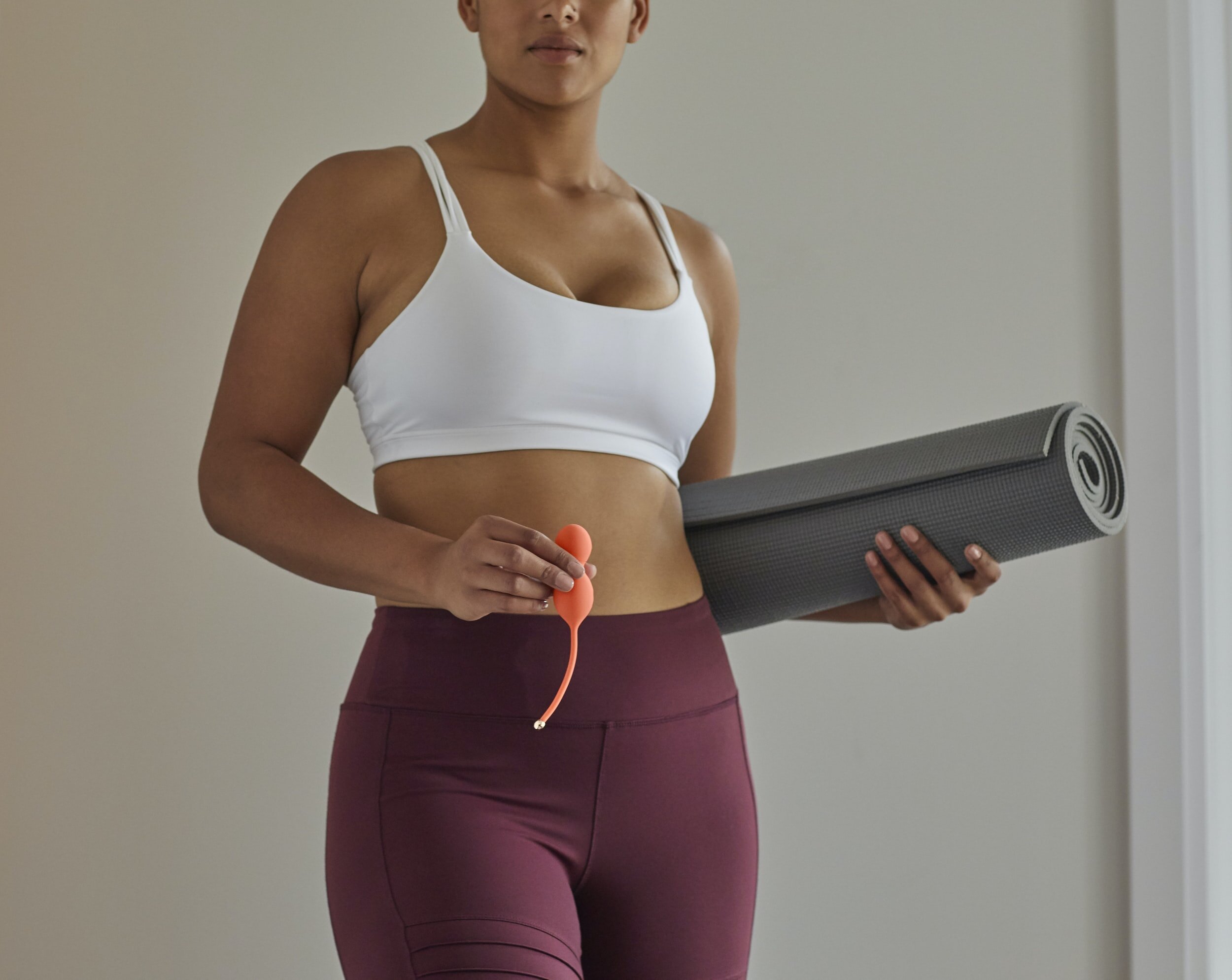
Your pelvic floor muscles can be considered the basement of your core and play a key role in managing intra-abdominal pressure (pressure within your abdominal cavity that helps stabilize your spine). When your pelvic floor muscles work with the rest of the core to manage the pressure, you'll feel stable and strong. When one area of your core is weak, your ability to manage and create pressure for stability changes. During pregnancy breathing, abdominal muscles/wall, and pelvic floor are impacted by the changes to your body-which is why training each of them properly is so important.
Pelvic floor muscles also play important roles in sexual function, organ support, and sphincteric control (holding urine, gas and poop). During the natal period (pregnancy and postpartum), weakness or overactivity of these muscles can impact your core strength and function, as well as cause conditions such as urinary and fecal incontinence, or pain with intercourse. By now most of us have heard of kegels, and some of you may even manage to fit in a few sets while brushing your teeth or driving. However, like most muscles in our body, pelvic floor muscles need to be functional during movement and not just at rest. The best way to do this is to coordinate the activation of your pelvic floor muscles with other core muscles during movement. Here are some ways to train those muscles with common exercises:

During squats: As you descend into a squat this is when your pelvic floor muscles should relax. During this lowering movement, you will inhale. As you ascend up to standing with an exhale, this is when you can contract your pelvic floor muscles (think of trying to tighten your vagina around a tampon). Additionally press through your heels to activate glutes, and draw in your belly button (to hit your transverse muscles).
During a front dumbbell raise: As you lift the dumbbell exhale and draw in your belly button (to hit your transverse muscles), while at the same time visualizing your pelvic floor rising along with your arm toward your belly button. As you lower the dumbbell, gently release your abdominal contraction and relax your pelvic floor.
Wall sit: While you're holding your wall sit (back against the wall, knees bent at 90 degrees with your knees over your ankles), challenge yourself for endurance pelvic floor contractions-one set of three 8-12 seconds long holds (make sure you’re not holding your breath, just the pelvic floor lift). And then follow that with a wall sit of quick pelvic floor contractions-strong flickers of your muscles for 10-15 reps. Think quick “contract, relax, contract, relax”. (similar to an orgasm)
For most pregnant people, pelvic floor training is recommended and will help you maintain a strong and functional core. Remember to always relax between contractions...you don’t want a tight pelvic floor during delivery.
It can be helpful for everyone to get a pelvic floor assessment postpartum, as many people will need to retrain the muscles, and although common, pelvic floor dysfunction is not normal. Weakness is not the only concern, sometimes birth trauma can lead to overactive or spasmed muscles...so don’t just jump back into kegels.
Happy training!
Ready for more tips? Download 5 Tips for a Stronger Core After Pregnancy.
If you already are experiencing back pain or leaking, consider this FREE 5-day course to gain a better understanding of how to reduce your risk for pain and incontinence.

Five Ways to Improve Your Relationship With Exercise
Exercise should be a tool to improve your mental and physical health, not something that causes feelings of failure or stress. As a mom you have limited time and energy so exercise should be something that brings you joy and positive feelings. You deserve your relationship with exercise to be a healthy one. Here are five ways to improve your relationship with exercise:
Exercise should be a tool to improve your mental and physical health, not something that causes feelings of failure or stress. As a mom you have limited time and energy so exercise should be something that brings you joy and positive feelings. You deserve your relationship with exercise to be a healthy one. Here are five ways to improve your relationship with exercise:

Drop the “No Excuses” Mentality- whether you’re pregnant, newly postpartum, a mom of a toddler or with kids in school...you’re going to have barriers to exercise. You’re going to have unexpected things get in the way of your plan to workout. With a “no excuses” mentality, you’re sure to feel bad about missing a workout. Those negative feelings are the beginning to a negative relationship with exercise. Stop. Instead work on a strategy to plan for barriers so that you don’t feel bad when they occur.
Appreciate Physical Activity-aerobic and strength training is crucial to good health and fitness, however there will be times in your life where “exercise”, which I consider a structured session of physical activity, is less feasible. However things like going for family walks, biking instead of taking the train to work, playing with your kids on the playground...are all ways to keep you active outside of a fitness class or gym. If you choose to appreciate physical activity, your relationship with exercise will seem less stressful.
Be realistic: during my consultations, I always ask what’s realistic in terms of how much time you can dedicate to exercise. Factors such as childcare, work, and child naps or help from a partner or other caregiver are always considered. Rather than choosing an arbitrary number, like “I’m going to workout 3 days per week”, ask yourself what’s realistic. This will help you avoid the frustrations of not being able to meet expectations. Personalize your fitness for a good relationship with exercise.
Join a community- for exercise to become a habit, surround yourself with people that are already doing what you’re hoping to do. Whether it be a virtual community or Facebook group, or a studio, fitness class or run group...put yourself in a place where you feel supported, motivated and understood. Your environment should be positive in order to have a positive relationship with exercise.
Find your why- your reason for exercise before pregnancy is probably different than it is now. Make a list of all of the benefits from exercise. Check yourself to make sure none of them induce negative thoughts. In other words, instead of “so I can fit in my clothes”, try “so I can play with my kids when they ask”. Eliminate any “whys” that are not positive.
How Moms Can Feel More Confident in Their Postpartum Body at the Gym
(guest contributor)
Body positivity is a difficult for many people. While social media is better at embracing different types of bodies, with more and more influencers and celebrities showing off their real physiques, that doesn’t mean we don’t have far to go.
As a new mom, it can feel challenging to be confident in your body after birth. Your body has gone through an amazing process, but even with all the respect we have for its ability postpartum, the feeling of being disconnected to it and it looking different than before can impact your confidence.
The idea of a post-baby body can put many new moms off from going to the gym altogether. Here are some suggestions as you begin to regain confidence.

Wear clothes you feel great in.
This might mean tighter leggings and tops where the compression helps you feel supported, or baggier clothes with a little more wiggle room. You should wear whatever makes you feel confident and allows you to perform the exercise correctly.
When shopping for gym clothes after having your baby, you could consider brands that support women who embrace their curves, like Curves n Combatboots.
Book a personal training session.
Personal trainers don’t just exist for fitness fanatics - they exist for anyone who wants to feel good in their body again and needs that additional support. Giving birth can make your body feel foreign to you, and that disconnect is often troubling for new moms.
New moms might feel best working with a trainer that has been through pregnancy and is knowledgeable in postnatal fitness. Connecting with a fitness professional that understands how overwhelming it can feel to return to exercise, can help you to feel more and more confident and address your postpartum needs.
Workout in a community with other moms
Being around like-minded individuals can provide the additional support and confidence nudge you need. Exercise should make you feel good and shouldn’t be a source of stress. Find a community that you feel comfortable around.
Final Thoughts
Body confidence doesn’t happen overnight; it can only be achieved through constant work to find self acceptance. If you are returning to the gym after birth, try these tips to feel your best self!

Exercise for Mental Health: How Much? How often?
To meet the physical demands of pregnancy and caring for a baby exercise is essential. You'll feel stronger, more confident and be able to keep up with your kids throughout all stages of motherhood. However the mental health benefits of exercise shouldn't be forgotten. Prenatal anxiety and postpartum depression during are common. Exercise should be considered a useful tool in preventing and coping with depressive symptoms.
To meet the physical demands of pregnancy and caring for a baby exercise is essential. You'll feel stronger, and more confident and be able to keep up with your kids throughout all stages of motherhood. However, the mental health benefits of exercise shouldn't be forgotten. Prenatal anxiety and postpartum depression during are common. Exercise should be considered a useful tool in preventing and coping with depressive symptoms.
In analyzing results of over 800,000 people as it relates to mental health and exercise, researchers found that exercisers reported nearly 43% fewer mental health burdens than non-exercisers.
So what type of exercises seemed to provide the most benefit?
Popular sports
Cycling
Aerobics/Gym exercises
Yoga/Tai Chi
How Much? Now as a mom, it can be hard to find the time for exercise, but the good news is that the strongest correlation of exercise and mental health was with sessions of 30-60 minutes. I think it’s fair to say that if you’re finding it stressful to find time to exercise then the shorter end of that range is reasonable. There was no added benefit to sessions longer than 60 minutes.
What about intensity? The study found vigorous exercise was linked to better mental health outcomes, but I’d recommend monitoring your intensities and how you feel post-exercise. Often if we are already overwhelmed and stressed, recovering from high-intensity exercise can be more difficult. This is especially important to consider if you’re a new mom and not getting much sleep, or pregnant and feeling more exhausted. You may find that more moderate-intensity exercise feels better both physically and mentally.
Recommended frequency? The study found that working out 3-5 times per week was the most beneficial. If you’re a busy mom, I’d suggest aiming for 2-3 structured strength sessions per week and then filling in the other days with “physical activity” like walking, playing with your kids at the park, or structured aerobic sessions like biking or running if you have the time and energy. Remember the physical activity guidelines suggest at least 150 minutes per week to meet health guidelines.
So Mama, if you’re looking to reap not just the physical, but also the mental benefits start prioritizing fitness. Remember exercise is not a luxury, it’s a necessity. Please also remember that exercise is a tool and not the only treatment option. If you’re feeling anxious, depressed or experiencing PTSD after having a baby, you are not alone and should seek a referral from your doctor, or look into a virtual therapy company.

8 Tips For Moms Returning to Exercise Post Birth
Whether you’re a new mother who’s taking her first steps into exercise after some months away or you’ve never had a consistent fitness routine, you’ve come to the right place. Exercise for someone post-birth, with new priorities and lack of time can feel impossible. Here are some things to keep in mind and help get you started:
(guest contributor)
Whether you’re a new mother who’s taking her first steps into exercise after some months away or you’ve never had a consistent fitness routine, you’ve come to the right place. Exercise for someone post-birth, with new priorities and lack of time can feel impossible. Here are some things to keep in mind and help get you started:
1. Listen to your body
Before you take a step onto a treadmill or pick up those weights, do a self check-in and make sure you’re getting back into working out for the right reasons. How do you feel? Are you exhausted and pushing yourself too far, or are you feeling ready for some movement? After birth, your mental and physical healing and health are the most important.

2. See your doctor
Before increasing the intensity of your movement, make sure that you are healed and ask specific questions at your postpartum visit regarding pelvic floor and diastasis recti. Keep in mind that your postpartum “clearance” for exercise isn’t a green light to jump back into old routines. Consult with a postnatal expert to return to exercise in a safe and progressive way.
3. Start with walking
When you first get back to exercising, take small steps, literally. Getting out there and taking a walk will boost your ability to carve out time for exercise and identify any post-birth aches and pains that need to be addressed before anything more vigorous. You can incorporate some time with your baby as well by bringing the stroller and enjoying the great outdoors together. Equally, if you’re feeling like you need some time for yourself, it’s a great excuse to pop your headphones in and take a walk, listening to your favorite music or podcast.
4. Get planning
Whether your child is 2 months or 12, finding time to exercise can be hard. Finding a spot between naps feeds, and playtime isn’t easy. So, as much as you can, plan exercise into your existing routine. With smaller babies, you can time a walk outside or a yoga class into their nap schedule. With older babies who are in a high chair, consider getting a workout in while they eat a meal and entertain themselves. And if it’s really tricky, incorporate them into the workout by lying them on the yoga mat next to you. By making a plan, you can write it up on a wall planner to remind you throughout the day.
5. Find the right time for you
After you’ve started to do a bit of exercise, ask yourself, what time works best for you? Do you enjoy waking up an hour earlier to work out before your child wakes up? Or do you like to do it during lunchtime? When do you feel the most energetic? When are you less likely to be interrupted? Finding a time that works for you means you’re much more likely to actually get up and exercise when that time hits.
6. Consider your pelvic floor
Your pelvic floor is a group of muscles at the base of your ‘core’ muscles. Pregnancy and birth can impact these muscles in various ways. You’ll be a better exerciser with a strong core, and weak pelvic floor muscles can make exercise uncomfortable by causing pressure or even incontinence. Be sure to consult with a pelvic health physical therapist if this is a concern for you. They may recommend pelvic floor exercises before exercise, or better yet incorporated into your fitness routine.
7. Spend time outdoors
Finding activities and exercises to do outdoors is good for the body, but it’s being increasingly touted as good for the mind. Your physical and mental health is so important. Studies have shown how beneficial it is for good mental health to spend time outdoors. On a sunny day, you also have the added bonus of some free vitamin D!
8. Find workouts that you enjoy
They say if you enjoy your job, you’ll never work a day in your life. Well, the same applies to exercise. If you find a type of physical activity you enjoy, then you will look forward to moving your body and exercise. Think outside the box and consider tennis, cycling, or even rollerblading - best rollerblades for women.
Ready for more tips? Download 5 Tips for a Stronger Core After Pregnancy.

Staying Safe When Working Out At Home
When you’re a busy mom, finding time to exercise can be difficult. Making time for the gym or a fitness class isn’t easy when you’ve got an unpredictable schedule. But working out from home gives you some great options including: virtual classes, virtual trainers, including your family/kids, and following routines from fitness apps.
But just because you’re at home, doesn’t mean you shouldn’t take some of the same safety precautions as you would in the gym.
Try the following tips:
(guest contributor)
When you’re a busy mom, finding time to exercise can be difficult. Making time for the gym or a fitness class isn’t easy when you’ve got an unpredictable schedule. But working out from home gives you some great options including: virtual classes, virtual trainers, including your family/kids, and following routines from fitness apps.
But just because you’re at home, doesn’t mean you shouldn’t take some of the same safety precautions as you would in the gym.
Try the following tips:

Wear appropriate workout clothes
The convenience of home workouts means you can roll out of bed or squeeze in a pre-bedtime workout while in your PJs. However, putting on workout clothes can not only help with motivation, but if your doing more than light exercises, you’ll also benefit from the support a good sports bra offers. You’ll also want appropriate footwear. Choosing the right footwear for your workout can make a big difference to your comfort and performance, as well as protect you from injury…especially if your feet have changed due to pregnancy.
Protect your joints
Exercise is great for the bones, but it can put excessive strain on your joints without the right precautions. Consider your exercise surface. Carpet may make it harder to balance, but provide more cushion for impact. Hard surfaces on the other hand might make lunges feel more stable, but harm your knees during core work. Invest in the right surface for your workouts and read some advice on how to keep your joints healthy when exercising.
Make good resistance training decisions
Resistance training is essential during and after pregnancy. Having some weights or bands at home will provide you with a variety of options to strengthen and define your muscles. If you’re taking advantage of home weight equipment consider precautions like using a mirror, or working with a virtual trainer to ensure proper technique. If you’re lifting heavier weights and want to ensure a better grip while protecting your hands, using bar wax crossfit could help, or consider lifting gloves.
Overall working out at home is a realistic and convenient way for moms to stay fit and healthy. With the right equipment, care and technique you can stay consistent and get results.

Five Tips to Cope With Your Injury
An injury can be really disruptive when you're trying to stay fit and active. It might prevent you from exercising, but even worse it may make it difficult to go to work or look after your kids. Consider these five tips on how to cope with an injury.
An injury can be really disruptive when you're trying to stay fit and active. It might prevent you from exercising, but even worse it may make it difficult to go to work or look after your kids. Consider these five tips on how to cope with an injury.
See a Professional
Don’t rely on Dr. Google. The right treatment to an injury can be key to your recovery. If after a few days of rest, you’re not seeing progress OR if you have concerns right away the injury is severe, then make an appointment with your doctor or physical therapist for an accurate diagnosis and treatment plan.
Allow Yourself to Rest
Rest is important when you have an injury, even if you want to get back to exercising right away. This can be difficult to accept, but if your tissues are inflamed, painful or swollen, it’s essential to the healing process to let that subside. RICE (rest, ice, compression, elevation) is a common acronym if you sprain your ankle, but keep it in mind for any injury you may face.

Get the Right Support
Having the right support might help you cope with the injury, and prevent it from happening again. For example, nagging and chronic injuries such as shin splints, might benefit from a shoe that prevents over pronating or provides more cushion. Try searching for the best walking shoes for shin splints. Sometimes as you’re recovering from knee or wrist injuries (it’s hard to keep wrists in neutral caring for a baby!), providing more stability to the joint with a sleeve or brace can be helpful as well. You can wear the support while active to provide additional comfort or remind your body to be mindful while playing with or caring for your kids. SI belts can sometimes help support pubic symphysis pain during pregnancy if you’re on your feet a lot or get discomfort walking. As a reminder, the extra support for any injury shouldn’t replace treatment, but can help you get by while addressing the injury.
Find Alternatives
Being injured doesn't always mean (although it can) that you have to stop working out completely. Consider your injury recovery needs. If weight bearing is painful, try seated or lying strength exercises. If the upper body is impacted, consider low impact lower body exercise. Treat the injury, but avoid cancelling all activity plans unless it’s part of your recovery plan. Use it as motivation to try something new!
Progress Back Activity
When you're ready to get back into working out, don't just jump back into your usual workout routine. Exercises should be designed to gradually strengthen the muscles impacted by the injury. As you regain strength and stamina, gradually add more challenge. If you’re recovering well from those workouts, continue to progress back to your standard routine. If you’re chronically injuring yourself or constantly feeling back pain, you might consider a dedicated core training program in addition to your regular workouts.

Functional Training for Moms: Pre/Postnatal Exercise Tips
And then you got pregnant, where your body is changing outside of your control...you’re moving different, feeling different and priorities are shifting. This is really where the first phase of motherhood begins, and where your exercise program should prepare you for that.
Long runs after work, trying new fitness classes with your friends, training hard five days per week, or possibly never working out a day in your life. This might have been what fitness looked like for you before pregnancy. Unless you had an injury you probably weren’t strength training a ton with function in mind, or adjusting your routine based on the stage of life you were in.

And then you got pregnant, where your body is changing outside of your control...you’re moving different, feeling different and priorities are shifting. This is really where the first phase of motherhood begins, and where your exercise program should prepare you for that. For many (unless you trained as an athlete), it's the first opportunity to really choose workouts that align with the physical and functional demands being placed on your body, as well as your stage of life.
Here are a few functional training ideas and tips for early stages of motherhood:
Pregnancy
Learn which core exercises are still appropriate for you
Be sure to include breathing and pelvic floor work in your fitness routine
Focus on lengthening chest muscles and strengthening upper back muscles
Incorporate a variety of glute exercises
Avoid impact when you start to feel pelvic pressure or incontinence during exercise
Early Postpartum (0-6 weeks)
Begin reconnecting to core muscles with breath and simple exercises like hip lifts and pelvic tilts
Adjust stroller handles to the proper height and enjoy short walking bouts if you’re feeling up to it
Focus on body mechanics while holding the baby, sitting, and feeding
Avoid impact exercise (low impact like walking is acceptable as tolerated)
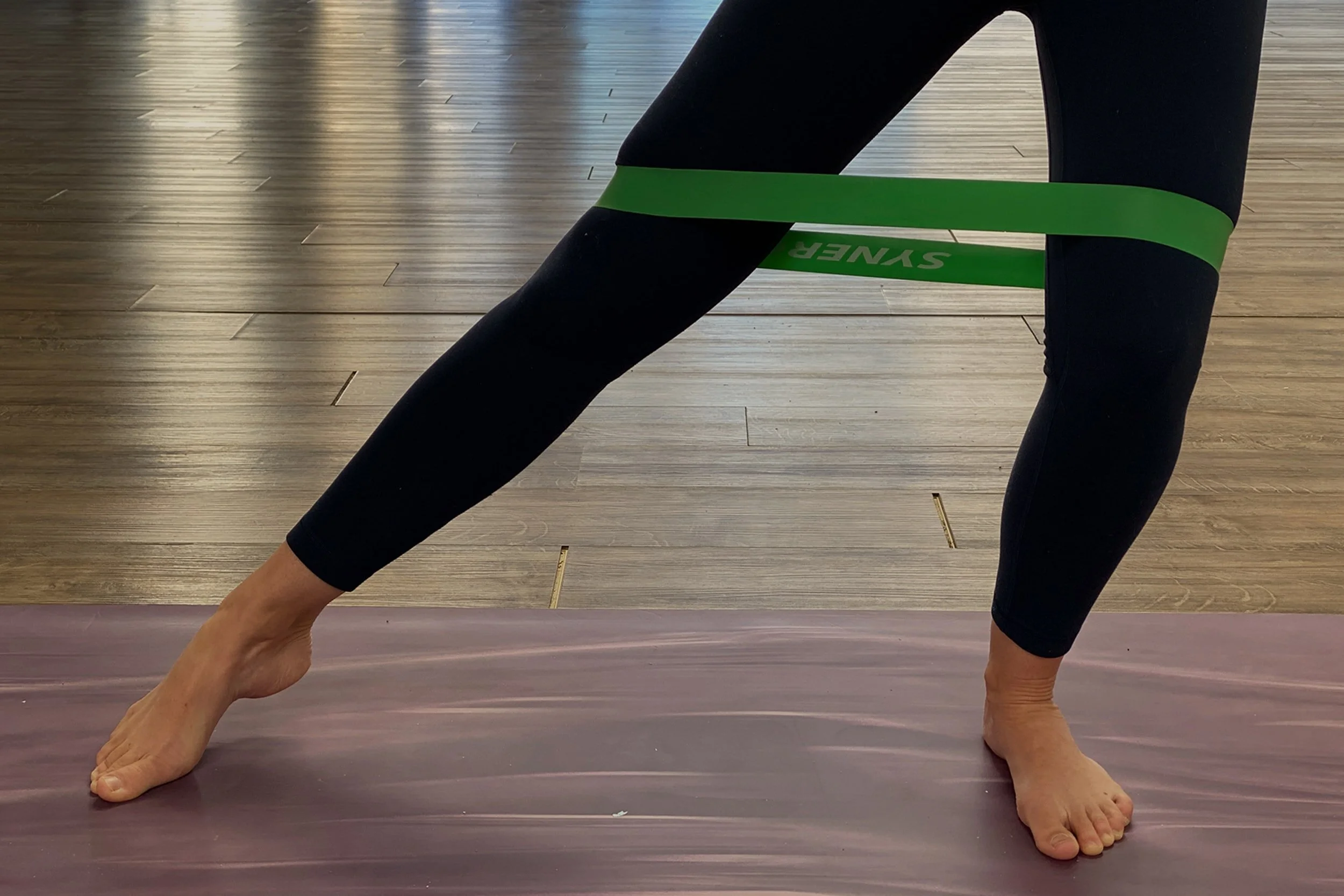
Postpartum 6-12 weeks
Increase the duration of low-impact activities (like walking) as tolerated
Address pelvic floor or diastasis recti concerns with a professional
Begin to progress through core exercises
Incorporate strength exercises like deadlifts, lunges, or box squats that mimic daily life demands
Postpartum 12 weeks-12 months
Gradually add more impact exercise if desired (and if strength training has been adequate)
Begin to increase strength training volume, focus on movement patterns (push, pull, squat, lunge, hinge, rotate)
Use more frequent, but shorter duration workouts to make consistency more attainable
Use tools like the foam roller to address mobility and muscle tightness
This is by no means an exhaustive or very specific list, but hopefully, it gives you an idea of the importance of shifting your training focus to not just meet your goals, but also your needs. If you need help personalizing your program, take advantage of the Active Mom Fitness Signature Consult.

Four Ways To De-Stress As a Mother
Realistically as a new mother, it’s tough to find time to relax or care for yourself. Mothers carry a lot of the mental and physical load of the family. From keeping track of the families schedule (appointments, nap times, feeding times), to loving, holding, rocking, feeding and changing a newborn, there’s very little time to de-stress. However, you don’t want this mental or physical stress to become chronic. It’s important to take a pause in that cycle whenever you can. So, with that in mind, here are four ways a mom can take a break and reset:
Realistically as a new mother, it’s tough to find time to relax or care for yourself. Mothers carry a lot of the mental and physical load of the family. From keeping track of the families schedule (appointments, nap times, feeding times), to loving, holding, rocking, feeding and changing a newborn, there’s very little time to de-stress. However, you don’t want this mental or physical stress to become chronic. It’s important to take a pause in that cycle whenever you can. So, with that in mind, here are four ways a mom can take a break and reset:

Run a bath before bed. Obviously not every night, but you’d be surprised at how relaxing it can be, with the added benefit of improved sleep that night. We do it for our babies, so why not use the same technique? Choose one night every couple of weeks to get some scented epsom salt, your favorite music or podcast and enjoy soaking. If you’re really being ambitious, add some candles. Leave your screen out of the equation, close your eyes and just sit back and breathe deeply. You need to take a moment and pause, and what better place to do that than in a bath of hot water?
Get out and move. Ideally you’re alone, but if you can’t swing that consider putting in some headphones and zoning out as you push the babe in a stroller. Exercise is a great mood booster, and being outdoors is too (two for one!). If outside isn’t realistic and not your thing, try the asanas of yoga or escape to a studio workout. You deserve time for yourself to feel re-energized.
Check in with friends. Get your tribe together and get out for lunch or dinner, or Facetime chat. Text check-ins are great, but every now and then you deserve a bit more. Having good people around you will remind you of the support system you have. Catching up and chatting about what’s important to you is a needed break from the norm. Your personal happiness is important and your friends are great for that.
Sleep. Before you roll your eyes (I know you don’t have full control), but we can’t forget how important a good night of sleep is for our health. This reminder is simply to say that if lack of sleep is severely impacting your mood and ability to function, then you might need to ask for help. Let a friend come by so you can take a nap. Have your partner take a full night and you sleep in another room or away from the house if possible. This might seem drastic, but if it's doable, it might be just what you need to recharge your battery some.

When to Start Prenatal Exercise
The short answer: Right away!
But this also depends on what you consider prenatal exercise. Gone are the days where it has to be gentle stretching (although it could be if that’s what you need).
The short answer: Right away!
But this also depends on what you consider prenatal exercise. Gone are the days when it has to be gentle stretching (although it could be if that’s what you need). In fact, if you watch this video from Nike, you’ll probably feel pretty badass and realize prenatal exercise is going to prepare you for the athletic event that is pregnancy and labor and delivery….a marathon combined with intense sprints.

Prenatal exercise means your training program is designed for the pregnant body. You don’t have to follow a specific set of rules for each trimester. Exercise selection isn’t dictated by the number of weeks you are. A really good prenatal program, simply means you’re going to attempt to put your body in the best position to deal with the demands of pregnancy and motherhood.
Very early in your pregnancy, you may find that prenatal exercise means:

less intensity because you’re extremely fatigued
learning how to engage deep abdominal while it's still fairly easy to feel them
beginning to strengthen pelvic floor muscles
finding a prenatal exercise specialist to keep you motivated through every trimester
addressing muscle weakness or tightness that might become an issue later in pregnancy
Later in your pregnancy, prenatal exercise might mean:
finding new ways to strengthen the core without creating too much abdominal pressure
reducing impact exercise because it's uncomfortable or your pelvic floor can withstand the load
calming exercise to help keep your stress low
making adjustments like switching from pull-ups to rows or floor push-ups to wall push-ups
The above are just examples. Your prenatal program should be based on how you’re feeling, your current fitness level and what you enjoy doing. The earlier you can prep your body for the sport of motherhood, the better.
If you’re ready to start with something simple, download 5 Tips to a Stronger Core During Pregnancy.

Top 3 Self Care Priorities For Moms After Giving Birth
Finally, baby (ies) have arrived! It’s one of those moments we’ll never forget yet barely remember. Leaving the hospital, the first sleepless night...they’ll be ingrained in your memory and yet at the same time, be somewhat a blur. Your whole schedule goes out the window and your priorities change as your life and routine revolves around this little human being welcomed into your world.
Here are 3 things that can help guide your priorities and time in the early days of baby’s arrival
Finally, baby (ies) have arrived! It’s one of those moments we’ll never forget yet barely remember. Leaving the hospital, the first sleepless night...they’ll be ingrained in your memory and yet at the same time, be somewhat a blur. Your whole schedule goes out the window and your priorities change as your life and routine revolves around this little human being welcomed into your world.
Here are three things that can help guide your priorities and time in the early days of baby’s arrival.

Nourish
You’ll be so focused on making sure your baby gets enough nourishment that it’s going to be easy to forget about yourself. You may not realize how important nutrition is, especially if your thought process connects eating less to losing baby weight. However, your tissues need nutrients to heal. You’re going to be getting less sleep, so good nutrition will also be important to support your immune system. Hydration and nutrition will also support you breastfeeding mamas.
Here are a couple of tips to make nourishing your body a bit easier:
On the hardest days, forget “meals” and aim for more frequent snacks. Things like trail mix, instant oatmeal, yogurt squeezers, pre-made PB&jJ sandwiches, and fruit are all easy, nutritious snacks to keep stocked. Naturebox has a nice selection of snacks that you can have delivered to your doorstep. (Use code: ACTIVEMOM for 30% off your first order)
If you’re fortunate to have friends and family support you, meals might not be as challenging, but still isn’t something you’re going to have the energy to put a lot of thought into. When you are able to cook or someone cooks for you, try batch cooking and freezing meals. This way you’ll have access to a quick and nutritious meal to warm up and enjoy. Bonus, if you start on this before the baby is born!
Connect
It’s easy to feel disconnected from your body when transitioning from pregnancy to postpartum. This happens even if you were consistent with prenatal exercise , due to anatomical changes, hormone adjustments, delivery, breastfeeding, etc. It’s totally normal. One of the best ways to start to connect with your body again is through breathing that begins to engage your deep core muscles, including pelvic floor. You can do this on your own or find a pelvic floor exercise app that guides you. It may seem like too simple of an action to make a difference, but proper breathing and beginning to coordinate your breath with pelvic floor and core contractions can lay the foundation for rebuilding your core when you’re ready to return to fitness. Intentional breathing exercises can also help your diaphragm and thoracic spine be less restricted, allowing for better posture and respiration.
Walks and stretching low back and chest muscles are also a nice way to connect with muscles that have been impacted by pregnancy. Remember, progressing gradually is the key and healing is the most important thing right now so if you’re feeling pain, excessive fatigue, or increased bleeding then you’re probably pushing yourself too much.
Rest
“Sleep when baby sleeps”. Very easy to say to people, less easy to do when you’re the one with the baby and a feeling the pressure to get things done when you have the chance. However, in the early days of welcoming baby home, this couldn’t be more important. Give your body a chance to heal and your mind a chance to rest. And when people ask what they can do to help, here are some ideas:
hold baby while you take a 20 minute nap
clean bottles or breastfeeding equipment
wash the dishes/clothes
bring healthy meals
gift a house cleaning service
All of these things are bold requests, but if you have a support network to help you rest….take advantage.

And with that I’ll say, welcome to the world of motherhood, where children become a top priority, but where taking care of yourself shouldn’t fall too far down the list.
Fitness Consistency During a Pandemic: Plan Your Workouts Like You Plan Your Meals
This year has been all about tips and tricks to stay motivated and consistent with your workouts. I’m here to offer you a new strategy, and although it won’t work for everyone, it will give you a chance to shift your perspective. The reason for writing this, came from a question I got about “how to stay motivated with fitness during a pandemic”. My first thought was…
This year has been all about tips and tricks to stay motivated and consistent with your workouts. I’m here to offer you a new strategy, and although it won’t work for everyone, it will give you a chance to shift your perspective. The reason for writing this, came from a question I got about “how to stay motivated with fitness during a pandemic”. My first thought was don’t rely on motivation. My second thought was to give yourself some grace. And then my mind went to the way we meal plan.
Indulge me...Consider your last family dinner. Did you find a recipe? Make a shopping list? Have to go to the store and then prepare a multi-step meal? Or maybe dinner was an old family favorite, made with pantry staples? If it was takeout, was it a go-to favorite, or did you scroll Grubhub searching a bit for a new spot? Maybe it was a combination meal where you bought some veggies already prepared, but fixed the main dish?

My point is that, no matter how you got that meal, the outcome was the same. You wanted a meal, and then you made it happen. My other point is that I bet you don’t always reach that outcome the same way. My assumption is that some weeks you have extra time and feel extra motivated, and those weeks you might take more time in selecting recipes and actually going to the store. Other weeks you might be short on time and do a combination of grocery delivery, meals that require no recipes, and maybe some take out.
Are you still following? Well, if you’re struggling to stay consistent with workouts, maybe you take that same approach. Maybe instead of having the same expectation for yourself each week and failing, you plan your workouts like you plan your meals. The only time I would say, the approach might not be effective is similar to if you have serious fitness goals and all you eat is takeout. That just doesn’t work. But, if your goals are a bit more flexible, then similar to how you eat, a varying weekly approach might be just what you need to stay consistent with fitness during a pandemic.
So, how do you plan your workouts like you do your meals?
Weeks that you’re short on time and energy (weeks you’re favoring take out): These are days where your workouts should be the most convenient and less intense. If walking is easiest for you, plan to do that. If jumping in your regular virtual class is best, that’s your move. Whatever it is, it should take minimal planning or thought. It also should energize you and not exhaust you, so monitor the intensity that gives you that best boost.
Note: maybe one day during this busy week you have a little extra time, so like you would search for a new take out spot, maybe this is when you add a bit of a twist to your convenient workouts. Try a new walking route or a new virtual class. Keep it convenient, but with a little bit more effort.
Weeks that you’re feeling super motivated (weeks you're searching for new recipes and taking the time to go to the store): These are the days you want to be more ambitious with your workouts. Perhaps you’re finding a new fitness studio to try or you’re adding an extra workout in that week. Maybe these are the days you’re increasing your training volume with more sets, reps or resistance. Take the overall motivation you’re feeling and roll it into fitness.
The last note is that if you operate better with more of a schedule…meaning you do your grocery shopping on the same day each week, or plan meals out ahead of time, or perhaps sticks with Meatless Mondays, Taco Tuesdays and so on…you’d probably have more success and consistency if you approached fitness that same way. You could pick one day to plan your workouts for the week (or have someone do it for you) and just stick to the script. This means you don’t even have to stay motivated, you just follow your plan.

I’m hoping you found this perspective interesting and some of you may find it a helpful strategy. I think at the very least it allows us all to realize that fitness is a lifestyle and you look beyond the short term. One day or one week isn’t going to throw off a lifestyle. By planning workouts like you do your meal, it allows you to manage the ups and downs of life during a pandemic, with a bit more flexibility and acceptance of uncertainty. If you’re on a motivation rollercoaster and feeling inconsistent in your workouts, I’d say stop resisting and see what happens if you treat your workouts like you do your meals.

What Happens When You Give Up Weekday Wine? (Four Steps to Healthier Habits)
There’s always been this culture around moms and wine. In 2020 the culture for everyone became quarantine wine. Mom wine and quarantine wine have become part of the culture and an evening ritual for many. However before we discuss your commitment to give up week day wine, I’ll make my first point, which is: your reason for drinking wine probably isn’t as general and broad as, it’s just what moms or people in a pandemic do. So keep that in mind as you continue reading.
There’s always been this culture around moms and wine. In 2020 the culture for everyone became quarantine wine. Mom wine and quarantine wine have become part of the evening ritual for many. However before we discuss your commitment to give up week day wine, I’ll make my first point, which is: your reason for drinking wine probably isn’t as general and broad as, “it’s just what moms or people in a pandemic do”. So keep that in mind as you continue reading.
This article isn’t an opinion piece on drinking culture and really has not much to do with alcohol at all. It’s more about why we have certain habits and what happens when we try to change them. Many moms choose wine as an easy way to relax, have some me time, and escape from all the roles they maintain. Same with quarantine, what became a way to stay entertained for a couple of weeks of quarantine, turned into a routine or way to deal with stress as moved into a year of the pandemic.

Now let’s get back to the catchy headline; no drinking during the week (which is something I’ve heard from many clients as 2021 got underway). Many of you decided to drink less because you want to lose weight, improve sleep, or because you feel like this habit of daily wine has been going on too long. So what happens when you cut back on wine? I’ll give you my personal story.
I decided after the holidays that because I wasn’t moving as much, and things felt a little less festive that there was no need to keep wine in the house. Meaning I’d be eliminating the after dinner wine I would sometimes enjoy. I chose to do this because I wanted to be more conscious about unnecessary calories during more sedentary winter months. It was actually very easy for me not to buy, but what I realized is that I’d then buy occasional sweets instead (which is not something I normally do). I even bought juice, which I NEVER do. Why is this significant? Because I was basically replacing wine with something else and that something else just happened to be high in sugar. My replacement was not going to help me with my goal of watching calories. So although wine was easy for me to give up, I hadn’t addressed why I liked wine after dinner in the first place. I was just giving up one cultural habit for another...trading evening wine for evening sweets.
It was time to dig deeper and you should too. If you want to give something up, you have to figure out why you’re doing it in the first place. I came to the conclusion that wine wasn’t a stress reliever, it wasn’t an escape, it wasn’t an addiction, it wasn’t social. Wine was something I did at the end of the night that signified transition. It was where my day ended and evening began. I was in the habit of doing something to mark the change in time and maybe even give myself permission to drop most of my to-do list. When I gave up wine, I still subconsciously needed a transition and that became a sweet treat.

Once I acknowledged my need and the role the wine was playing, I was able to find a replacement I was happy with to signify that transition. This may sound cliche, but now my habit is to start to brew tea as I’m putting my daughter to bed, so that after I say goodnight I can grab my tea and take 5 minutes transitioning to evening mode. Now my replacement didn’t have to be beverage related. It could have been a workout or a bath or calling a friend or writing in a journal or finishing my last email for the day. I chose tea because it would accomplish my low cal goal and help with sleep (Trader Joe’s Well Rested tea). But the point is, if you're attempting to give up wine during the week, or change any other habit, you should first:
Identify why you’re giving up wine/habit
Identify the reason you’re drinking wine/or that particular habit
Find a direct replacement that is healthy and will accomplish the same thing
Assess whether that replacement has other benefits to solidify your decision
As I said, this article isn’t really about alcohol. If you want to give up hours of binge watching tv, you need to determine why you watch it in the first place and what you’ll do instead….or you’ll find yourself three hours in on the next Netflix trend this weekend.
Happy habit breaking!
Mom Posture: Why Are My Shoulders Rounded?
Catch a side view of yourself in the mirror and you might notice that your ears are slightly forward of your shoulders or that your neck is curved. It may look like you’re slouching even when standing tall, or that you have “winged scapula”. During exercise you might notice your shoulders shrug during pushing or pulling. You may have experienced a shoulder injury from instability, or suffer from headaches. You might even feel your breathing is inefficient.

Catch a side view of yourself in the mirror and you might notice that your ears are slightly forward of your shoulders or that your neck is curved. It may look like you’re slouching even when standing tall, or that you have a “winged scapula”. During exercise, you might notice your shoulders shrug during pushing or pulling. You may have experienced a shoulder injury from instability, or suffer from headaches. You might even feel your breathing is inefficient.
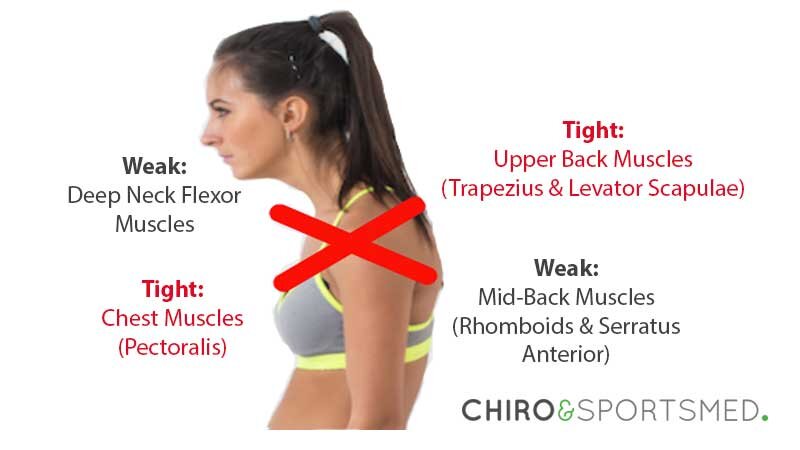
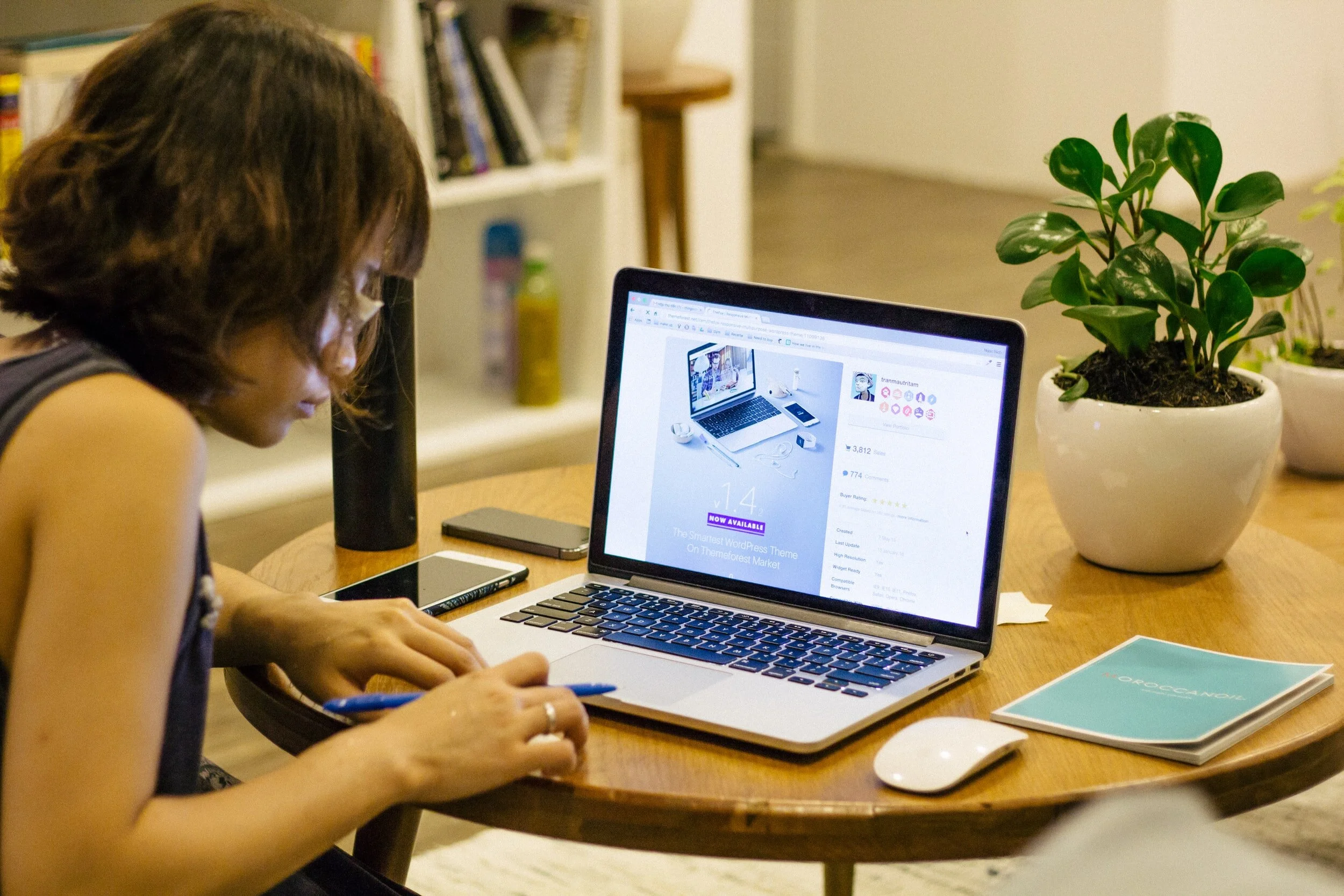
Well guess what? There is a name for that. It’s called Upper Cross Syndrome due to the X you can draw between tight and lengthened muscles in your upper body. And although it’s common among moms, we can’t just blame the kids (although heavier breasts from pregnancy or breastfeeding can contribute). Upper Cross Syndrome affects anyone that is spending extended periods of time with your head forward (think phones and computers). Put simply there is increased stress on your neck and shoulders, which can cause some muscles to be too tight and some muscles to be weak and lengthened.
The good news is that it can be improved or corrected. Here are some starting points:
Daily Life: Determine the positions during the day that are causing your upper cross syndrome and then reduce time in those positions. Feeding the baby? Change up the position. Working on your computer? Use a chair with good lumbar support, ensure the proper height of the keyboard, and take movement breaks. Moms, the daily stuff really adds up, so these small changes can have a huge impact! *Side note, consider your bra. If it’s not supportive, your breast can be pulling you forward.
Lengthen: Free up the shortened muscles that are pulling you forward. Muscles like the upper trapezius, levator scapulae, and pecs (upper back and chest) can be lengthened through dynamic and static stretching, as well as using tools like a tennis ball or foam roller. A doorway chest stretch and some upper back foam rolling is a great place to start. Stretches like ear to shoulder while also tilting your chin toward your shoulder are helpful as well.
Strengthen: Your rhomboids, serratus anterior, and lower traps (mid back), as well as your neck flexors, are probably lengthened and weak. Exercises such as standing or floor Y-raises, and chin tucks are a simple place to start.
So what do you say mama, are you ready to address what has always just been called poor posture? Find a program that works for you!

Six Healthy Habits I'm Happy I Stuck With (Part Two)
I believe in the power of movement, nutrition and physical activity on your mental and physical health and know that it’s important to start that education and those habits young. Looking at my daughter as a six year old, understanding how to take care of her body and having the confidence to be a physically active kid really warms my heart.
I believe in the power of movement, nutrition and physical activity on your mental and physical health and know that it’s important to start that education and those habits young. Looking at my daughter as a six year old, understanding how to take care of her body and having the confidence to be a physically active kid really warms my heart :)
And that brings us to part two of the Six Healthy Habits I’m Glad I Stuck With (as a reminder this post came about after reflecting on my daughter turning six, click here for part one).

4. Eat Dinner (or one meal) Together Every Day: Experts have proven the importance of family meals, not just for nutrition, but for a child’s self esteem, academics and more. Since she was in a highchair, I made sure that if she was having dinner, I was in a chair right next to her having dinner too. I also have gone a step further, and other than when she didn’t have teeth (although I gave my best shot at baby led weaning), her and I have always eaten the exact same meal. In some ways this goes back to the idea of there shouldn’t be food “made for kids”, but I also do it because it gives her exposure to new foods, it models healthy eating without forcing it, it creates less stress for me to have to make and clean up two different meals, and it gives us an opportunity to discuss what we’re eating. Sure this means sometimes the meal is more basic than I’d like or more flavorful than what she’d like...but I always make sure to have one thing in the meal that both of us will enjoy. Where does that leave us now that she’s six...with a consistent evening routine and a lot of interesting dinner conversations. I’ll treasure these moments because I know when she’s older and gets involved in activities this may become harder.
5. Choose Vocab Carefully: I cringe when I hear the terms “good” food or “bad” food the same way I do if I hear the term “good kid” or “bad kid”. Eating ice cream shouldn’t make you feel bad or guilty and can lead to unhealthy behaviors (I’m sure many of us can relate because that was more common how we grew up). It was important for me to have her understand that a healthy diet can include all food, and that some foods should be eaten more than others. My approach was to have her understand the impact certain foods had on us. For example oranges have vitamins that help you not get sick and donuts have a lot of sugar, which can make it hard for you to sleep. Where does that leave us now? She has a sweet tooth like me so she’ll still ask for the ice cream (as the ice cream truck seems to have a permanent home on our block), but she understands when I say no to all of the items in the checkout line, that it’s because I’m looking out for her health. Although she may not be happy with not getting ice cream every time she asks, she doesn’t feel like she’s eating something bad or forbidden when we do indulge.
6. Anatomy and Physiology Lessons: Okay, I know this isn’t difficult for me given my field, but my daughter’s only six so the lessons have been pretty basic. My main goal is her having an understanding about how her body works so that when I make decisions for her health or she makes decisions on her own, it’s an informed decision and not just “because my mom is making me or told me so”. It started with very basic day to day stuff, like making sure we grab our water bottles before we leave the house because our body runs on water. Or put your hand on your chest after running around and feeling how fast your heart is pumping. It’s also using appropriate names for body parts like vagina or perhaps a bit extreme, “abrasions” instead of “boo boos”. It’s been simple to provide her with this information as we go through our day and now that she has some understanding she is very comfortable talking about all of her body parts. What impresses me the most is that she’s moved down the spectrum of behavior change from having the knowledge, to having a positive attitude about health, to now making decisions that she feels are best for her. These decisions range from going to her room to lay down when she’s feeling grumpy, to drinking more water when she is sick, to asking me which foods on her plate will give her the protein for strong muscles.

As I mentioned in part one, this is somewhat unsolicited mom advice, and what works for me, may not work for you. But, as I’m sure you know from experience, habits learned at an early age (for better or worse) tend to stick longer and are easier to adopt. So if there is something that’s important to you, a healthy habit you want your kids to always know…then keep at it. Find a way to have a healthy family.
Need help getting yourself healthy, so you can be the role model you want to be? Schedule a free phone call with me and I’ll point you in the right direction.

Six Healthy Habits I'm Happy I Stuck With (Part One)
I’m going to share with you Six Healthy Habits (2 part post) that I believe has made a difference in my daughter's health and perspective of what healthy is. This all comes from a week of reflection as she turned six...hence the 6 tips. Hopefully you can find that one of these is helpful and makes sense for you and your family. And if you don’t agree with any of them, I hope you at least enjoy the perspective that no matter how hard it is to maintain the habits when your kids are toddlers/preschoolers, it can prove to be worth it when they’re a bit older.
WARNING UNSOLICITED MOM ADVICE. I felt it important to start with that disclaimer because mom groups, social media and blogs are full of advice for you on how to be a mom and the choices you should make for your child. Now that may sound slightly cynical, but it’s not meant to. Because certainly there are times where that unsolicited advice is needed and welcomed because you learn that many of us moms are going through the same thing, that you’re not alone and that there are solutions. However the same advice can be overwhelming because similar to fitness, there is no one size fits all approach to parenting.

Camelback Mountain, Poconos
So now that I’ve given my disclaimer, I’m going to share with you Six Healthy Habits (2 part post) that I believe has made a difference in my daughter's health and perspective of what healthy is. This all comes from a week of reflection as she turned six...hence the 6 tips. Hopefully you can find that one of these is helpful and makes sense for you and your family. And if you don’t agree with any of them, I hope you at least enjoy the perspective that no matter how hard it is to maintain the habits when your kids are toddlers/preschoolers, it can prove to be worth it when they’re a bit older.
Ditch the stroller early. I can remember how long it would take to get places by having her walk instead of ride in a stroller at the age of one and two, but in the long run it was worth the pain. She saw walks as something enjoyable as she got to explore the environment around her. She saw walks as a necessity to get somewhere. She saw walks as something we can do together. So now, at the age of six one of her favorite requests is if we can go “explore the city today”. And that’s usually good for a few miles of activity for the both of us.
No Treats or Snacks. Before you gasp, we eat snacks but I’ve always been very careful as to what I labeled as “snack foods” and try to stay away from the word “treat”. I’ll explain both. Marketing would like to have us think not only are there specific foods that should be eaten between meals, but that there are also specific snacks that kids should eat. I don’t love those concepts. Instead I’d often give her leftover salmon from dinner for her afternoon snack or ice cream before dinner because I didn’t want her to think of it as a reward, but rather a food we can enjoy once in a while. Where does that leave us now that she’s six? One, we get to enjoy the occasional cookie for breakfast and its no big deal, and two, we avoid too much processed foods because she doesn’t always expect goldfish or crackers between meals.
3. Make Fitness a Family Affair. This is one that I talk about often and somewhat the basis of my business name Active Mom Fitness. To be a mom that is physically active, fit and feels good moving, well...you have to be just that, an “active mom”. And we all know how time consuming kids are, so one solution is to make some of that active or exercise time a family event. This can mean working out together, it can mean walking together, it can mean you getting in a 10 minute workout while “watching” your kid’s gymnastics class. If I removed all of the time I’ve spent exercising with or around my daughter, the amount of activity I have gotten over the years would probably decrease by at least 50%. And where does that leave her and I now? She understands the importance of activity and enjoys participating with me. As an added bonus she is confident and comfortable with physical activity.

Thanks for reading. I’m sure there are some habits that are important to you, but that you’re feeling are difficult to stay consistent with (especially when it comes to nutrition and exercise with kids). My unsolicited advice is to keep trying because it will be worth it, mama. Make sure to check out habits 4-6 in the next post.
If you like my perspective and would like me to help you manage family and fitness, contact me.