Active Mom Insights
Blog posts by Ashley Reid
Do Prenatal Exercise Guidelines Provide Enough Guidance?
Aiming to daily kegels is a bit unrealistic and not super helpful for most people. However this recommendation is new to the guidelines and a very important addition. More effective than stationary and isolated exercises like kegels, is being able to incorporate both contraction and relaxation of the pelvic floor muscles during movement. I’d prefer people do this during strength training and major movement patterns because that’s when you need to be the most functional. Use kegels to teach yourself what activation of these muscles feels like, and then learn to coordinate activation with breath and movement.
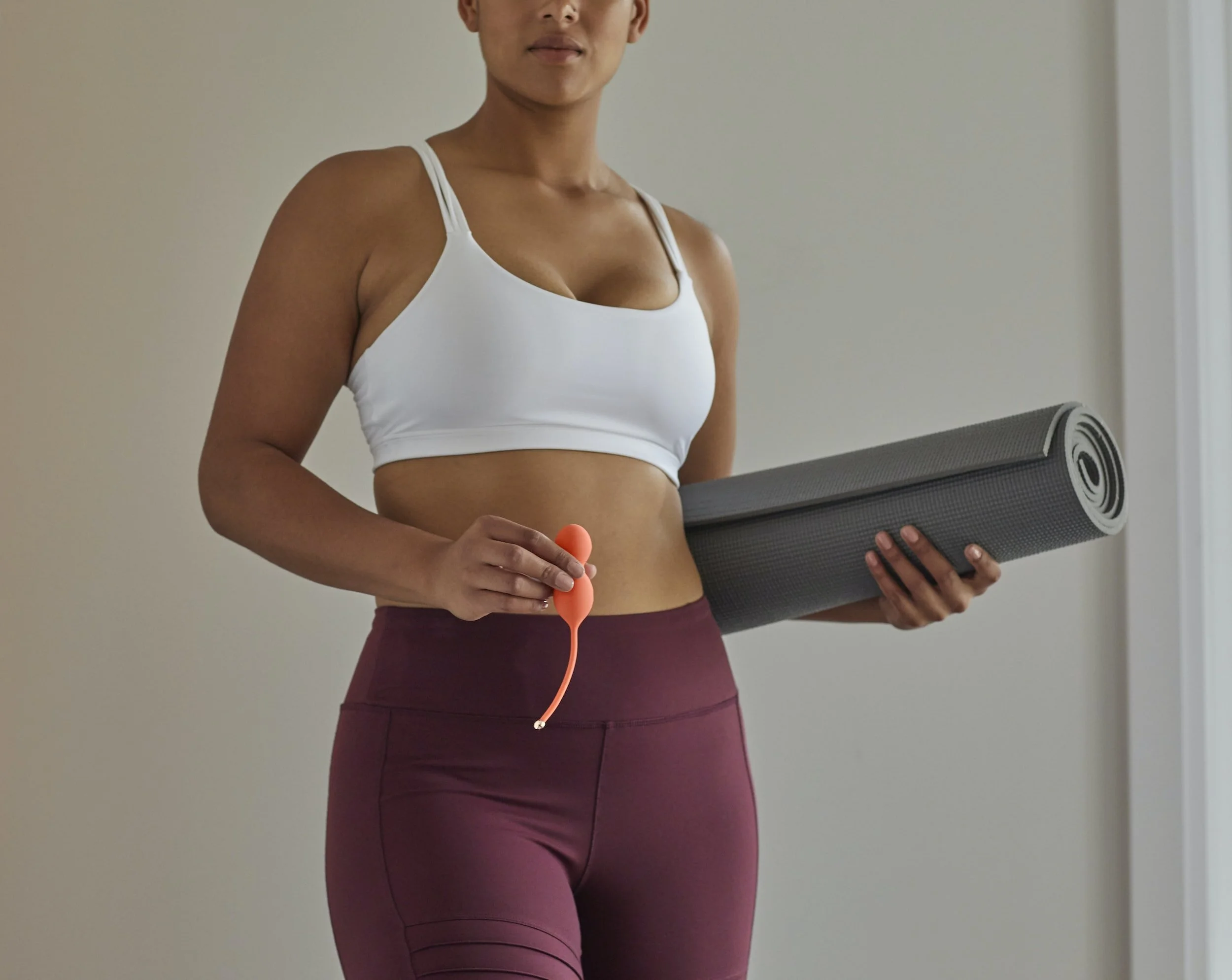
Exercise during pregnancy benefits both you and your baby. It’s one of the first decisions you can make for the health of your child. Unfortunately less than 25% of moms-to-be are meeting the physical activity recommendations. The reason? Lack of guidance. Your doctor has probably encouraged you to exercise, and may have even reviewed the prenatal exercise guidelines with you. So why do so many people feel like they don’t have enough guidance to exercise? My assumption is that most moms don’t have the experience to translate the recommendations into practice. At a time when you may be worried about safety, and feel scared that you’re going to do something to harm you or the baby, a little more specificity and support implementing the guidelines can go along way. It’s not necessarily that guidelines don’t provide guidance, but rather more moms need access to professionals that can help them understand how to put them into practice. Let’s take a look and translate the American College of Sports Medicine Prenatal Exercise Guidelines a bit further so that you don’t end up in the 75+% of moms that don’t get enough activity during pregnancy.
Recommendation One: “Accumulate 150 minutes of moderate physical activity each week. Physical Activity is encouraged everyday, but should occur over a minimum of 3 days per week.”
The Breakdown: Moderate refers to intensity. There is no longer a heart rate max. limit during pregnancy. The best way to monitor intensity is to use the Borg Scale, which measures perceived exertion. A moderate intensity generally falls between 12-14 (breathing harder, but can still talk). If you were active before pregnancy, higher intensities may be appropriate, however maximum intensities for most people should be avoided. Suggesting you accumulate 150 minutes means the amount of activity can fluctuate each day, but you’re aiming to total 150.
My Take: Structured Exercise is important, but just as important is not being sedentary. Move more to make your pregnant body feel good. I’ve seen such success with strength training that I’d recommend two days of full body 30-minute strength workouts (more if you enjoy it and have energy), and walking on most other days (around 20-30 min. each day). If you like to do different forms of cardio you can supplement the walking.
Recommendation Two: “A variety of physical activities should be incorporated, both aerobic and resistance in nature, along with yoga and gentle stretching.”
The Breakdown: Aerobic is another word for cardio workouts and refers to workouts that challenge the cardio-respiratory system (walking, dancing, possibly jogging/biking). “Resistance in nature” refers to workouts that use resistance to target muscle strength (bodyweight, free weights, machines, bands, etc.). The guidelines state yoga or gentle stretching because you can usually find prenatal options, but the purpose here is to emphasize lengthening muscles that tend to get tight during pregnancy.
My Take: In terms of resistance training, rather than focusing on training specific muscle groups, emphasize training movement patterns like squats, lunges, hip hinges, push, pull and (anti) rotational movements. This will ensure you’re able to continue to move well as your body changes. The guidelines may give you the impression by using the term “gentle”, that you need to be worried about the type of mobility work you do, but even with the relaxin hormone there isn’t a ton of evidence saying that it will contribute to injury. Yoga is a great option, but for the non-yogis, a dynamic warm up before a strength session, or some targeted stretching at the end of a walk can serve the same purpose. The goal is really to keep your joints moving as they should, despite some muscles being shortened due to the changes in your body while pregnant….hips are usually an area that feels tight for pregnant moms.
Recommendation Three: “Pelvic Floor related exercises (e.g., Kegels) should be performed daily”
The Breakdown:Your pelvic floor muscles are impacted both by hormones, change in function of abdominal muscles, changed breathing, and weight of the baby. Unfortunately most people don’t know much about the pelvic floor until pregnancy, and usually when they experience incontinence. Your pelvic floor muscles can be considered the basement of your core, so to have a functional and strong core during pregnancy, training these muscles can’t be ignored.
My Take: Aiming to daily kegels is a bit unrealistic and not super helpful for most people. However this recommendation is new to the guidelines and a very important addition. More effective than stationary and isolated exercises like kegels, is being able to incorporate both contraction and relaxation of the pelvic floor muscles during movement. I’d prefer people do this during strength training and major movement patterns because that’s when you need to be the most functional. Use kegels to teach yourself what activation of these muscles feels like, and then learn to coordinate activation with breath and movement.
Recommendation Four: “Warm-up and cool-down periods should be included in any Physical Activity regimen”
The Breakdown: Think of a warm-up and cool-down as transition periods. The warm-up should prepare your body for the type of exercise you’re going to do, and the cool-down should help you return to a resting state after working out.
My Take: Your body’s cardiovascular system changes quite a bit during pregnancy. The higher blood volume can mean a higher heart rate. A warm-up and cool-down can help you gradually increase and decrease your heart and respiratory rates, so for those of you that didn’t make much time for that before, you may find it more beneficial during pregnancy. However, you don’t necessarily need a specific routine. If you’re going for a brisk walk, your warm-up might mean starting slow and gradually increasing your pace. If you’re working out first thing in the morning, it might mean a longer period of mobilizing areas that tend to get tight during pregnancy, like back and hips. Your warm-up should mimic your workout and your cool-down should be to bring your body closer to a relaxed, resting state.
Recommendation Five: “Physical Activity programs should be individualized for each woman based on situation, experience, and current health status”
The Breakdown: Avoid any one-size-fits-all fitness advice. Factors like exercise history, pregnancy complications, access to equipment, energy level, and ability to perform strength exercises with good form…it all should be considered in workout selection or program design.
My Take: In reality, fitness should always be individualized, but it’s unrealistic to think everyone can have access to a fitness professional that can customize your program. However, if there is anytime to be thoughtful about exercise, it’s during pregnancy. Exercise can be your most powerful tool in combatting the aches and pains of pregnancy, and feeling strong and confident. Take some time to self-assess your needs and abilities. Don’t get caught up in the internet rabbit hole of Do’s and Don’ts, or best exercises for each trimester. Don’t overcomplicate things. If you aren’t able to seek the support of a prenatal exercise specialist, keep it simple: Walk often, hit the major movement patterns twice per week incorporating pelvic floor work, and stay mobile.
Hopefully, this breakdown has eased some anxiety and motivate you to exercise during pregnancy. Continue to follow this blog for tips or @activemomfitness on Instagram.
Five Reasons for Moms to Workout on Vacation
Summertime tends to be packed with weekend getaways to the beach and family vacations and when it comes time to pack, we often pause and wonder if we should throw our workout clothes into the suitcase. We all deserve to disconnect, relax and stray from our normal routine, so you’ll get no judgment from me if you choose to leave your sneakers at home. However, for those of you throwing your mini bands in your luggage, I also support that. Here are 5 reasons why working out on vacation may be beneficial for moms:
Try a new activity: At home, you probably tend to use the same fitness app, or walk the same route, or go to the same classes, but vacation is a great time to experiment with a new activity. On my last vacation, I didn’t necessarily change the exercises, but by doing lunges in the sand my muscles worked in an entirely different way. Check to see if paddle boarding or yoga in the water is an option on your next trip.
Explore a new city: If you’re staying away from the beach and heading to a cultural destination, renting a bike or jogging through neighborhoods is a great way to explore the city. Stopping along your route to take pictures or marvel at art, won’t even feel like exercise. So next time you find yourself in a new city, skip the bus tour and hit the pavement.
Planning ahead: How often do we go on vacation only to end up with double the work and emails when we get back? This happened to me recently after taking a couple of days off. The week of my return was busier than ever and finding time to get back to exercise felt impossible. If you’re anticipating missed workouts when you get home, consider staying active while away.
Avoid pain and stiffness: Our body needs to move to feel good. Whether you’re traveling by train or car, if your destination involves sitting for a long period of time then setting some time aside for physical activity when you arrive makes sense. At the very minimum, go for a walk once you get to your destination so you don’t wake up stiff and with a sore back.
Maintain consistency: I believe fitness is a lifestyle. Your overall fitness level isn’t going to change a ton if you’re consistent year-round with the exception of a few weeks you take vacations. However, if you tend to travel every other weekend in the summer, you might want to include exercise in those plans. If it’s possible that you’ll be skipping workouts week after week, by incorporating activity into your travel plans you’ll avoid the feeling of needing to “get back on track” after Labor Day.
Now that I’ve discussed the five reasons you should work out, let me make mention that fear of gaining weight is NOT a good reason for most consistent exercisers. If you’re good about exercising weekly at home, a few days away may mean a few extra pounds if you’re indulging in good food and drinks, but as soon as you return from vacation your body will strive to get back to your baseline. Enjoy your vacation and return to your healthiest habits when you get home.
Help Your Hips By Training This Muscle
After you become pregnant, you probably become more aware of your hips than ever before. If you’re in need of more strength and stability, glutes are a key factor. With so many exercises to choose from, if you’re just starting out don’t complicate things…
If you’ve ever worked with me, you know that I’m slightly obsessed with training glutes, but it’s about way more than aesthetics…although “mom butt” is a thing, so glute exercises are key to combat the flat butt appearance that can occur during or after pregnancy.
The reason I include glute exercises in every session is because they play a major role in both hip stability and movement (they also provide stability for the knee, SI joint, and spine, but that’s for another post). In this article, I’m hoping I can convince you that training your glutes two times per week is essential for your hips…and aesthetics.
Let’s talk about anatomy first. You actually have three muscles that make up the glutes. When any of these muscles are weak or tight, your hips are impacted.
The gluteus maximus is the superficial gluteal muscle and is the largest of the trio. This is the one that makes up the shape of your butt/hips. The gluteus maximus is responsible for the force required to stand from a seated position, go up the stairs, or generate power in athletic movements. The primary movement of the gluteus maximus is to extend your hip (bring the leg backward or stand upright from a bent position), as well as external rotation of the hip.
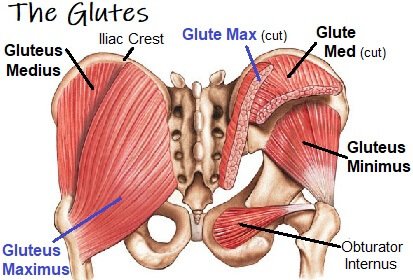
Image from Knee-pain-explained.com
The glute medius is a broad fan-shaped muscle found between the maximus and minimus, as a middle layer. It works with the minimus to provide hip stability when one leg is off the ground, like when you’re standing on one leg or during walking and running. The gluteus medius also works with the minimus to abduct your hip (lift your leg out to the side). Your pelvis won’t be as stable if your glute medius is weak, which can then cause issues in your knees and lower back.
The glute minimus is also fan-shaped and is the smallest of the glute muscles. It also lies deepest, under the glute medius. The glute minimus assists the glute medius in the stability of the pelvis, hip abduction, and hip rotation. If you’re lifting your leg out to the side, or standing on one leg, this muscle is activated.
So now that you know there are three glute muscles, let’s talk a bit more about what they do and the exercises that train them.
As already mentioned, they are stabilizers. They work with other core muscles to help stabilize your trunk and hip, which helps with posture and proper alignment. This is why if you’ve ever been in physical therapy, glutes are usually a part of the program. Outside of stability, you’ve learned that glutes are responsible for hip movement, which are as follows:
Hip extension refers to straightening at the hip joint. This can happen when standing from a bent or seated position, or when you extend your leg backward. If your glutes are weak then you might overuse your back muscles when bending and lifting, causing pain or even injury.
Hip abduction is when your leg moves away from the midline of your body. Your glutes help your legs move in this direction, but also provide stability by activating in movements that could cause too much or too little rotation, like when you perform wide stance squats.
Hip rotation is when your thigh rotates away from your midline.
Now let’s take a quick look at examples of glute exercises.
There are several variations of hip abduction, extension, and rotation exercises, which means you can continue to make progress by progressively challenging yourself.
The gluteus maximus is activated both in horizontal and vertical exercises. Vertical exercises would be variations of squats, lunges, deadlifts, step-ups, and kickbacks. Horizontal exercises would be variations of hip thrusts and glute bridges.
The glute medius and minimus are activated during hip abduction and rotational exercises. Examples of these include the quadruped fire hydrant, seated abduction machine, clam shells, band wood chops, or lateral mini band exercises like shuffling and side leg lifts.
After you become pregnant, you probably become more aware of your hips than ever before. If you’re in need of more strength and stability, glutes are a key factor. With so many exercises to choose from, if you’re just starting out don’t complicate things. Choose one horizontal hip extension exercise, one vertical hip extension exercise, and one hip abduction exercise. As you progress, or if you’re looking to do a bit more sculpting, your volume may need to increase and you’ll experiment with different variations, but for now…get those two days per week of glute training!
PS. If your hips are feeling tight, try this hip mobility flow!

Don't Ask For This Gift For Mother's Day
Okay, so if you really need some time alone on Mother’s Day, I’m not saying you’re wrong for asking for it. However, my hope for you is that if time to yourself is important to you, that you don’t treat it as a special occasion.
TIME ALONE
Okay, so if you really need some time alone on Mother’s Day, I’m not saying you’re wrong for asking for it. However, my hope for you is that if time to yourself is important to you, that you don’t treat it as a special occasion.
Moms tend to put things like “me time” “gym time” or “girls’ night out” into a specific category. Although this category doesn’t have a name, items in this category often make you feel guilty for requesting it, and anxious trying to find the time, and those items are characterized as a luxury rather than a necessity. So I guess the point I’m really trying to make is that whether it’s time alone, time for exercise, or time with your friends, don’t categorize it to your partner or family as a “gift”. All of those items in our unnamed category contribute to your well-being, which is something I’m sure you’d like to value for a lifetime and not just on holidays. Again, if time alone on Mother's Day is what you really want/need, I hope you get it. But, my wish for you is to meet your needs year-round and find a different, unique, and special way to celebrate our well-deserved holiday.
Looking for some active ways to spend the day?
Walk to your favorite coffee shop sit and drink your favorite drink (alone), and then bring back some of your family’s favorite treats to share.
Walk (or stroll peacefully) around a new neighborhood, park or public garden
Go on a family bike ride and stop along the way for ice cream or a picnic
Play a round of mini golf with the kids (or wearing your baby)
Try a new fitness class (maybe with your own mom)
Purchase a fitness-related gift for yourself (Private/small group training, new home gym equipment, sign up for a 5K run or walk)
Indoor rock climbing
Long walk on a paved hiking trail (ideally with someone else pushing the stroller)
Whether you spend time alone or active with your family, Happy Mother’s Day!
Ashley
Nap or Workout? What's More Beneficial For You?
Do you get enough sleep? Yikes, I know this might be a sensitive subject or silly question for moms with babies. But, it is a question worth asking if it is rephrased to, “do you get enough sleep to workout?” Exercise is a physical stressor on the body. So is sleep deprivation. So if you exercise while sleep deprived, you need to consider the consequences. However we also know that exercise has many benefits, including aiding in sleep and providing energy…so avoiding it all together isn’t always the best solution either.
Do you get enough sleep? Yikes, I know this might be a sensitive subject or silly question for moms with babies. But, it is a question worth asking if it is rephrased to, “Do you get enough sleep to work out?” Exercise is a physical stressor on the body. So is sleep deprivation. So if you exercise while sleep-deprived, you need to consider the consequences. However, we also know that exercise has many benefits, including aiding in sleep and providing energy…so avoiding it all together isn’t always the best solution either.
For many moms there probably won’t be one answer. It will probably vary week to week based on cumulative sleep loss and type of physical activity, knowing some workouts are more intense than others. So although I can’t give you a definitive answer, I can provide you with some factors to consider when you’re debating whether the 30-minute nap vs. 30 minutes of exercise is more beneficial for you.
If you are strength training and not getting adequate sleep after workouts, your results could be compromised. During resistance training your muscles essentially break down and it’s in repairing that you see results like increased strength and definition. Growth Hormone is the hormone responsible for this repair, however, this hormone is produced during sleep. So if you’re not sleeping enough, your muscles may not have sufficient repair time to see the results you’re working for. So in this case it may sound like a nap is more beneficial, but a 30-minute nap may not get you to the stage of sleep you need to produce Growth Hormone. You could choose the workout, but if you do, make sure you can get enough sleep that night to support your efforts or perform a workout that does less damage to your muscles.
If you find that when you are participating in the same type of exercise as usual, but your workouts are seemingly harder, this could mean the lack of sleep is impacting your perceived level of exertion. Research has shown that with insufficient sleep, your workouts may feel more challenging than you’d normally think they are. Most people don’t like to suffer through workouts they believe they should be able to do, so this change in perception might dissuade you from keeping up with your exercise plan. However, studies do show that interval training with intervals of 30 seconds or less may not impact your perception of exertion quite as much as longer intervals.
If you’re exercising with a weight loss goal, lack of sleep can interfere with your progress. You have hormones like Lepitin, ghrelin, and endocannabinoids and their role is to regulate appetite. Without proper sleep, they may cause you to crave carbohydrates. Cortisol is another hormone that is impacted by sleep. With the stress of sleep deprivation, your levels of cortisol may remain high which then affects both weight loss and can disrupt sleep.
If you’re wondering if there are actually any benefits to napping, there are. Studies have shown that napping can improve cognitive function. If your brain feels foggy, or your attention span isn’t great, or your memory seems off, napping could be of benefit to you. The best time to nap is between 1-4 pm and between 20-40 minutes so that you don’t disrupt your bedtime sleep. Additionally, when observing sleep deprived athletes, there is evidence that napping can improve physical performance (the same improvement was not seen in well rested athletes).
Well, I started this post saying that there won’t be one answer, but I’ve definitely given you some things to consider. My best advice would be if your sleep deprivation is chronic, that you should aim for low to moderate-intensity exercise, and just enough to meet the physical activity recommendations for health. If your sleep deprivation is more acute, considering the timing of your workout may be beneficial. Because exercise performance decreases each hour after waking, aiming for physical activity early in the day can lead to a better workout. If there is a possibility for a nap, I’d suggest not planning to work out in the afternoon between 1-4, as that would be prime time for a nap. If you decide to nap before a workout, giving yourself at least 30 minutes of wake time before activity is recommended.
As you navigate your sleep cycle, a flexible exercise plan can feel more manageable. On days you get good rest, maybe a workout later in the day is possible. On days you wake up early, aim for a morning workout. If your sleep deprivation is sporadic, maybe you skip the workout altogether, or aim for shorter intervals rather than the endurance workout you planned.
At Active Mom Fitness, sleep and the ability to recover are always a factor. If you need more guidance navigating a workout program that works while you’re sleep-deprived, schedule a consultation.
3 Reasons Resistance Training is Better than Cardio for Moms
In my opinion, resistance training is better.
I’m speaking to the average mom who has little time or energy, and isn’t training for any specific endurance event. If that sounds like you, and you’re a mom that wants to be heart healthy, wants to reduce the risk of injury and pain, and wants to feel and look strong in her body…resistance training beats cardio. If you’re in the position of having to make a choice between a strength or cardio workout, I’m making the choice for you, its resistance training). Here is why:
In my opinion, resistance training is better.
I’m speaking to the average mom who has little time or energy and isn’t training for any specific endurance event. If that sounds like you, and you’re a mom who wants to be heart healthy, wants to reduce the risk of injury and pain, and wants to feel and look strong in her body…resistance training beats cardio. If you’re in the position of having to make a choice between a strength or cardio workout, I’m making the choice for you, its resistance training). Here is why:
Resistance training can improve your VO2 Max. V02 Max refers to the maximum amount of oxygen that an individual can utilize during intense or maximal exercise. This measurement is generally considered the best indicator of cardiovascular fitness and aerobic endurance. Activities like running and spinning are often what we think of when we hear the term “cardio”, and we often associate those activities with improved cardiovascular health (heart health). And our assumptions are correct. Regular participation in activities like those most likely will improve your V02 Max/aerobic capacity. However, studies also show that resistance training, specifically various forms of circuit training, will also improve your cardiovascular health/V02 max.
Two for One: As mentioned above, the right resistance training workout will improve your cardiovascular health. Performing a 30-minute circuit training workout with 6-10 different exercises, three days per week is enough to improve your heart health, but also provides you with all of the benefits of strength training, like bone health, disease prevention, and blood sugar regulation. So if you’re like most moms and can’t imagine fitting in any more than short 20-30 minute workouts a few days per week, resistance training will cover both your strength and aerobic needs.
Aesthetics: Having a baby can change the shape of your body, and this goes beyond weight. You might notice more rounded shoulders, a flatter but, or fat in places it wasn’t before. Resistance training specifically targets your muscles, and with the right program, you can build back your glutes, improve your posture, and increase your lean mass. Resistance training is essential if you’re trying to reshape your body. Not to say cardiovascular training will not do that, but it’s more of a side effect than an intention.
So am I saying cardio activities like dance and brisk walking are not beneficial for moms? Nope, not at all. If you enjoy them and it’s something you can stay consistent with, then by all means you should do it. If you want to do a family bike ride every weekend or run a half marathon then yes, cardio can be an important part of your exercise program. If you enjoy the endorphins running produces, or if you’re exercising to lose weight then cardio might be great for you (side note, cardio isn’t better for weight loss, but it’s an additional way for you to burn calories outside of strength workouts). However, if your goal is to maintain general fitness and you want to maximize the benefits of exercise in the least amount of time…then resistance training IS better for moms. At least in my opinion.
If you need guidance, find a program that is right for you!
5 Things Your Prenatal Fitness Trainer Should be Doing
Trying to navigate prenatal exercise classes and advice can feel overwhelming. Figuring out what is best for your changing body can create feelings of fear, uncertainty and doubt. Information on the internet is often contradictory, and if even you understand the prenatal exercise guidelines, you may not feel confident in implementing them.
Trying to navigate prenatal exercise classes and advice can feel overwhelming. Figuring out what is best for your changing body can create feelings of fear, uncertainty and doubt. Information on the internet is often contradictory, and if even you understand the prenatal exercise guidelines, you may not feel confident in implementing them. Whether you’ve worked with a personal trainer before or not, pregnancy is a great time to enlist the additional support you need. In fact, the newest guidelines from the American College of Sports Medicine recommend an individualized program during pregnancy. If you have the access and means to do so, working with a qualified prenatal fitness professional can ensure your program is safe and effective. As a prenatal fitness expert myself, I know the role comes with a lot of responsibility and take that very seriously. So how do you know if the fitness professional you choose is prepared to coach you through pregnancy?
Here are 5 things your prenatal fitness trainer should be doing
Assessment: Assessment refers to establishing a baseline in strength, aerobic capacity, and mobility. However, it also includes exercise history, preferences, needs, and injuries. The benefit of working with a personal trainer is customized programming, so at the very minimum, the fitness professional you work with should perform a thorough assessment. As you progress through pregnancy, they should continue to note and evaluate changes in your core function, workout recovery, and daily discomforts.
Understand trimester trends: Reading online or scrolling Instagram would make it seem that there are “bad” and “good” exercises for each trimester. This is not the case. Everyone’s needs and abilities during pregnancy vary. The professional you work with should never program exercises based only on your current trimester, nor should they make assumptions about what you’re capable of. However, there are trends during each trimester that they should be aware of, including the fear and fatigue you might feel during the first trimester, or the disturbed sleep or pelvic pressure you might experience in the third trimester. These factors can all influence the workouts they design.
Pregnancy continuing education: Hopefully you’ll do your due diligence and select a personal trainer well-trained in exercise science, and one that has taken the extra courses to provide them with prenatal exercise credentials. However, someone working with pregnant people should also have a good, general understanding of pregnancy overall. Heartburn may seem unrelated to exercise, but a professional with an understanding that this is common during pregnancy can coach you on the timing of your meals, or avoid exercises in a position that worsens your reflux.
Providing referrals: Prenatal personal trainers or prenatal exercise instructors should be well-trained in prenatal exercise design. They should demonstrate knowledge about the abdominal wall and pelvic floor muscles. However, if you demonstrate any dysfunction or pain they should refer you to the appropriate health professional. This doesn’t mean they shouldn’t work with you, but no matter how knowledgeable they are, it is outside of their scope to diagnose or come up with a treatment plan. They may be certain that your symptoms indicate symphysis pubis dysfunction, but the only support they are qualified to provide is making sure that your exercise program does not exacerbate symptoms, and can help you strengthen and lengthen the muscles that may help you experience less pain. It’s a bonus if they can work in collaboration with the physical therapist you’re referred to so that you receive the most thorough care.
Avoiding Promises: If your personal trainer uses words like “fit pregnancy” “bounce back after baby” or “easy delivery”…run! A qualified professional will be focused not on how “toned” your muscles are, but rather how you feel and move so that you can continue to be strong and active through 40 weeks of pregnancy. A qualified professional will design a program that you can stay consistent with and that strengthens/lengthens the muscles most impacted by pregnancy…thus decreasing the chance of delivery complications and possibly reducing the duration of labor. However, they shouldn’t make you any promises about the ease or length of your labor and delivery. Your personal trainer should understand that prenatal exercise can lead to better postpartum recovery, but should never suggest that you’ll “snap back” because the science tells us that tissues take a while to heal and in no way just bounce back.
Beyond those 5 things your personal trainer should be doing there are other factors that you should consider in selecting one to work with, such as convenience, relatability, ability to share information, and trust. The last thing to note is that there is a benefit to working with a personal trainer you’ve worked with before, or working with the same person throughout your entire pregnancy. This leads to a better understanding of the intensity you’re capable of, and someone who knows your ability will probably be less conservative when designing your program. However, you shouldn’t just assume that a personal trainer that you have worked with pre-pregnancy is the most beneficial to you during pregnancy, or the most qualified.
You deserve to feel strong and empowered during pregnancy. Choose someone who will help you use exercise as a tool to be healthy and feel good as you await your baby.
Happy Training! PS. Download 5 Free Tips for a Stronger Core During Pregnancy
What is Functional Strength Training for Moms?
The most simple way to describe it is that functional training focuses on movements and muscles that help you meet the physical demands of your life. Whether you’re a weekend golfer, a sanitation worker lifting heavy bags, or a mom that needs to be able to push a stroller or chase a toddler, you have repetitive physical demands that require you master specific movements that require specific muscles.
The fitness industry often sees spikes in new trends year to year. At a point in time, functional training was a top trend, so when you Google the term you’ll find various definitions. The most simple way to describe functional strength training is that it focuses on movements and muscles that help you meet the physical demands of your life. Whether you’re a weekend golfer, a sanitation worker lifting heavy bags, or a mom who needs to be able to push a stroller or chase a toddler, you have repetitive physical demands that require you to master specific movements that require specific muscles. Training for those demands would be considered functional training.
So what are the functional needs of moms?
Your physical demands will vary in each stage of motherhood, and your strength program should adapt along with that. Here are some examples of the physical demands and an example of the movements or muscles that could be a part of your functional strength training program.
Pregnancy changes like heavier breasts and belly: to combat the shift in the center of gravity, your program should ensure that your posterior muscles like back extensors, glutes, and hamstrings are strong enough because they will be overworked.
The goal of running a 5K as your first race after having a baby: a functional program might focus on building cardiovascular endurance through a run/walk interval program, but also incorporating pelvic floor in your core training to prepare for the impact of running.
Breast or bottle feeding frequently: the forward-leaning and rounded shoulder posture means your program should combat that position by focusing on lengthening your chest muscles while strengthening your back muscles.
Wearing your baby in a carrier: The additional weight of your baby means more demand on your core as you move. A progressive core stability program is key.
Carrying a toddler that gets too tired to walk: same as above, but now the load is even heavier and not as static. Not only do you have to be able to stabilize your spine, but your program should train muscles for the quick activation required when your child decides to squirm or lean back out of your arms abruptly.
Coming up off the floor from a diaper change: a movement that mimics that pattern is the lunge, so variations of the lunge would be essential in your strength program.
Lifting your baby out. of the crib: You often think squatting is the correct way to lift something, but the crib makes squatting tough. Instead, focus on mastering the deadlift…it will save you from back pain.
So similar to the athlete who needs to train to be strong and functional in their sport, moms have very specific and repetitive physical demands. Functional strength training for moms is to intentionally train the movements and muscles that will help them feel strong and meet the physical demands of motherhood, with confidence and without pain.
How do you know if your strength training program is functional?
With so many fitness options available it can be overwhelming to discern which programs would be considered functional, and not just functional, but a program that accounts for the body’s changes and repetitive movements during and after pregnancy. To help you evaluate your workouts, here are a few characteristics of a program that would be considered functional and beneficial for you:
There is a plan specifically designed to meet your needs. If you take a spin class one day, a Peloton arms workout the next, and end your week with a booty builder workout on YouTube, this might be a great way to meet the recommended physical activity guidelines, but if your goal is to be able to sit 8 hours per day in front of a computer, wear your baby as you explore the city on the weekends, and take a family hiking trip in the summer…those workouts do not make up a functional training plan.
There is an assessment: An assessment will help you determine your current strengths, weaknesses, motor control ability, mobility, and movements that cause pain. This baseline evaluation will inform the priorities of your workouts and functional strength program.
Programs focus on movement patterns (lunge, squat, hinge, rotate, push, pull): In focusing on patterns you’ll get really good at having the right muscles fire at the right time, which will improve how you move and accomplish your daily tasks. Movement patterns involve several muscle groups so you’ll still achieve the “toned” arms you’re going for, but with the added benefit of helping you function.
Intentional progression: because functional programs focus on major movement patterns, they will always be a part of your program, but a planned progression so that you continue to be challenged.
Hopefully, you understand what functional training is, what functional programs look like, and the benefits of functional strength training for moms. In my opinion, moms who focus on functional strength training stay consistent with exercise and are more motivated to challenge themselves. Since the results of your efforts show up in daily life, like carrying three bags of groceries instead of one, results can feel more rewarding.
If you’re looking for more guidance, visit www.activemomfitness.com or www.corefunctionfitness.com for live and self-paced programs.
When Can I Start to Exercise After Having a Baby?
“When can I exercise again after having the baby?”, OR “Do I have to wait until my 6-week postpartum appointment to get back to physical activity?” The answers to these questions are going to vary based on your individual situation and needs. In general, it is safe for most moms to begin connecting with their deep abs and pelvic floor muscles using breath. Low-intensity walking and mobility exercises may be beneficial for you as well. Let comfort and energy level be your guide. Remember movement is good, but you don’t want to interfere with healing, especially if you had tearing or a c-section. You should not return to anything more vigorous before a doctor can tell you that there are no medical contraindications. If bleeding increases following even light activity, that may indicate that you are doing too much and you should contact your physician.
If you are “cleared” for exercise at your postpartum visit, this means that your doctor from a medical perspective thinks you can begin to be more physically active. You should still approach exercise with a gradual and progressive approach. This is not a green light to jump into your old routine. Abdominal and pelvic floor tissues can take up to 9-12 months to heal.
If your doctor approves and you’re ready to exercise, the progression below might help you prioritize your first steps back to fitness.
Heal: Whether you’ve had a c-section or vaginal delivery you have tissues that need to heal. Your initial focus should be on promoting healing by getting enough water, and nutrients and resting when you can. You should not begin to exercise until you know that any tears or incisions have healed properly. You’ll also want to address any scar tissue. Part of healing may also mean addressing concerns like incontinence, the feeling of pressure or bulging in your vagina, or abdominal separation. These are all common conditions, but not normal. It may not necessarily mean that you can’t begin an exercise program simultaneously, but you should consult with a pelvic floor therapist and prioritize exercises that will help you improve those symptoms or conditions.
Core: Most muscles of your core are impacted by pregnancy and delivery. All moms should strengthen these muscles and ensure that they function optimally by working synergistically. This often means beginning with breath, transverse abdominis, and pelvic floor muscles.
Function: Being a mom is physically demanding. Part of your return to fitness should be mastering repetitive movements like hip hinges or getting up off of the floor (think deadlifts and lunges), strengthening muscles that impact posture (think back and glutes, and focusing on mobility (think upper back, ankles, hamstrings and hip flexors).
Strength: After you have foundational core strength and have mastered movement patterns, you can begin to think about gradually progressing your program. This could include adding more resistance, moving to moderate to high-impact activity, and performing more demanding abdominal exercises like rotations or exercises in positions against gravity.
Other considerations of when it’s best for you to begin to exercise include sleep (ability to recover), support from family/friends, and mental state. Hopefully, this doesn’t sound overwhelming because there are many positives to postpartum exercise like establishing a healthy lifestyle for your family, and training in a way that you can become stronger than you were before pregnancy. And remember, exercise as a mom is not a luxury, it is essential in meeting the physical and emotional demands of motherhood.
Ready for more tips? Download 5 Tips for a Stronger Core After Pregnancy.
Is Some Exercise Really Better Than No Exercise?
Unfortunately for busy moms, when life gets chaotic we tend to prioritize things other than exercise. This may result in sporadic workouts and an inconsistent routine, or possibly skipping structured workouts altogether. This leads to the question, is something better than nothing??
Well, the short answer is yes…when it comes to the health benefits of exercise, then some physical activity is absolutely better than no activity. In fact, so much so that "make exercise a lifestyle" really needs to be a priority.
In a study of 35 healthy men and women, researchers found that many of the benefits they gained during a 13-week exercise program were lost over the course of one month of cessation of the program. This included strength gains, body fat percentage, and measures of heart health. However, the most important to note is that it only took one week for participants to lose the improvements in their blood pressure and cholesterol! This indicates that to keep your cardiovascular risk factors low, you need to maintain physical activity and make it a lifestyle. So returning to the answer to the question, yes some exercise is better than being sedentary when it comes to exercise and health. Upper and lower body strength gains also decreased progressively the month after completing the program. The good news is that the study did show us that 20-30 minute resistance training workouts just 2-3 times per week was enough to see fitness improve!
If staying consistent with exercise sounds easier said than done, here are some tips on how to make fitness work for you.
Be realistic with your time and identify ways that physical activity can naturally fit into your life. If you’re up several times per night, then setting a goal to do even a 10-minute HIIT workout before the baby wakes up in the morning is probably unrealistic and completely un-motivating. However, saying that you’re going to beat the afternoon energy slump by doing a 10-minute stroller walk with the baby, is probably more manageable and something you might look forward to.
Start with the minimum. If you can get benefits from just two days per week of strength training, start there. If you don’t have a gym membership, start with at-home bodyweight exercises. If you feel weak and experience pain with exercise, start with just a few core exercises.
Hire a professional. We invest in professionals for all sorts of things…cleaners to save time with housework, going to a nail salon instead of home pedicures, and therapists to improve our mental health. But for some reason when it comes to fitness, hiring a professional can be seen as a luxury. There is nothing wrong with seeking someone to hold you accountable. There is value in having an expert design a 30-minute program that will improve your strength.
I hope this post encourages you to adopt an active lifestyle!
Running After Having a Baby: Guidelines for Postpartum Running
You’re six weeks postpartum and you’ve just been cleared for exercise. You may be wondering if you are ready to get back into running. Or maybe you’ve gone for your first run after having a baby and you’re wondering why it feels so hard. Either way, the purpose of this article is to tell you NOT to run as soon as you’re cleared for exercise, and to encourage you to take the proper steps so your first return runs feel good.
Unfortunately you can’t search the internet for standardized postpartum running guidelines. You may find blogs with suggestions and advice, but research-backed guidelines are hard to come by. The best ones I’ve found were created by Gráinne Donnelly, Emma Brockwell, and Tom Goom in 2019, which I will summarize in this post. The following information is to help you 1) determine if you’re ready to run 2) make you aware of concerns, and the suggested progression of exercise leading up to running.
Running is a high-impact activity requiring core strength and function. To manage the intra-abdominal pressure that stabilizes your body during running, your abdominal and pelvic floor muscles need to be strong and functional. These muscles are weakened during pregnancy and can be further impacted during labor and delivery (cesarean and vaginal). Therefore, incontinence and prolapse can be a concern in postpartum running. You have to allow yourself enough time to heal and strengthen. How will you know if you have pelvic floor or abdominal wall issues? The following is a list of symptoms that could indicate dysfunction and should be addressed with a pelvic floor physical therapist before running.
Urinary and/or fecal incontinence
Urinary and/or fecal urgency
Heaviness/pressure/bulging in the pelvic area
Pain with intercourse
Separated abdominal muscles and/or decreased abdominal strength and function
Low back/pelvic pain
Based on evidence, these experts state that return to running is not advised prior to 3-6 months postpartum or beyond if any symptoms of pelvic floor dysfunction are experienced before running or after attempting to run. Furthermore, even if you don’t have symptoms, 3-6 months is still a minimum guideline to allow your tissue and muscles time to heal and strengthen. For example, it’s been found that after a c-section, your abdominal wall has only regained 51% of its tensile strength by 6 weeks postpartum, and reaches 73-93% only at 6-7 months postpartum.
After (or while) addressing any pelvic floor and/or abdominal concerns, it’s time for you to focus on building overall strength, with a focus on the core and lower body (I recommend glutes for all moms!). Stronger muscles will allow you to better manage the load/demand running puts on your body. If you’re able to work with a qualified postpartum exercise professional they can lead you through the proper training progression. When I work with people I start with making sure all of the muscles that attach to the pelvis are strong, functional, and know how to work together. I then move on to bigger movement patterns like squats, hinges, and lunges. The guidelines referred to in this article use the following exercises to assess readiness to run:
Walking 30 minutes
Single leg balance 10 seconds
Single leg squat 10 repetitions each side
Jog on the spot 1 minute
Forward bounds 10 repetitions
Hop in place 10 repetitions each leg
Single leg ‘running man’10 repetitions each side
Single leg calf raise 20x
Single leg bridge 20x
Single leg sit to stand 20x
Side lying abduction 20x
Keep in mind that this is not a prescriptive list, but it gives you an idea of what you should be working toward. You want to be able to do these exercises (or exercises that require similar load and strength) without pain or incontinence before returning to running.
So mama, before you break out the running shoes (which by the way, make sure they support your new postpartum feet), take the time to heal, strengthen, and get assessed by a pelvic floor PT if you have access to one. You have your entire life to be active (with your children!) and you don’t want to have any setbacks…so remember progression is essential.
And PS. This article doesn’t account for other factors like sleep, scar tissue, weight, breathing, breast size/breastfeeding, jogging strollers, or emotional readiness, which all will factor into your readiness and ability to run.
Ready for more tips? Download 5 Tips for a Stronger Core After Pregnancy.
If you are experiencing back pain or leaking, consider this FREE 5-day course to gain a better understanding of how to reduce your risk for pain and incontinence.
11 Ways to Keep Your School Age Child Active
It is challenging when your child is really young to find and make time to workout, especially at home and without interruption. I always tell new moms that all of the effort they put in early to prioritize exercise will pay off as their child gets older. However, now that my daughter is older, I realize that the effort doesn’t stop…it just looks different. Here are some things that have worked well for me since she’s become a physically active school-age child.
I tend to get a little nostalgic as my daughter’s birthday comes around. This January she turned 8! I of course scrolled into the abyss of my camera roll to admire how she has changed over the years. One thing that stood out to me is how active she has always been, and how I do different things to facilitate that as she’s gotten older.
It is challenging when your child is really young to find and make time to work out, especially at home and without interruption. I always tell new moms that all of the effort they put in early to prioritize exercise will pay off as their child gets older. However, now that my daughter is older, I realize that the effort doesn’t stop…it just looks different. Here are some things that have worked well for me since she’s become a physically active school-age child.
Continue to prioritize your own exercise, especially home workouts. I now look forward to being a role model and doing my weekend workouts at home. They’re usually shorter, which is perfect because sometimes my daughter will join in. At the very least, she sees me making time for activity.
Teach them how their body works and how physical activity helps it work better. I never miss an opportunity to educate my daughter about her body. How many of us had no idea what the pelvic floor was until we were pregnant? I encourage her to notice how her heart rate gets faster when she runs or teach her about the muscles that need to be strong for the monkey bars.
Give active toys for rewards or gifts. It’s pretty hard to encourage your child to be active when you just gave them a brand-new tablet for their birthday. Instead consider things like scooters, inline skates, hula hoops, and jump ropes. It’s not that I don’t give sedentary gifts, but I make sure she has active options that are just as fun.
Talk about their strength and ability more than their body type. My daughter is tall and lean, and she’s constantly hearing comments about it. That’s not necessarily a bad thing, but I like to take the focus off of her physical appearance and compliment her on how strong her legs are when she runs, or how I’m lucky she is strong enough to help me carry groceries up the stairs.
Let them jump around from activity to activity without specializing. Most elite athletes were multi-sport athletes as a child. Now days there is pressure for your child to specialize in a sport at an early age, and if it’s driven by them by all means support it. But, just as their taste in food fluctuates almost daily, so can their interests. I try to support all of the sports and activities my daughter wants to try…even if she quits after one session or season. How else will she find what she loves or is good at? There’s plenty of time later to instill commitment once you start something, but let them explore when they’re young.
Walk as part of the commute. I admit, I used to be a lot better at this. We never seem to have enough time to walk to school versus drive. But I do purposefully make sure to include her in any errands I can do on foot. I want her to realize that moving often is a way of daily life.
Choose sneakers. Have you ever tried to run in “dress shoes”, or jump rope in boots? Although it can be cute to see your child in a variety of shoes, remember kids are supposed to be active, and their footwear should encourage that. Have fun with different colors and styles, but keep your child in comfortable shoes.
Choose physically active family time. This might seem simple, but as most kids get older, it becomes a little harder to get them to participate in activities with you. I’ve tried to follow her lead as much as possible to make it a bit easier. She started tennis lessons so I did as well. She likes to swim (I do not), but I make sure we go to the pools. I bought us both a pair of rollerblades so we could enjoy it together. There was a stage where I was relieved to be able to sit on the park bench while she played on the playground but to promote lifestyle activities, I’m back to moving with her again.
Plan active birthday parties. Last year we planned a skate party and this year her celebration consisted of dancing and cartwheels at home. Your child already has a positive association with their birthday, so why not make the positive connection between celebrating/special days and being active? Fortunately, Philly has a ton of active party options (if I have to go to another trampoline park!), but walking to your favorite restaurant, or dancing to the birthday song are also simple things you can do to connect celebration with movement.
Applaud them for being a good example to other kids. Just as we admire moms who are able to stay consistent with exercise, or manage to stay strong during pregnancy, kids take note of other kids’ abilities. Let your child know that they’re being a good example for others with their exercise and activity. My daughter has seen me help other people be active and she often talks about teaching kids how to do different “moves” and “tricks” on the playground.
Teach them new skills. As you already know, kids are sponges and they love to mimic us. We spend a lot of time focusing on teaching them academics and manners, but are you taking the time to expose them to different motor skills and movements? Sure they have P.E. class, but a little practice outside of school goes a long way in building their confidence in physical activity.
Nobody knows your child better than you, so I encourage you to try these suggestions or do what works for your family. Either way, if you want your child to remain active, we have to create an environment that supports it. If you’re struggling with modeling. it, I invite you to join the Active Mom community with private or group training.
Will You Have Better Success Setting Goals or Intentions?
Personally I use goal setting in many areas of life, but when it comes to resolutions in the new year, I've found more success by setting intentions. If you're feeling motivated to kick off 2023 with some changes, let's see what might be the best approach for you...and your next steps.
To be honest, one thing I love about working with moms is there doesn't tend to be the same influx of aggressive January goals (with unsustainable plans to achieve them) that are common in traditional fitness settings. Moms are exercising for healthy pregnancies, postpartum recoveries, injury prevention, mental health, and to be role models to their families. These are sustainable, year-round goals that don't require an extra push in the New Year.
However, with that said, there is nothing wrong with feeling a little extra motivated going into January. Personally I use goal setting in many areas of life, but when it comes to resolutions in the new year, I've found more success by setting intentions. If you're feeling motivated to kick off 2023 with some changes, let's see what might be the best approach for you...and your next steps.
What is a goal? A goal is a desired result. It's something measurable to achieve
What is an intention? An intention is a guiding principle. It's more about the way you want to live or show up.
When to set goals? If you have something very specific you want to accomplish, in a set amount of time then goals are really helpful.
When to set intentions? If there isn't a specific result you can/want to measure, an intention can help you align your decisions, actions, and thoughts throughout the day/month, or year.
Where to start with goal setting? SMART goals are the most common framework, but there are other helpful tips when it comes to fitness goals. If you work best with a plan of action, then setting out a measurable, actionable, realistic, and timely plan to achieve your goals is your next step. If you're working with me and it's exercise-related, please let me help you with this! An example might be "be able to run at 6 months postpartum with no pain".
Where to start with setting intentions? Make sure your intention or mantra is positive and simple. Your intention should be something that you can keep in the forefront of your mind daily. You don't need a specific plan, rather you try to align your thoughts and behaviors with it. An example might be "move more".
Wishing you much success!
Healthy Holiday Traditions
There is no need to feel guilt or make excuses for your life looking different this time of year. Indulging more than usual during the holidays isn't going to reverse your work if you've been consistent with nutrition and exercise leading up to this month.
As a mom, we all have a little extra on our As a mom we all have a little extra on our plate this time of year and I often hear things like: "I've been slacking on exercise", "I need to work out because I ate...", "I need to get back on track in the new year", "I needed this workout because I've been stressed".
First I want to remind you that fitness and health is a journey, it's all about the big picture and not just one single moment in time. There is no need to feel guilt or make excuses for your life looking different this time of year. Indulging more than usual during the holidays isn't going to reverse your work if you've been consistent with nutrition and exercise leading up to this month. If you maintain your normal routine in between gatherings and events, you won't stray too far from your baseline. Your body wants to maintain its current status, and although a few skipped workouts might make the next one back feel a little more challenging, and although holiday treats might lead to some weight gain, you don't have to worry about it sabotaging all of your efforts if you don't move too far from your routine. I think if you keep that perspective in mind it will help you enjoy your family time away from your workouts, and also help you pick and choose the indulgences that are worthwhile to you.
Second, I'd like to encourage you to include healthy holiday traditions. As moms we want to create memories with our children, and make this time of year special for our families. There are no rules as to what those traditions need to look like. What active traditions can you incorporate? What are the most important moments to incorporate treats like hot cocoa, cookies or egg nog? What symbols represent the holidays for you outside of food?
I LOVE this time of year and here are some of the healthy traditions I share with my daughter. And to be clear, I chose these activities because they're memorable and fun...they just happen to be fairly healthy as well.
Night light hike: so not really a hike, but we go out after dinner and spend about 20-30 minutes walking around and looking at all of the decorated houses. That's 1-2 miles of activity.
Christmas tree tag: There is a large decorated Christmas tree a few blocks from us. For the last few years, we've gone out on Christmas Eve in our pajamas and chased each other around the tree. That's 5 minutes of interval training.
Cookie decorating and gifting: We enjoy making and decorating cookies, but then we give at least half away as gifts. We enjoy the rest but don't overindulge.
Christmas movie night/day: this is more of a mental health benefit...we take an afternoon or evening without guilt binge binge-watching Christmas movies. It's great downtime for both of us.
Holiday music dance party: In the days leading up to Christmas we choose 2-3 songs to dance to before bed every night. That’s 10-15 minutes of physical activity.
Crafty stockings: We decorate our stockings and instead of candy, "Santa" leaves other crafty type things like playdoh or crayons in the stocking.
Holiday brunch: There is no "saving our appetite for dinner". I always make sure we have a big breakfast and healthy snacks throughout the day so that dinner portions are normal for us.
Egg nog: My daughter loves it so there are no limits when it's in the house, but I don't keep it stocked the entire month. You could follow the same criteria with your family’s favorite holiday treats.
So remember mama, the holidays are about time together. The traditions can be “nontraditional”, it’s up to you. Happy holidays1
Postpartum Back Pain: 3 Changes to Make Now
Low back pain is common for moms but doesn’t have to be accepted. It’s estimated that 68% of women that have pregnancy back pain, continue to suffer postpartum, impacting daily life and even the ability to work. Hormonal shifts, joint laxity, weak core, heavier breasts, frequent lifting/bending, forward-leaning posture, and changes in your feet can all contribute to low back pain so it should go without saying there isn’t one easy fix.
Exercise, specifically core stability and strength training have been proven to improve low back pain., but exercise is only one piece of the puzzle. Here are 3 changes you can make now:
Update the gear. Heavier breasts mean a more supportive bra. If you’re breastfeeding you’re probably wanting to avoid compression, but a wide strap, supportive bra is key. If you’ve noticed flatter feet, wider feet, or longer feet…it’s time to update your shoes. Support starts from the ground up, so consider a new pair of shoes, or if you’re walking around barefoot a lot, you may need some supportive house shoes/slippers.
Better your body mechanics. We’ve all probably heard lift with your legs to prevent back pain, but the truth is that it isn’t always that simple when you’re performing the same movements day in and day out. Identify the most common movements you do throughout the day and then self-assess if you’re providing your back support with your leg muscles. If not, it’s time to make some changes. If you’re lifting the baby out of the crib, focus on support from your abs, glutes, and hamstrings similar to a deadlift. If you’re holding the baby as you get off the floor, practice standing from a kneeling lunge position. Forward leaning while feeding the baby? Get in the habit of stretching your chest muscles right after.
Nourish to Heal. In our superwoman society sometimes we forget that the postpartum period is more than just caring for the baby and beating the sleep deprivation. Your body has been through major changes and your tissues need to heal and hormones need to regulate. It’s important to nourish your body with enough water, sufficient nutrients, and good gut health. If this isn’t a focus, do your back a favor and begin to make simple changes.
I know it may seem overwhelming to care for your children and yourself, but healing and core function will impact your quality of life for years to come. Your child is only going to get heavier, and the physical demands of being a mom aren’t going anywhere. Let’s tackle this low back pain now. If you have access to a pelvic floor physical therapist or a postnatal fitness trainer, their support will be invaluable. You deserve to feel good, mama! If you need more guidance, try the FREE 5-Day Program to Reduce Your Risk of Back Pain.
Heart Rate During Pregnancy: Do's and Don'ts
The old guidelines used to specify 140 beats per minute as a heart rate max during pregnancy. We’ve since learned that is unnecessary and new guidelines will suggest moderate intensity aerobic activity during pregnancy.
It’s undeniable that exercise is encouraged for moms-to-be with healthy pregnancies. The old guidelines used to specify 140 beats per minute as a heart rate max during pregnancy. We’ve since learned that is unnecessary and new guidelines will suggest moderate-intensity aerobic activity during pregnancy. You may already be aware of this, but what most pregnant people are not aware of is that monitoring heart rate is actually not that helpful during pregnancy. In an age of tracking all fitness moves, your heart rate pre-pregnancy may have been a good indicator of how hard you’re working. However during pregnancy your cardiovascular system changes. Your heart rate, blood volume, and cardiac output all increase during pregnancy. This means that your heart rate may not respond the way it used to. So what are some do’s and don’ts when it comes to heart rate during exercise when you’re pregnant?
DO: be aware if after exercising you’re still feeling out of breath or feel your heart beating fast. Just like before pregnancy, as you recover post exercise your heart rate should return close to your pre-exercise baseline.
DON’T: use a heart rate monitor to determine the aerobic intensity or feel limited by your heart rate during exercise.
DO: aim for moderate intensity, which can be determined by the “talk test” or RPE (ratings of perceived exertion"). During moderate-intensity exercise, you might feel winded, but you should still be able to hold a conversation. Ratings of perceived exertion (overall how hard it feels you’re working) correlate well with heart rate. On a scale of 1-10, you should feel at about 3-4 (moderate to somewhat hard). On the traditional Borg Scale of 6-20, you’d fall at about 12-14.
DON’T: use walks where your heart rate isn’t elevated to count toward your aerobic exercise goals. General physical activity is great and we should all probably move more during the day, but your stroll around the block with your two-year-old, most likely isn’t challenging your heart rate.
DO: discuss if moderate to vigorous exercise is appropriate for you. If you were generally consistent with exercise at higher intensities before pregnancy, your moderate baseline will be different than someone who wasn’t. As we’ve seen with many athletes, your doctor may also say it’s safe for you to work at a higher than moderate intensity.
So now that you understand a bit more about heart rate and exercise, go ahead and get moving. Strength training, walking, swimming, dancing, or the stationary bike are all great prenatal options.
Start with 5 Tips for a Stronger Core During Pregnancy!
If You Weren't Eating Enough Before, You Will Now: Protein for Moms
Moms require more protein as they go through the different stages of motherhood. From conception, to pregnancy, to breastfeeding, through postpartum recovery, into your return to fitness, and even to menopause, your need to build and maintain tissues goes through various stages of higher importance.
The amount of protein you eat is directly related to the body’s ability to build and maintain muscle, and it plays a role in hair, blood, hormones, connective tissue, and more.
Why discuss protein intake specifically for moms? The recommended daily allowance for protein (to ensure your body has the minimum to function as it should) is 0.8 grams per kilogram of body weight each day. However, it’s been well-researched that very active individuals benefit from consuming more protein than the recommended minimum amount to prevent muscle breakdown and promote tissue growth. I’d like to take it a step further and highlight that moms, using similar logic, also require more protein as they go through the different stages of motherhood. From conception to pregnancy, to breastfeeding, through postpartum recovery, into your return to fitness, and even to menopause, your need to build and maintain tissues goes through various stages of higher importance.
Pregnancy
During pregnancy, the expansion of blood volume and growth of your tissue and the baby’s require sufficient protein. Currently, the American Pregnancy Association states that experts recommend 75-100 grams per day. One study estimates the need for protein to be about 1.1k-1.5g/kg per day. To calculate your need you can divide your pregnancy bodyweight by 2.2 and then multiply that by 1.1 to find your daily minimum in grams. It should be noted that a pregnant person should be able to meet their daily needs through food without the need for supplementation.
Postpartum
Not as researched is the protein recommendations postpartum, however, if we use reasoning it is safe to assume that postpartum moms require higher than the average recommendation as well. During the postpartum period, you are rebuilding tissue, and re-strengthening muscle so naturally, adequate protein intake is essential. Being a new mom also involves periods of high stress. When your body is stressed it produces catabolic hormones, which are hormones that trigger the breakdown of tissue. To counteract this breakdown it’s important to have sufficient protein, specifically to maintain your lean muscle tissue. Lastly, if you’re breastfeeding your energy requirements are higher and it would make sense your protein needs are too. One study found the need to be around 1.7-1.9g/kg of body weight per day. Although recommendations fluctuate, most still remain under the recommended consumption for athletes, assuring a safe elevated range.
Fitness: Strength and Weight Loss
When you move beyond birth and return to a more rigorous exercise routine, protein needs are often increased as well. It is well documented that athletes benefit from a higher consumption of proteins, ranging from 1.8 to 2.7 grams at elite levels. This is because strength training and high intensity actually break down muscle. It is during the repair that muscle improves. If you’re putting your much limited time and energy into strength training, you better be sure that your nutrition supports your muscle recovery and development. Additionally, studies show that during periods of caloric/energy deficit, eating higher amounts of protein can prevent the loss of too much lean muscle. In other words, if you’re cutting calories to lose weight, you want to make sure most of the weight you’re losing is fat rather than lean muscle. Increased protein has been shown to help with that.
Perimenopause
Let’s not forget moms transitioning to menopause. During this period your hormones fluctuate and eventually, your estrogen levels drop. Why is this significant? Remember the term catabolism (breakdown tissue)? Well, estrogen is a hormone that triggers the opposite, anabolism (building up tissue). So if your body’s ability to build tissue (anabolism) decreases with lower levels of estrogen as you approach and go through menopause, then you want to make sure you’re doing your part to counteract that as best you can with adequate protein (and resistance training)
Protein Choices
There are plenty of sites that give examples of protein sources so no need to repeat that information here. However, I do think it would be helpful to define the term amino acid and why that’s important in your protein choice. Proteins are made up of 20 different amino acid molecules in various sequences. There are nine “essential” amino acids that your body can’t make and can only be consumed through food. When choosing your proteins you want to make sure that you’re getting all nine essential amino acids. The simple way is to make sure you’re eating a variety of protein sources. The more complex way is to ensure you’re eating “complete proteins”, meaning they contain all of the amino acids you need. Examples include poultry, fish, dairy, beef, quinoa, soy, and pork. Vegetarians and vegans have fewer choices in complete protein sources, but plenty of other options that will give your body what it needs if you’re making sure to eat a range of foods.
Protein timing
To wrap this up, my advice is to evenly spread your protein intake throughout the day. If you’re doing some serious training, following sports nutrition guidelines may be more beneficial for you. However, for most of us, aiming to have protein at most meals is a good start. If you’re a mom who tends to skip meals or graze throughout the day this will initially be challenging. In either scenario, it’s going to be hard to meet your needs. If you’re grazing, you’re probably going to fall short as most mom snacks tend to be pretty carb-heavy. If you’re skipping meals it makes it tough to hit your goal and because our body generally can’t absorb more than 25-40 grams of protein at a time, saving consuming most of your day’s requirements at one sitting isn’t beneficial. So to make adequate protein intake manageable, I suggest including protein evenly in each meal/snack.
OK, now go enjoy the benefits of protein! And if all this talk about healthy pregnancies, recovering after baby, and serious strength training has you motivated then take this time to join the Active Mom Fitness Community!
Five Tips to Stay Consistent With Exercise This Summer
Summer is a time where we all want to feel and look our best, but it's also a time where kids are home, occasions and events take over our calendar and we look forward to rest and relaxation on vacation. All of those are a welcome change, but can really derail your spring fitness progress. So how will you stay consistent? Here are a few suggestions
Summer is a time when we all want to feel and look our best, but it's also a time when kids are home, occasions and events take over our calendar and we look forward to rest and relaxation on vacation. All of those are welcome changes, but can really derail your spring fitness progress. So how will you stay consistent? Here are a few suggestions:
1. Find a new "why" (new season, new reason): Perhaps you want to feel fit to explore the city where you'll be vacationing, or maybe you want to look your best at your friend's wedding...it's also possible your goal is more long term, but you know you have to maintain physical activity this summer to achieve it. The point is, take a few minutes to find your motivation. To be honest, my why shifts in the summer to wanting to feel confident on the beach and spend more time outdoors.
2. Change up your schedule: Most of our schedules look a bit different in the summer so it might be unrealistic for you to follow the same fitness schedule. Take a few minutes to decide when you're more likely to have time for workouts. For me personally, I always prefer mornings and my morning schedule stays pretty consistent in the summer. But for those of you who get "summer Fridays, maybe you'll decide to do afternoon workouts those days, or maybe that will be your recovery day. Perhaps evenings were your thing, but now you'd prefer to enjoy outside dinners and walks with the family. The point is, don't count on your winter workout schedule, if the rest of your schedule now looks different...find a new time!
3. Get outdoors: If you've been working out inside all year, that motivation is probably dwindling and your body is craving sun and fresh air. Choose an outdoor exercise, or simply take your laptop to the roof deck for a change of scenery. For me, incorporating even one outdoor workout per week keeps my gym workouts on track.
4. Plan activities on vacation: There is nothing wrong with a lazy beach day or two...but if you're gone for more than a couple of days, make sure to include some fun outings where you can be physically active. This takes the pressure off of fitting in a structured workout but ensures you keep your body moving. Think walks on the beach, hikes, biking, mini golf, paddle boards, tennis, or even a surf lesson.
5. Prioritize what you want to maintain: Even the most dedicated fitness enthusiast will face a lack of motivation or lack of time this summer, so have a backup plan for the days you can't get in a full workout. What area of fitness is the most important for you to maintain? Core strength? Arm definition? Mobility? Define your area and create a 10-minute routine that you can use when you're short on time. You may not be able to focus on everything, but you'll feel good about maintaining what's most important to you.
These are just a few considerations for summer but continue to use your other year-round tools for consistency as well. Make this your best summer yet!
Summer is Coming: Tips for Moms to Meet Their Fitness Goals
I’ll start with a disclaimer that I don’t love the idea of people putting pressure on themselves to up their exercise routine in preparation for summer. I firmly believe fitness is a lifestyle and the best way to sustain results is to be consistent year round. However, with that said, I also see nothing wrong with having aesthetic or other goals that make you feel confident this summer. So if you’re someone that is working toward your summer fitness goals, keep reading for a few tips.
Pregnancy Tips:
Summer can be an uncomfortable time to be pregnant. In order to stay active and continuing to make progress in your fitness consider the following 3 tips.
Exercise first thing in the morning: hot summer days can make it harder for you to regulate your body temperature, and quite honestly can just feel draining. Use the month of May to start a morning workout routine. Working out at the coolest point of the day can be safer, more comfortable and help you stay consistent.
Hydrate: not having enough water can raise your body temperature, and dehydration can even lead to uterine contractions. Make sure to replenish fluids after a workout. Use the month of May to get in the habit of increasing your fluids and maybe even treat yourself to a new water bottle.
Invest in workout gear or embrace the belly and sports bra look: If you no longer have moisture wicking clothing that fits, take some time during May to order a few new tops. You’ll want to be able to dissipate the summer heat. If you exercise regularly your sweat point will be lower in order to help with temperature regulation so you’ll want to stay comfortable and have clothing that drys quickly.
Postpartum Tips
If you’re still recovering from birth or building your fitness foundation, then your goals shouldn’t change too much with the season. However, there are a few tips that will help you plan for increased physical activity outside with your little one this summer.
Invest in a new carrier or switch to a stroller: During the cold months it’s possible you were only wearing the baby around the house or for short walks. With the nice summer days, your walks will get longer (as baby gets heavier) and that can cause neck and back pain without a supportive carrier. Take the month of May to make sure you have the right gear. Look for something with thick shoulder straps and a waist belt. Consider using a stroller for long walks until your core is strong and functional again.
Implement a walking progression: Before jumping in to longer walks and more physical activity, use the month of May to do it gradually. Aim to increase your walks 5-10 minutes each time or by gradual distance increments each week. Use interval style training to prepare your body for longer durations.
A little extra attention to specific muscles: During the month of May set aside 10 minutes/day, at least 3 days per week to focus on strengthening your abs, low back and glutes. Also include mobility exercises for your hip flexors and thoracic spine.
Beyond Postpartum Tips
You’ve been exercising consistently, have a strong fitness foundation and just want a little push toward your goal of more defined arms or feeling comfortable in a two piece at the beach. There is nothing wrong with aesthetics being part of your goals and here are some tips to get you that much closer.
Choose a muscle to focus on: Keep with your regular routine, but choose one muscle group to emphasize during the month of May. Include an additional 10 minutes working that muscle each workout, aiming for 3 days per week of targeted training.
Increase your cardio: If you know me, you know I believe strength training is key. However, if your goal is to see the muscles you’ve been working hard for, a little extra cardio during the month of May can give your body what you need to drop your overall body fat percentage if needed (remember, you can’t target train fat away!). Try adding some intervals to a strength workout or moderate intensity cardio on your strength recovery days.
Increase protein and water: If your plan is to add some cardio for more calorie/fat burning as suggested above, make sure you don’t lose the muscle mass you’ve worked so hard for. Aim to get at least 1g protein/kg of body weight to help you sustain muscle. Don’t forget your body needs enough water to function properly so make sure to hydrate!
So whether you’re pregnant, postpartum or further along in your motherhood journey, May through June is a great time to put these tips into action.
Stages of Being an Active Mom
You care about being an active role model for your family. You see exercise as a tool for both physical and mental health. You recognize that a mom's body needs to be trained differently, and that strength and core training is important. You also understand the need to be flexible, stay committed, and get creative when it comes to finding time for fitness and family. Your goal to be an Active Mom might not waiver, but how you attain this vision looks different at various stages of motherhood.
Based on my personal experience, as well as many of yours, here's what I've come up with as a quick guide for all stages.
Pre-conception/Get Healthy Stage: You’re assessing whether your physical health will support fertility and pregnancy. You might be considering your weight and stress levels. You have a desire to “be in shape” for pregnancy.
What exercise could look like: Start by meeting the physical activity guidelines. Use exercise as a tool to decrease mental stress. Using resistance training and aerobic exercise to achieve a healthy weight. Make sure your calorie intake supports your activity so as to not impact your menstrual cycle.
Prenatal/Pregnant Stage: Your doctor is recommending exercise. Your energy levels fluctuate. You’re adjusting to the changes in your body. You may experience aches and pains.
What exercise could look like: Aim to meet the physical activity guidelines for pregnant people. Enlist the help of a prenatal exercise specialist. Prioritize muscle groups impacted by pregnancy such as the pelvic floor, core, glutes, and upper back. Consider whether a shift to low-impact aerobic activity is right for you. Include mobility work in your routine. Adjust exercise intensity according to your energy level. Ensure you eat a snack before activity to maintain energy and blood sugar levels.
Newborn/Fourth Trimester: Your newborn baby is your priority. Your schedule is completely unpredictable. You feel disconnected from your body (even if you were active during pregnancy). Your tissue is healing. You are sleep-deprived.
What exercise could look like: Recovery is your priority. If you’ve had a c-section or any vaginal delivery complications, healing before increasing activity is key. When you’re ready, begin with stretching and activation of your deeper core muscles through breath. Try to reconnect with pelvic floor muscles (see a pelvic floor PT). Take short walks with the baby in the stroller. Walking is a great form of exercise early on in addition to your short 5-10 minute bouts of core strengthening. Gradually increase the duration of your walks and add bodyweight strength exercises. Focus on posture and stretching.
Baby’s first year/Postpartum: You’re still tired, but you’re feeling motivated to start to feel like yourself again. You have very little time for yourself and your schedule is dictated by baby/work/family. You may be feeling the overuse aches in your feet, wrists, and back from taking care of the baby. Hormones may still be shifting. You may have weight loss goals. Your abs are different and the pelvic floor may be giving you trouble.
What exercise could look like: Enlist the help of a postnatal exercise specialist. Walking is still one of the best modes of exercise because it can be conveniently worked into your day, outdoors can boost your mood/energy, and your baby can join you. Gradually progress in your core exercises, but still prioritize deep abdominal muscles and pelvic floor through breathing. You can begin to incorporate more strength training, with a focus on movement patterns (squats, deadlifts, lunges), core, and muscles to help with aches like upper back and glutes. You’ll have the most success with short 10-15 minute bouts of exercise each day.
Toddler years/Pre-Conception: You still may be juggling an inconsistent schedule with naps and nighttime sleep habits, but you’re less sleep-deprived. Your energy is challenged by keeping up with a toddler. You’re starting to feel like yourself again, but may not be completely pleased with your inconsistent exercise routine. You might be motivated by the fact you’re going to try for another baby, or the idea that your body won’t endure another pregnancy…either way, you want to ramp up your fitness routine. You appreciate the role of physical activity in your mental health, but also the fact you now have to role model healthy behaviors for your family.
What exercise could look like: Assuming you’ve rebuilt your core strength and have a fitness foundation, you have many options for exercise. Strength training should still play a major role in helping you meet the demands of motherhood, and continue to build the body you aesthetically want (aim for a minimum of two times per week, more if you’re really aiming for muscle definition or weight loss). Aerobic activity can vary according to your likes. Consider home workouts not just for convenience, but to begin to model exercise to your children as a habit and priority. Your child will most likely try to interrupt. Try to remain patient, but also firm in letting them know it’s important to you. Ask them to join. Thirty-minute workouts are probably the most feasible, sneaking in longer ones when you can/if you want. Outside of structured workouts, walks, hiking, and playground activity are great ways to be active with the family, and encourage your child to love activity too.
School-age years/perimenopause: Just when you think you’ll get some time back, your child starts to have their own activity calendar. Your energy and time balancing fitness and family is manageable but has to be intentional. You’ve learned that mornings might be your most reliable time for exercise. You might be back to some of your old activities or taken up new ones. Your postpartum hormones are stable, but you might be experiencing minor symptoms of menopause, finding that your body fat distribution is changing/feeling like your metabolism isn’t functioning like it used to. You might be experiencing more anxiety or depression.
What exercise could look like: Exercise is a great tool during this stage to manage stress, promote mental well-being, spend time with your older child, prepare your body for the changes associated with age/menopause, and as a social activity with your friends. Strength training should still be a major component. This will be the key to protecting your bones as you get older and maintaining the physique you’ve grown to love. This stage is an opportunity to start exploring new activities with your child like hiking, ice skating, tennis, or biking. Aiming to exercise at least 30 minutes most days of the week is your goal. Strength training at least 2-3 times per week is ideal and will help maintain lean body mass. It’s basically the stage you’ve been working so hard for….you get to be a healthy and active mom, enjoying physical activity by yourself and with your family!